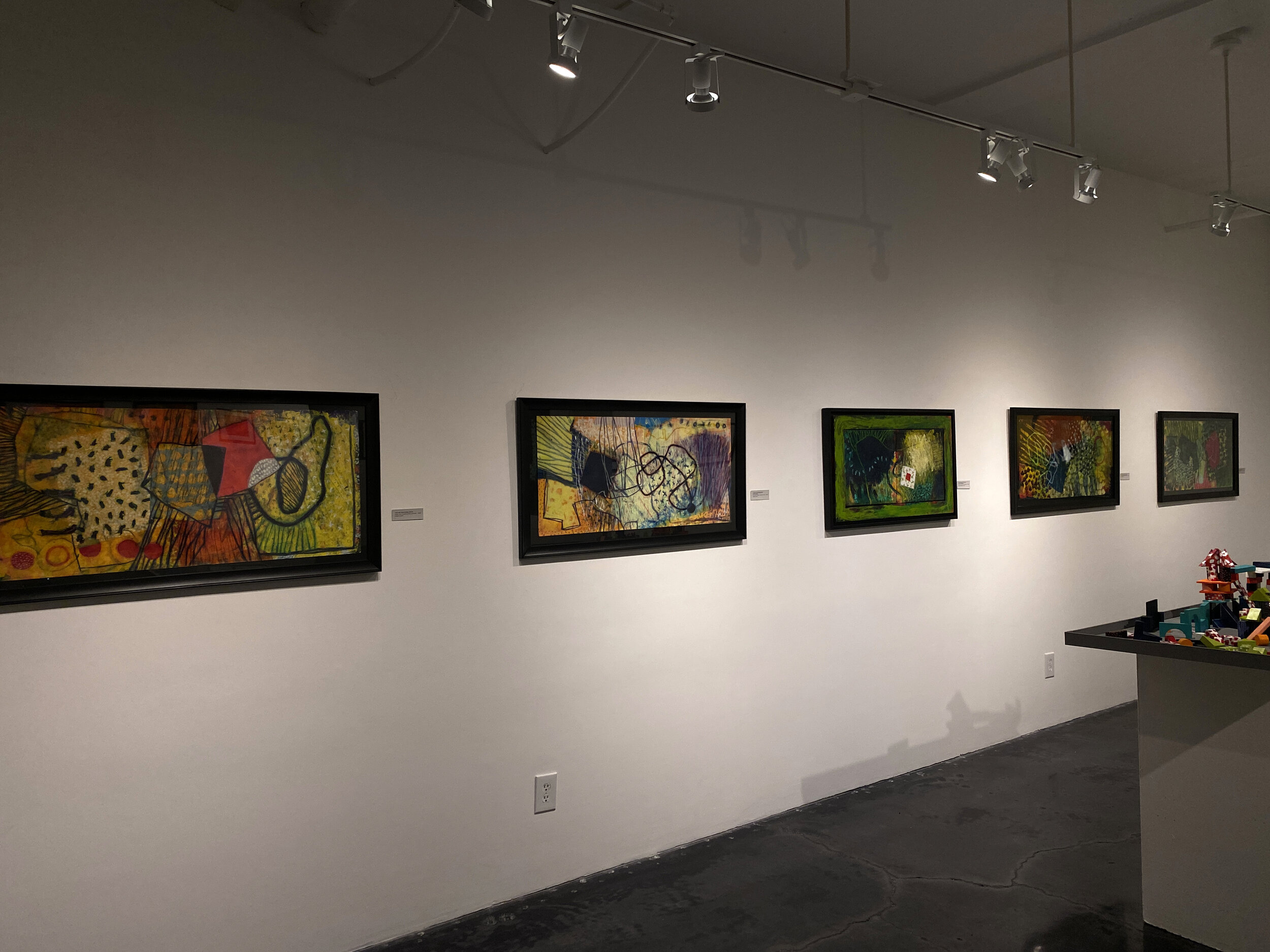
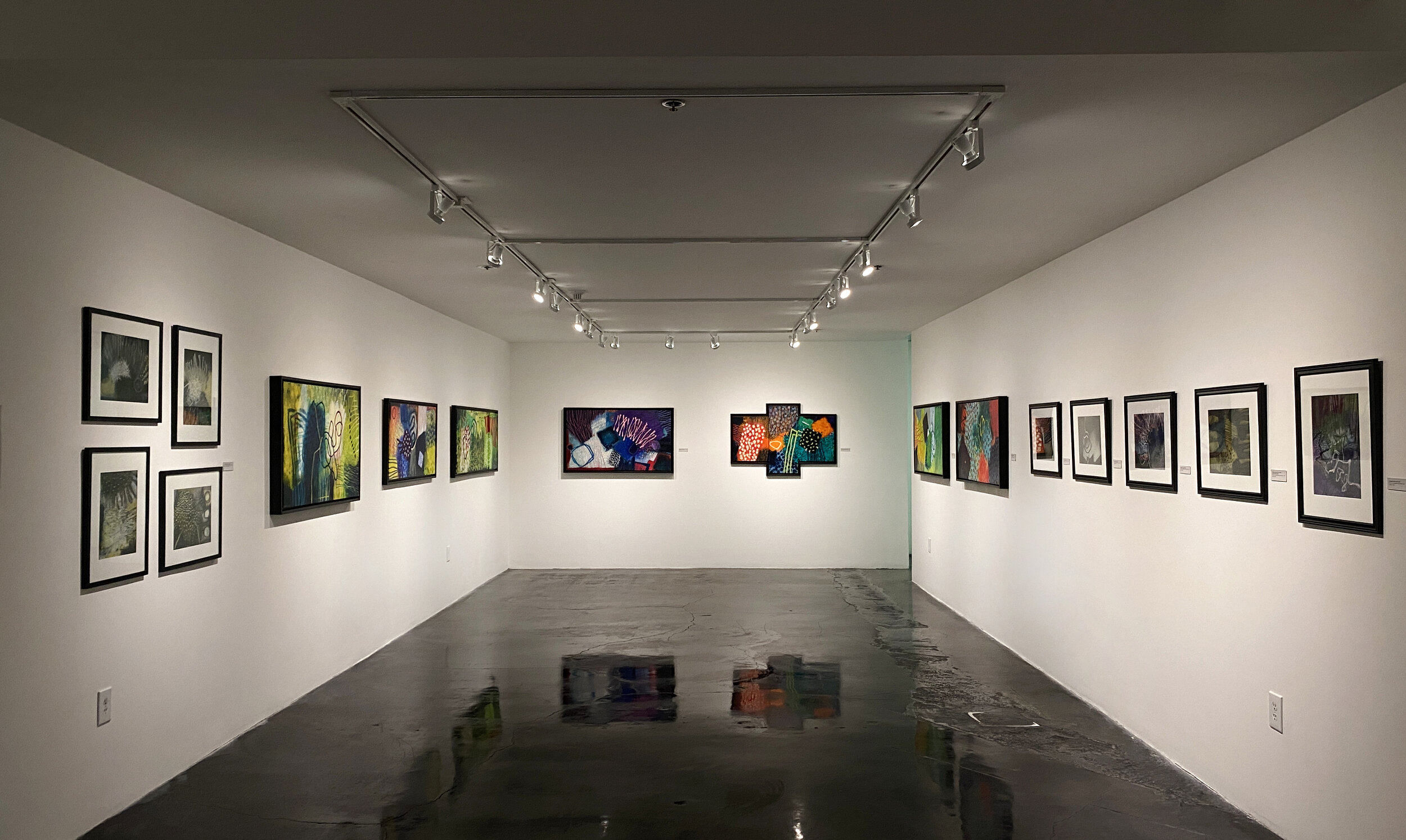
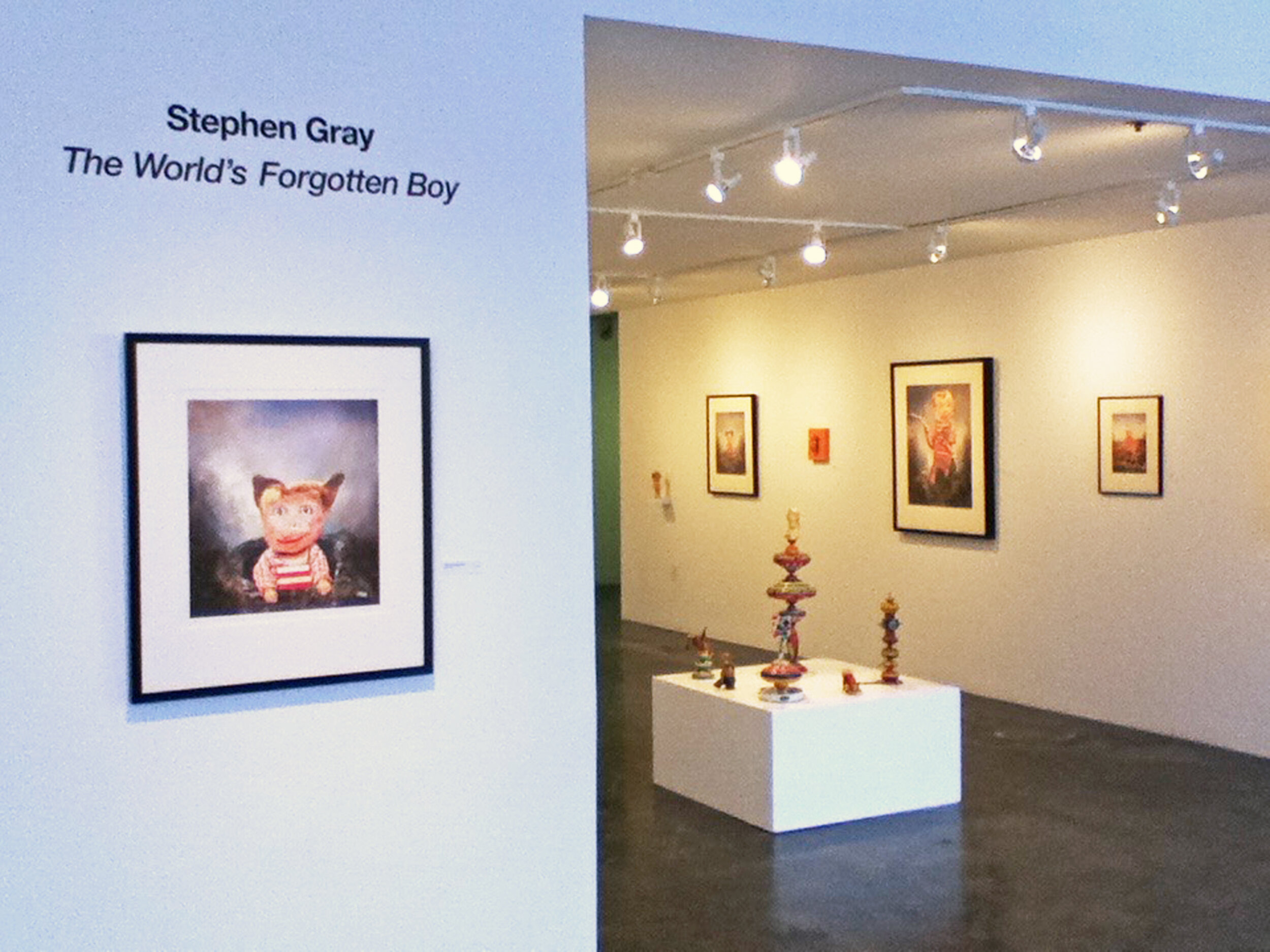
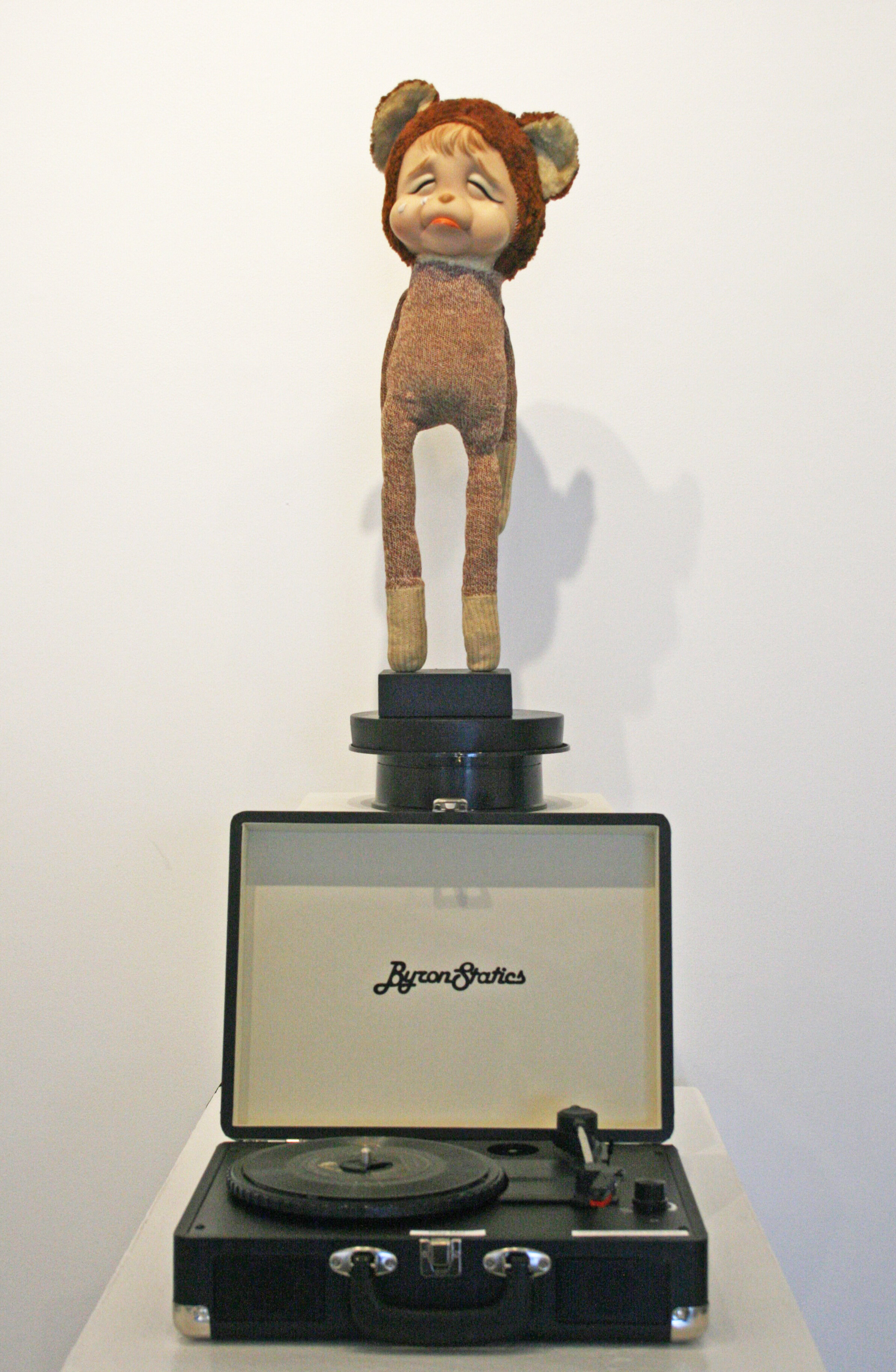
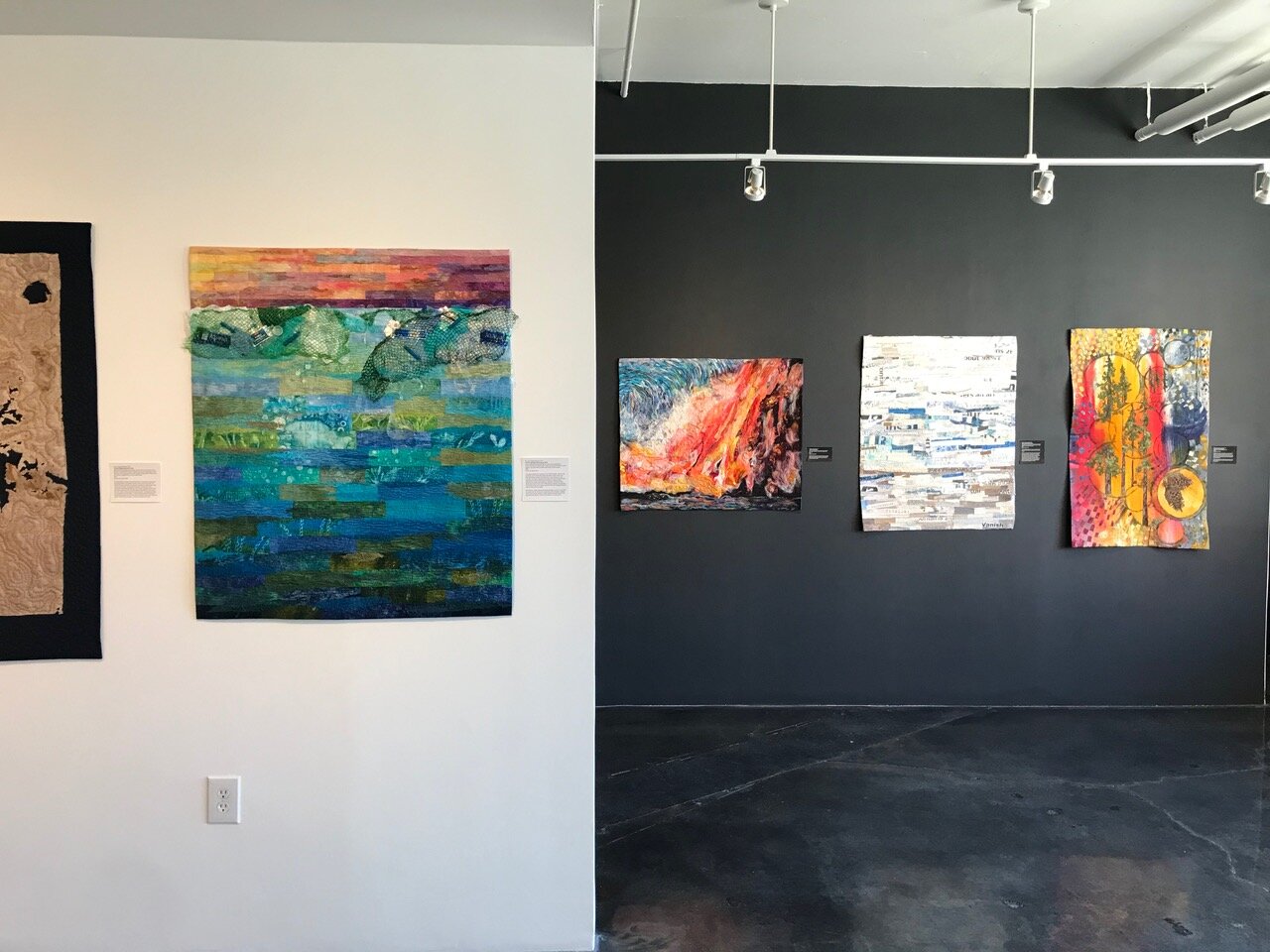
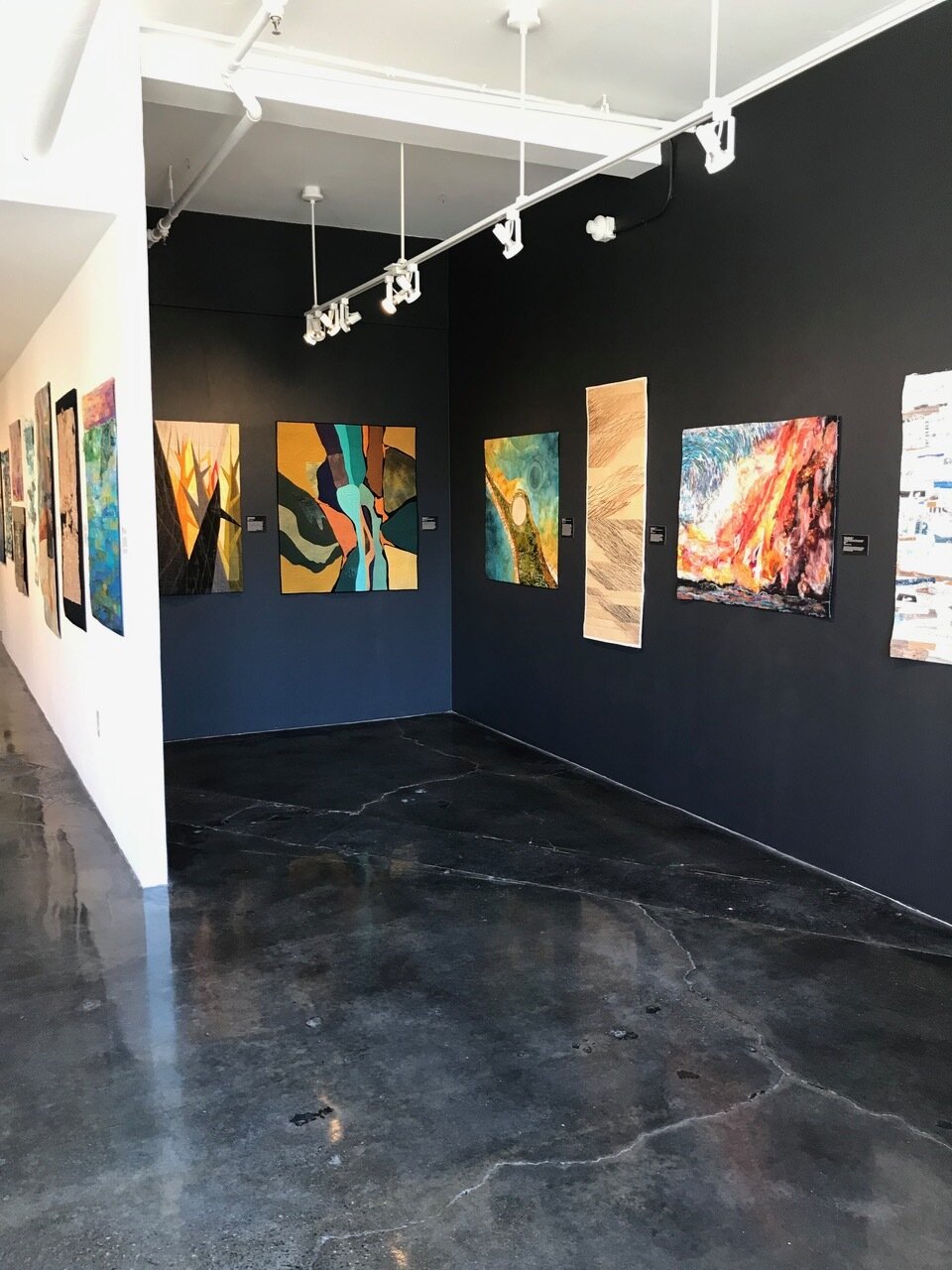
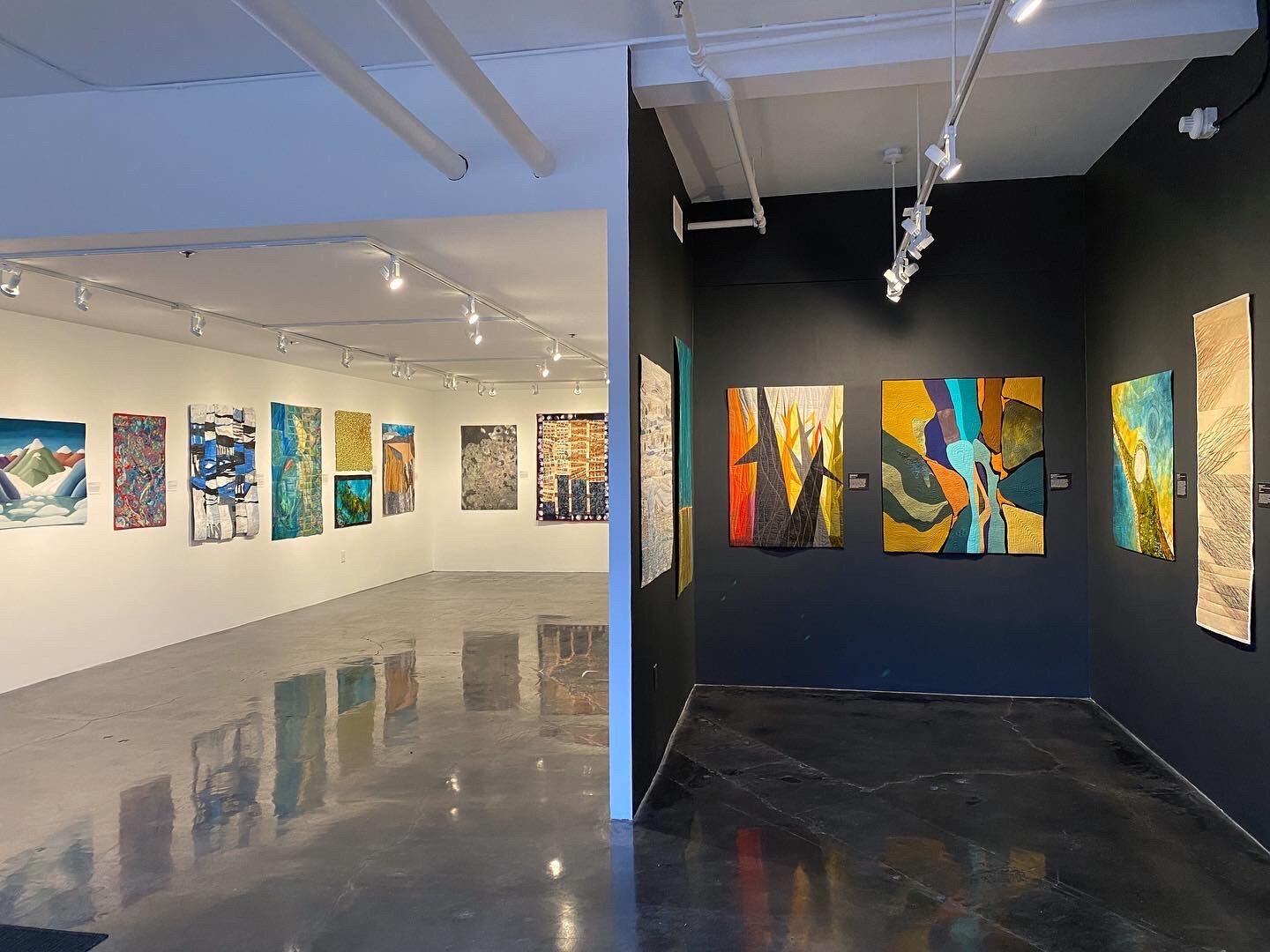
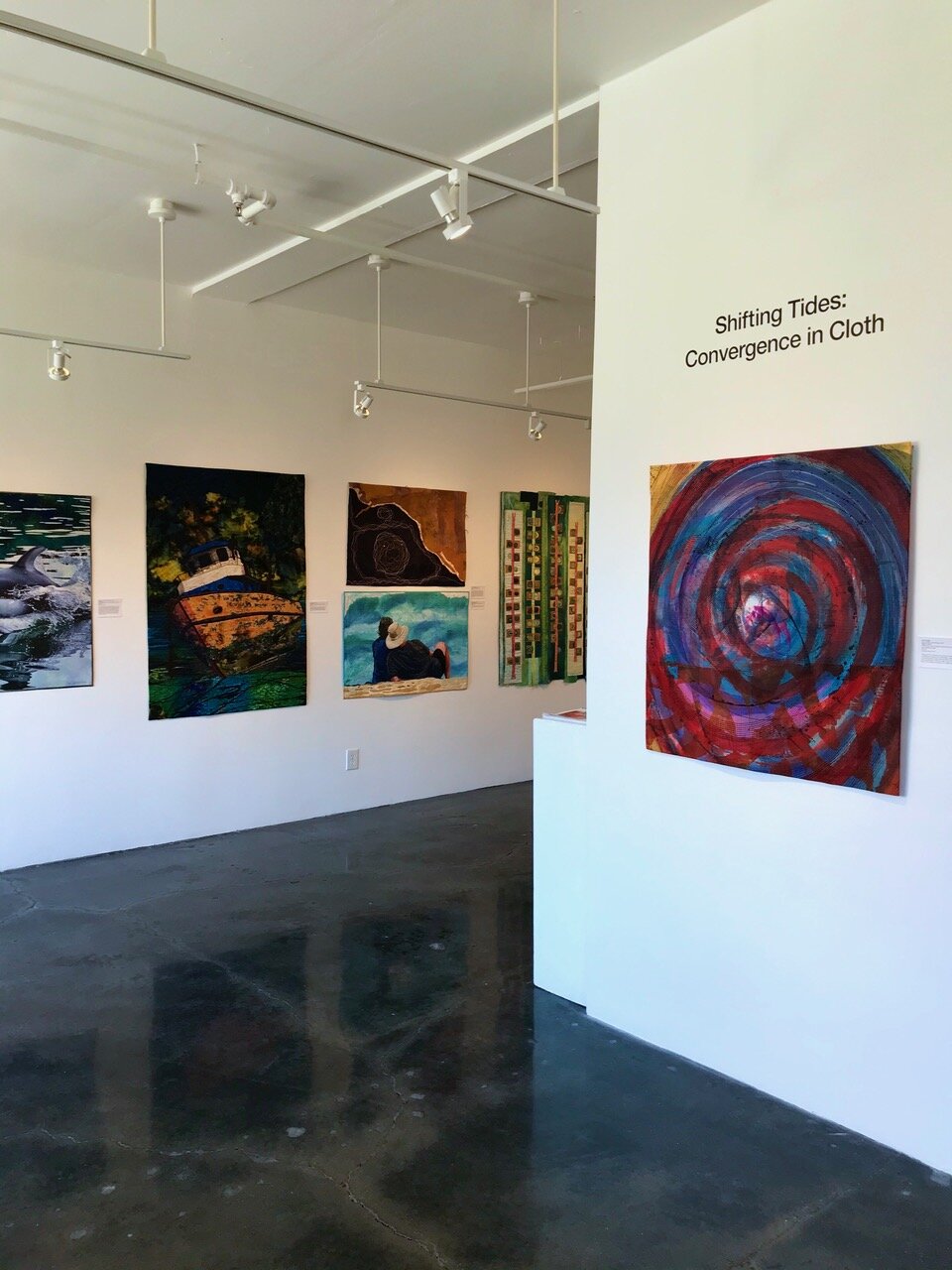
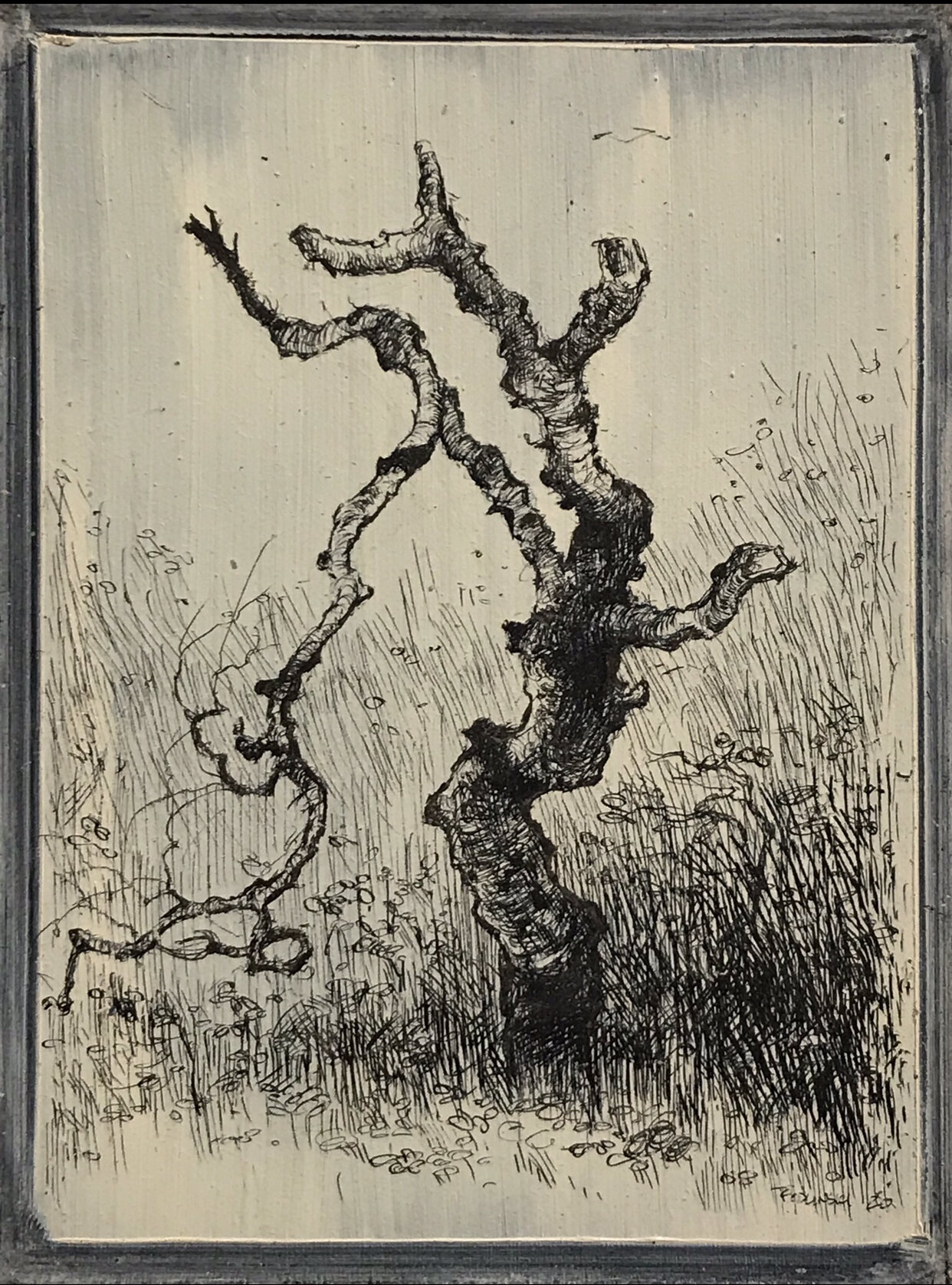
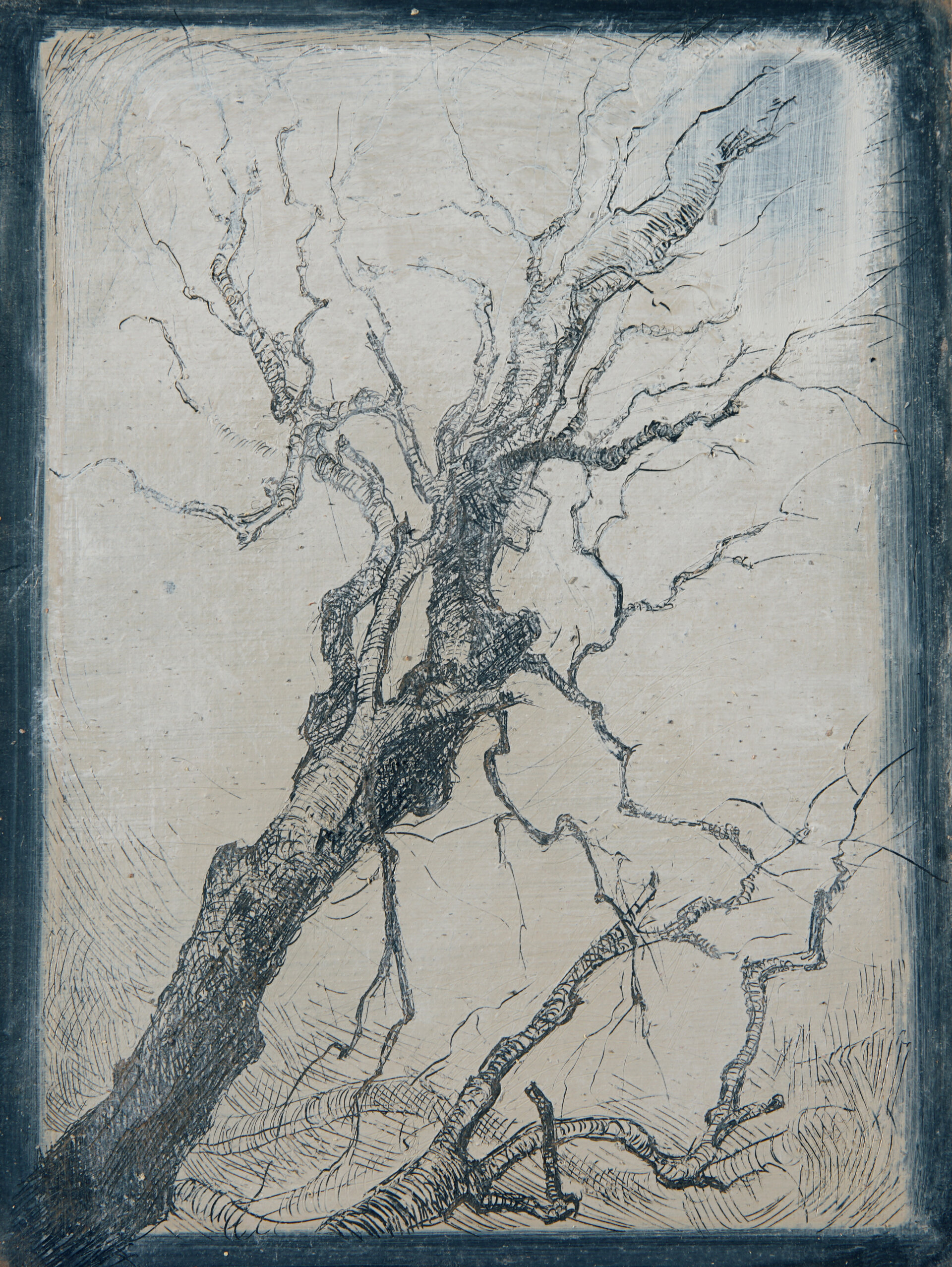
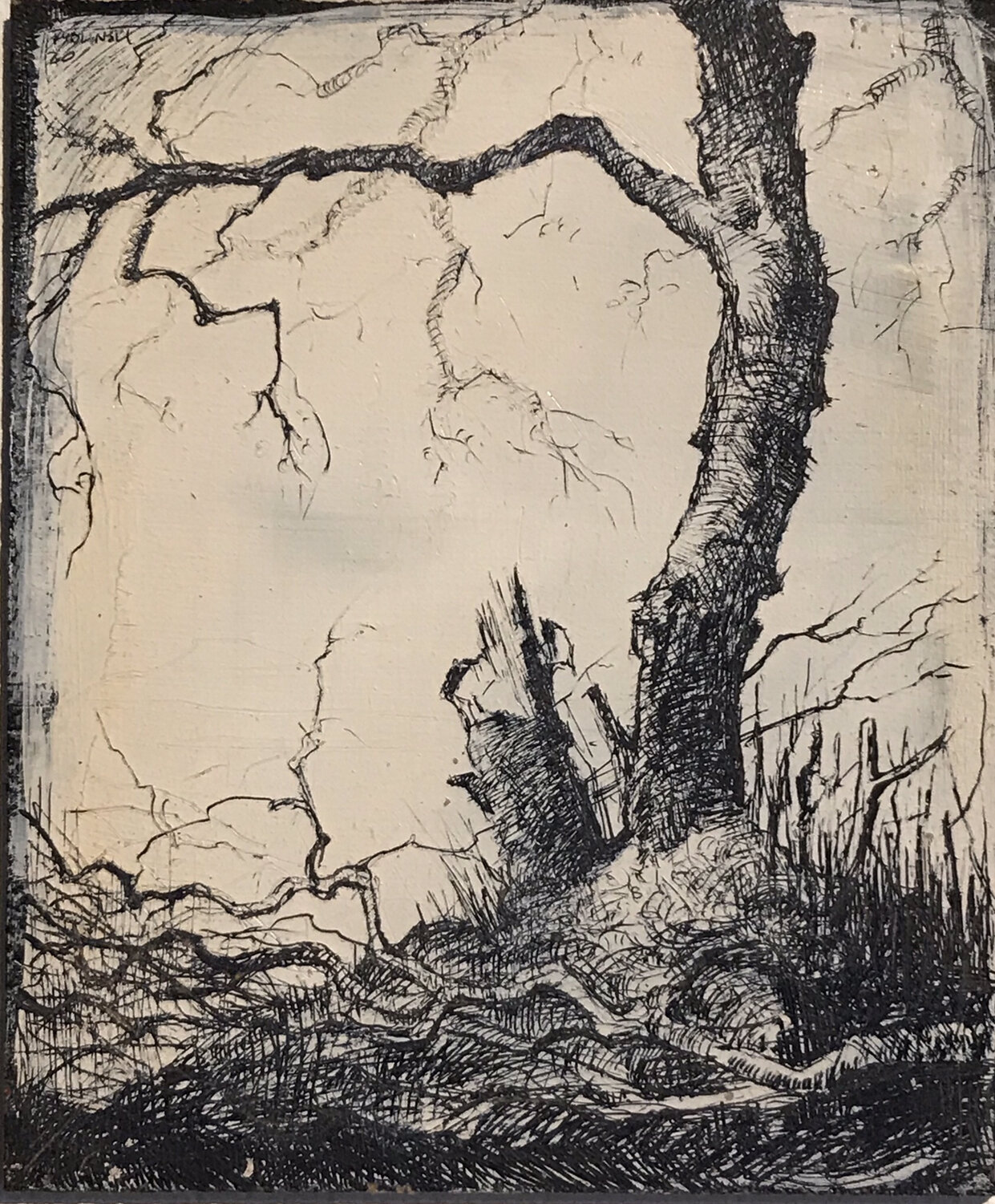
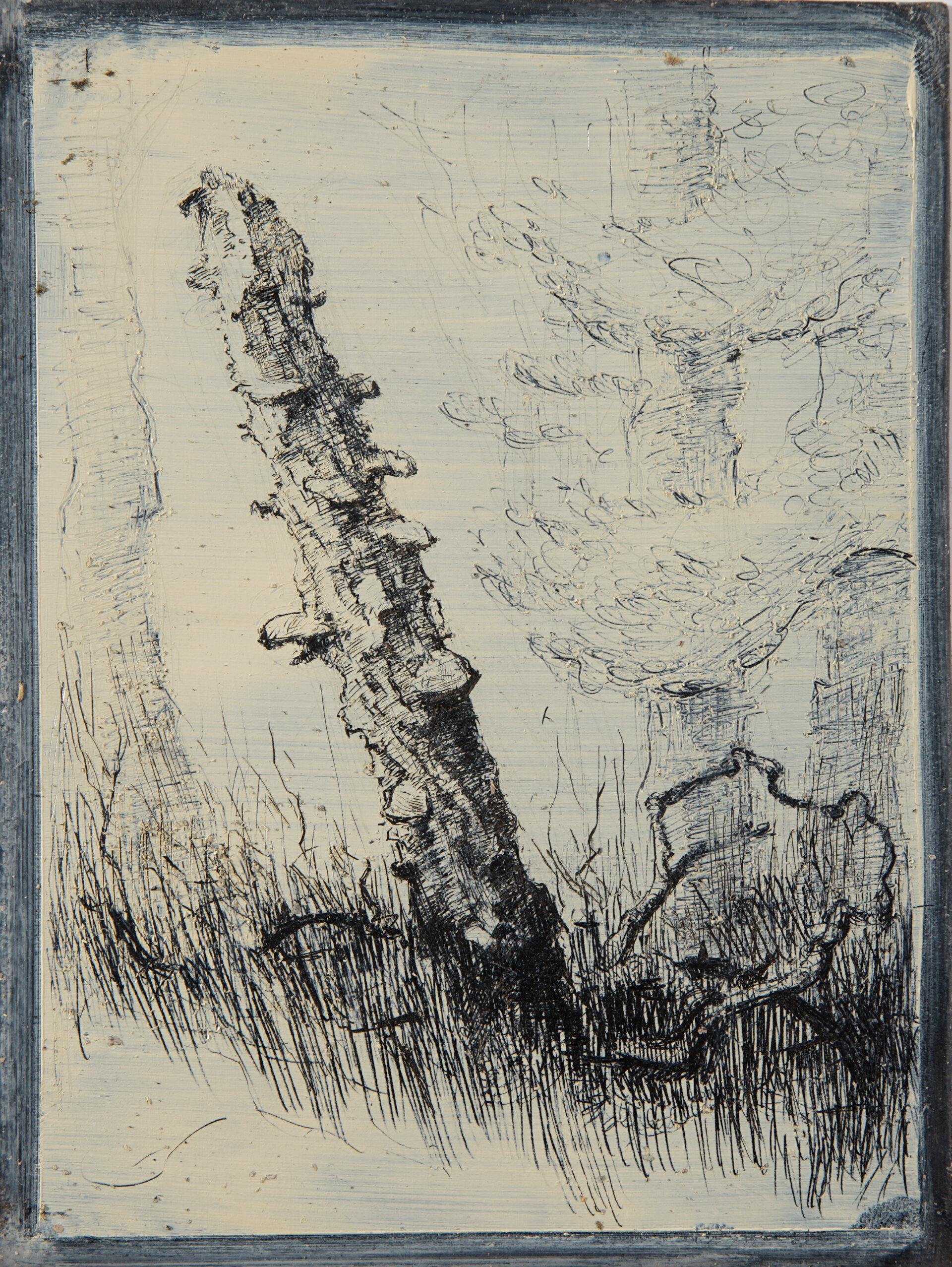
2020 a Year in Review and Looking Forward to 2021

In any normal year it feels important to look back in the rearview mirror, but when it comes to 2020 it is feels even more important.

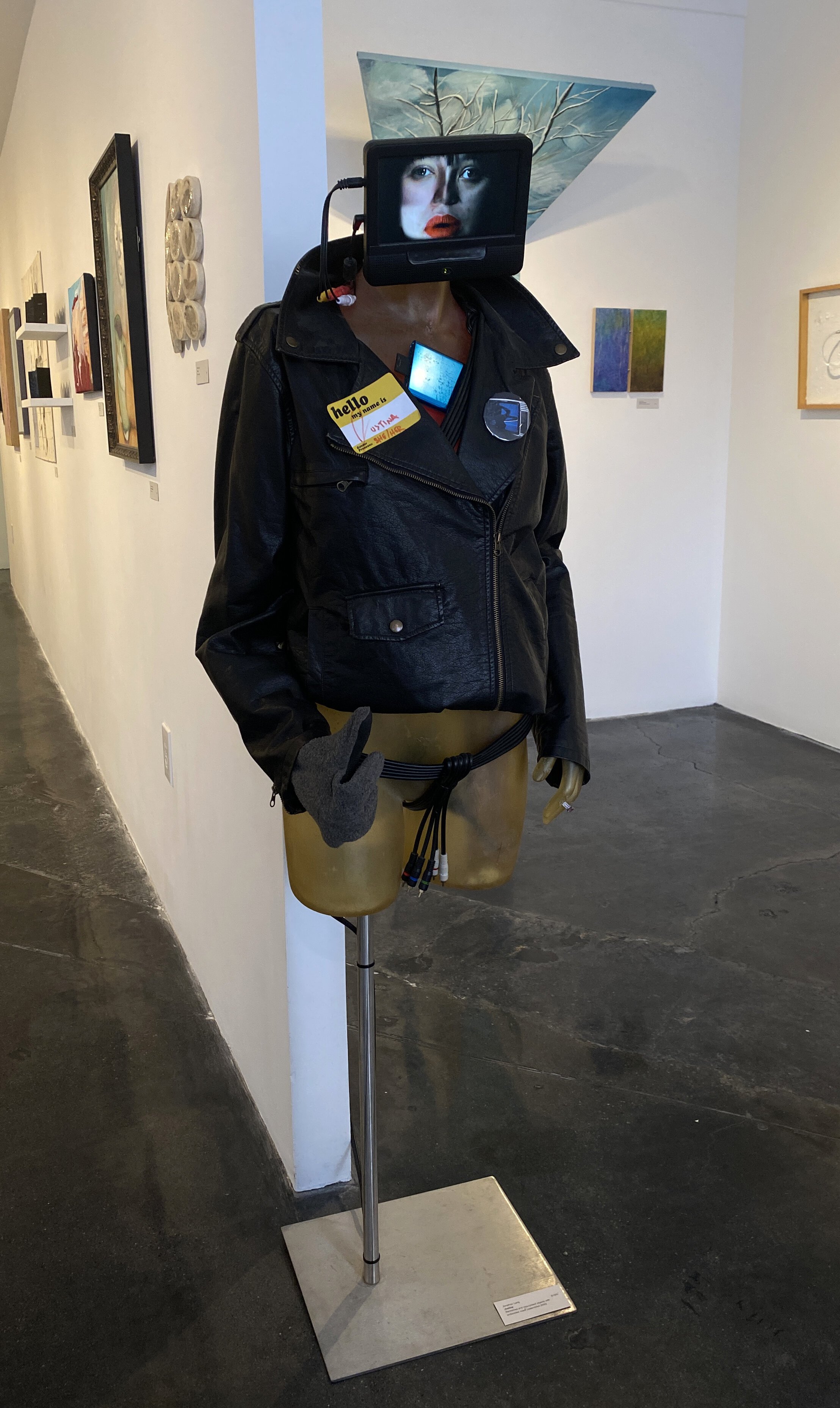
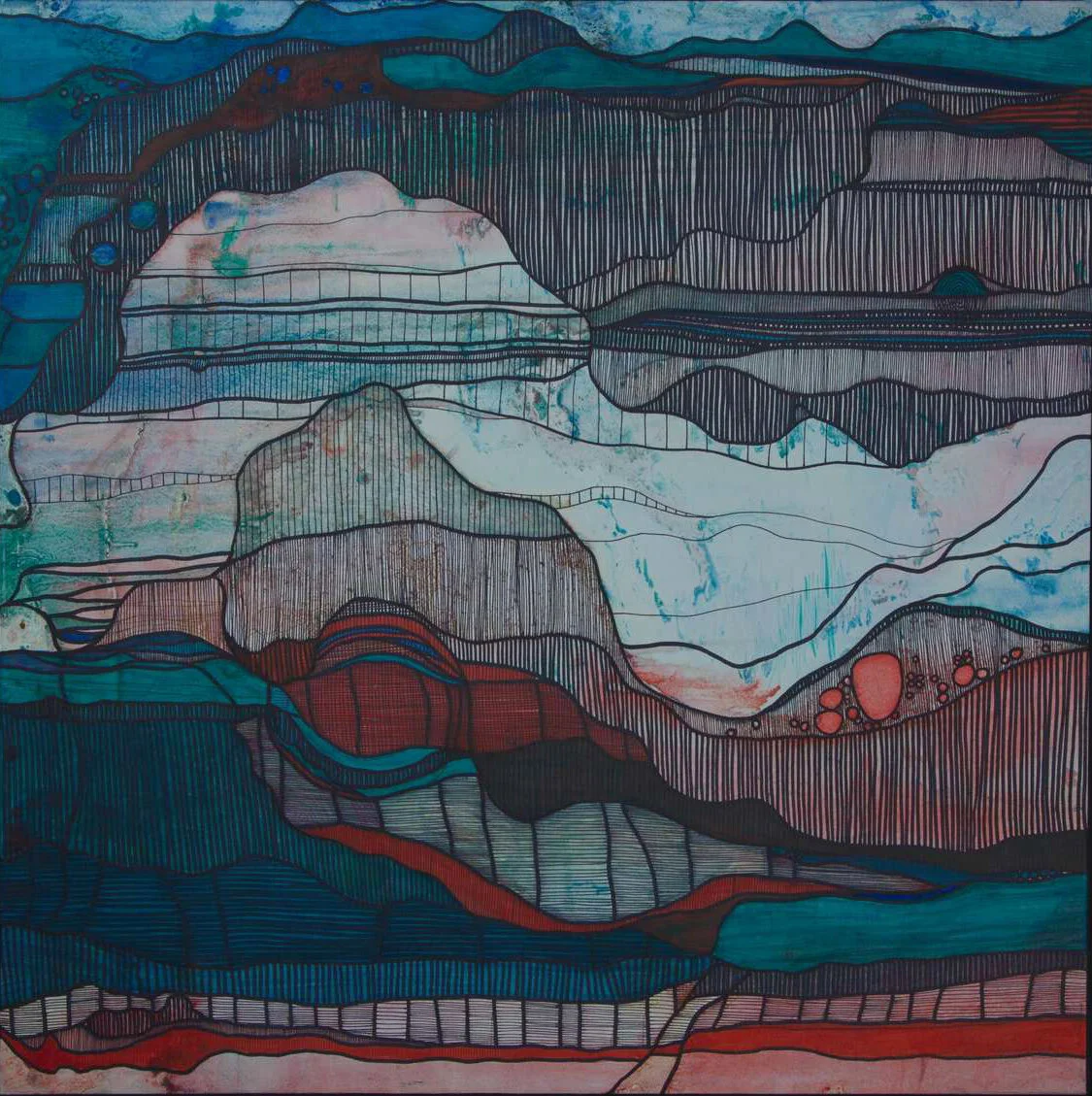
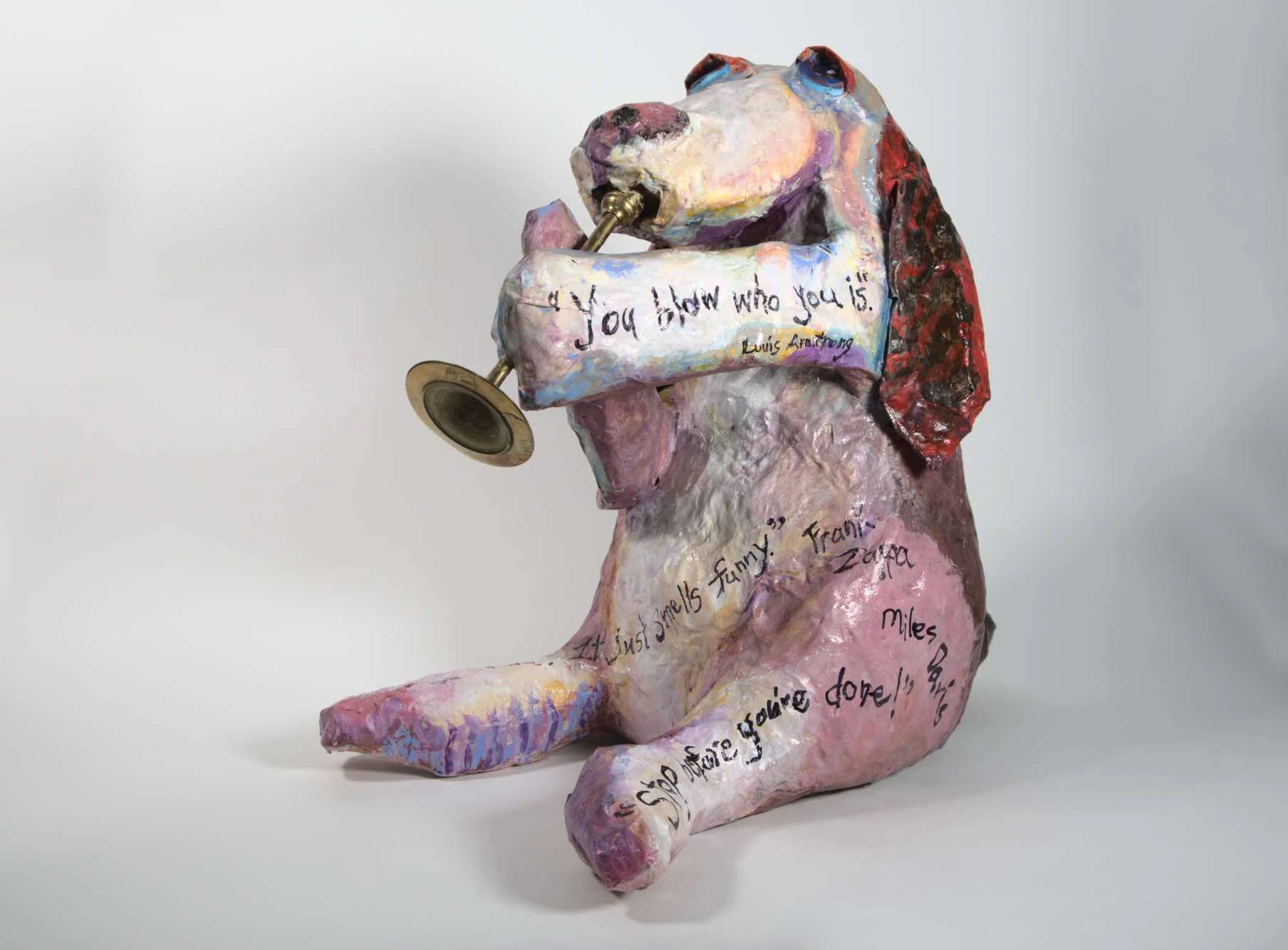
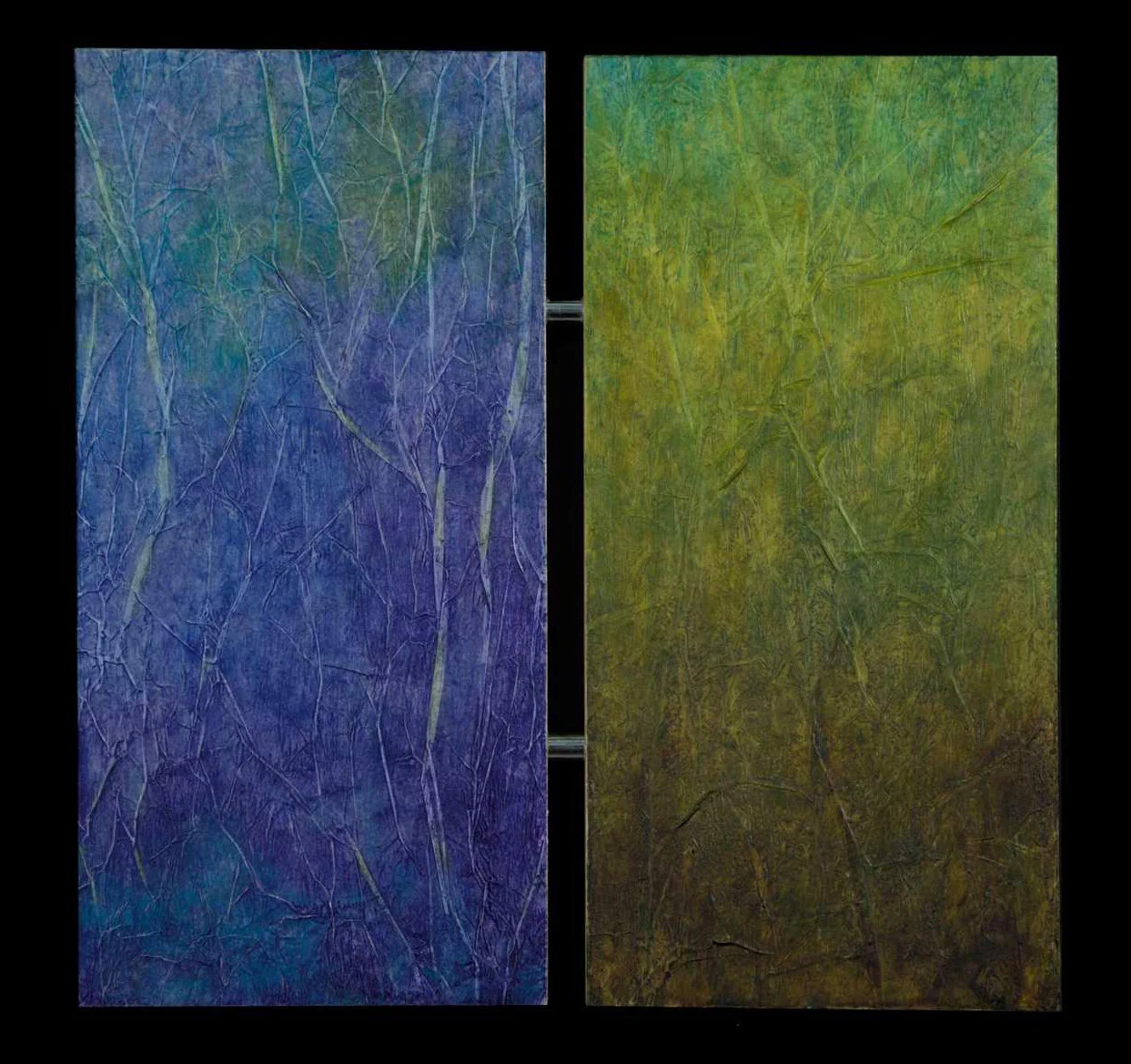
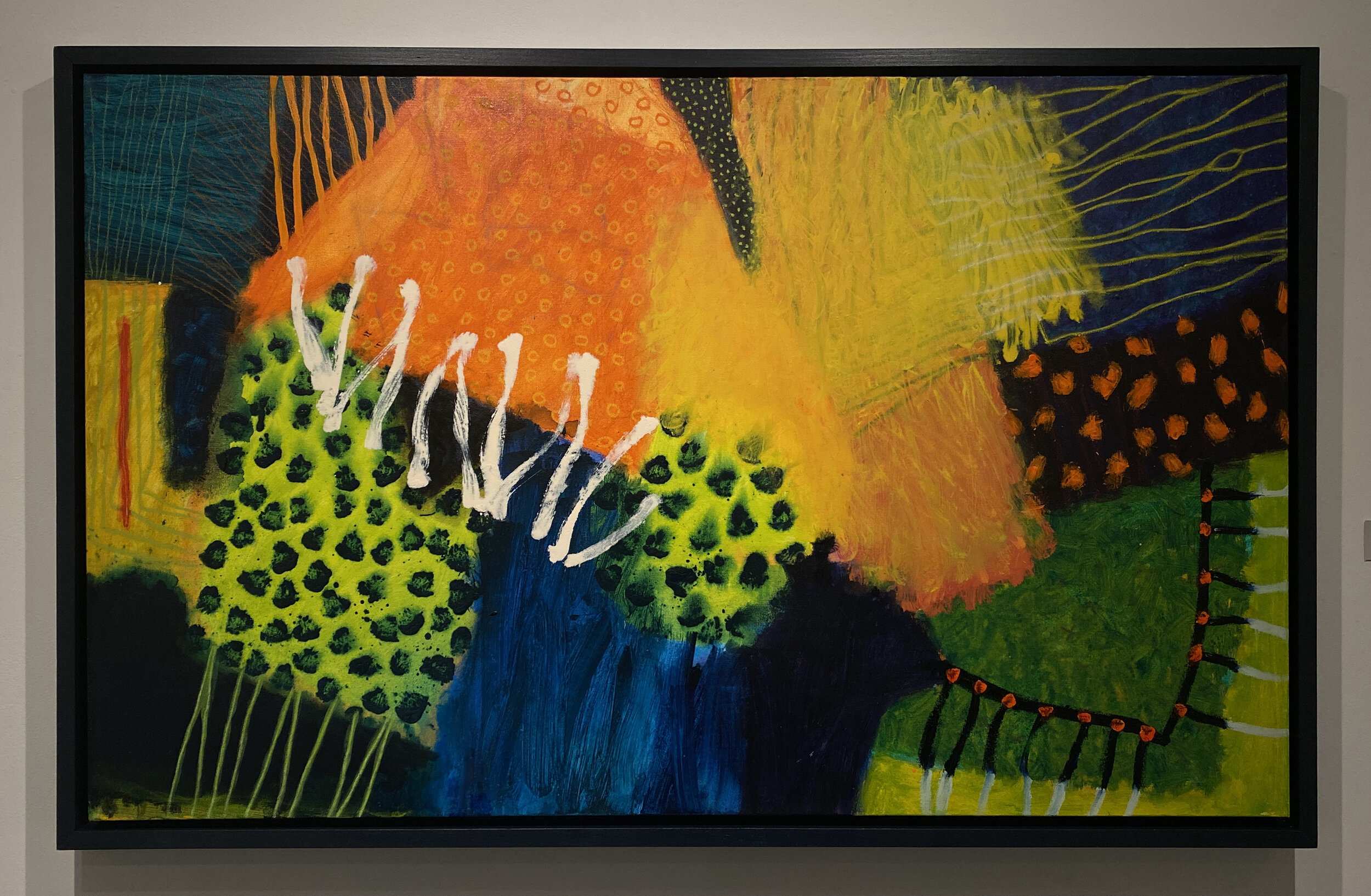
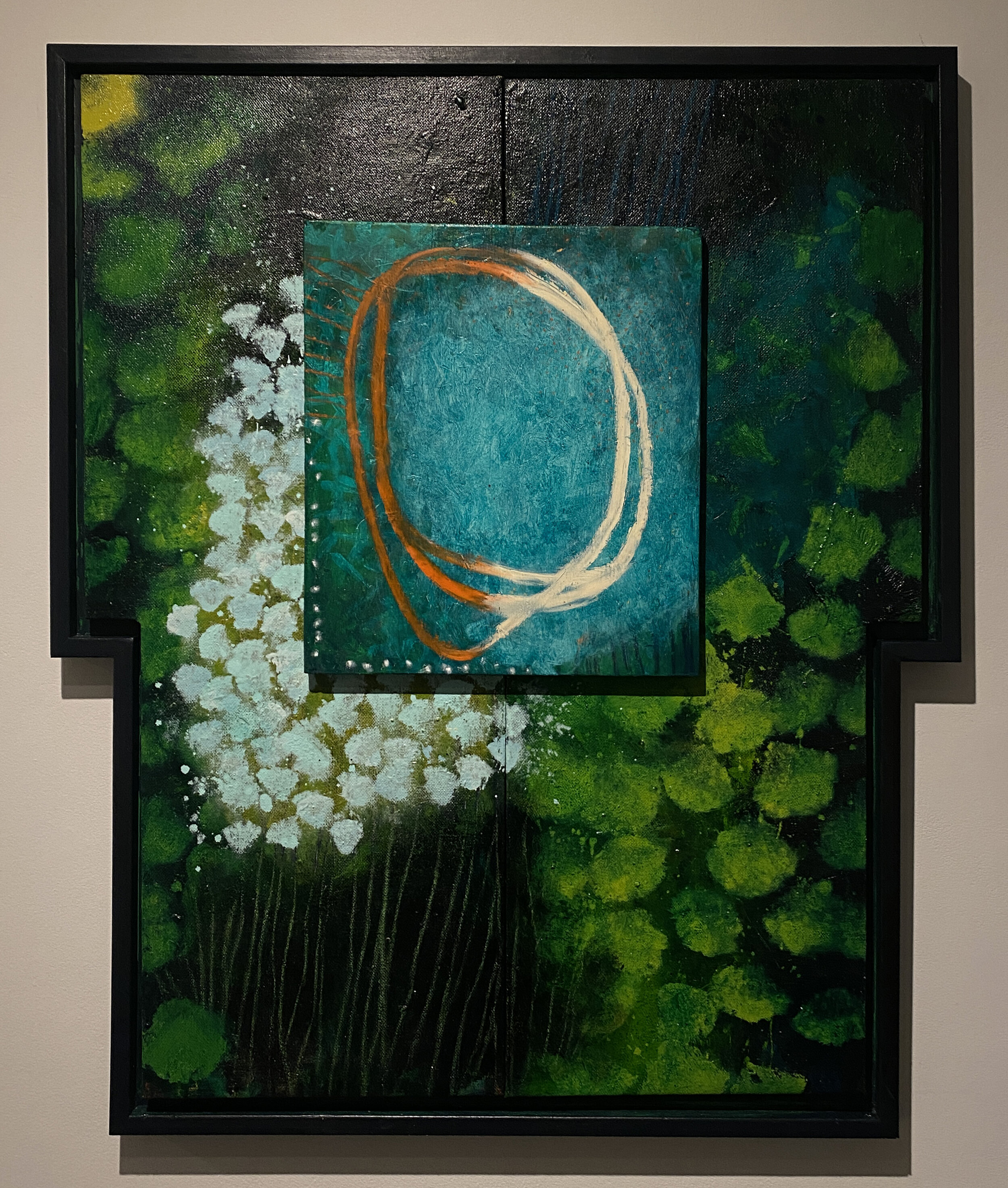
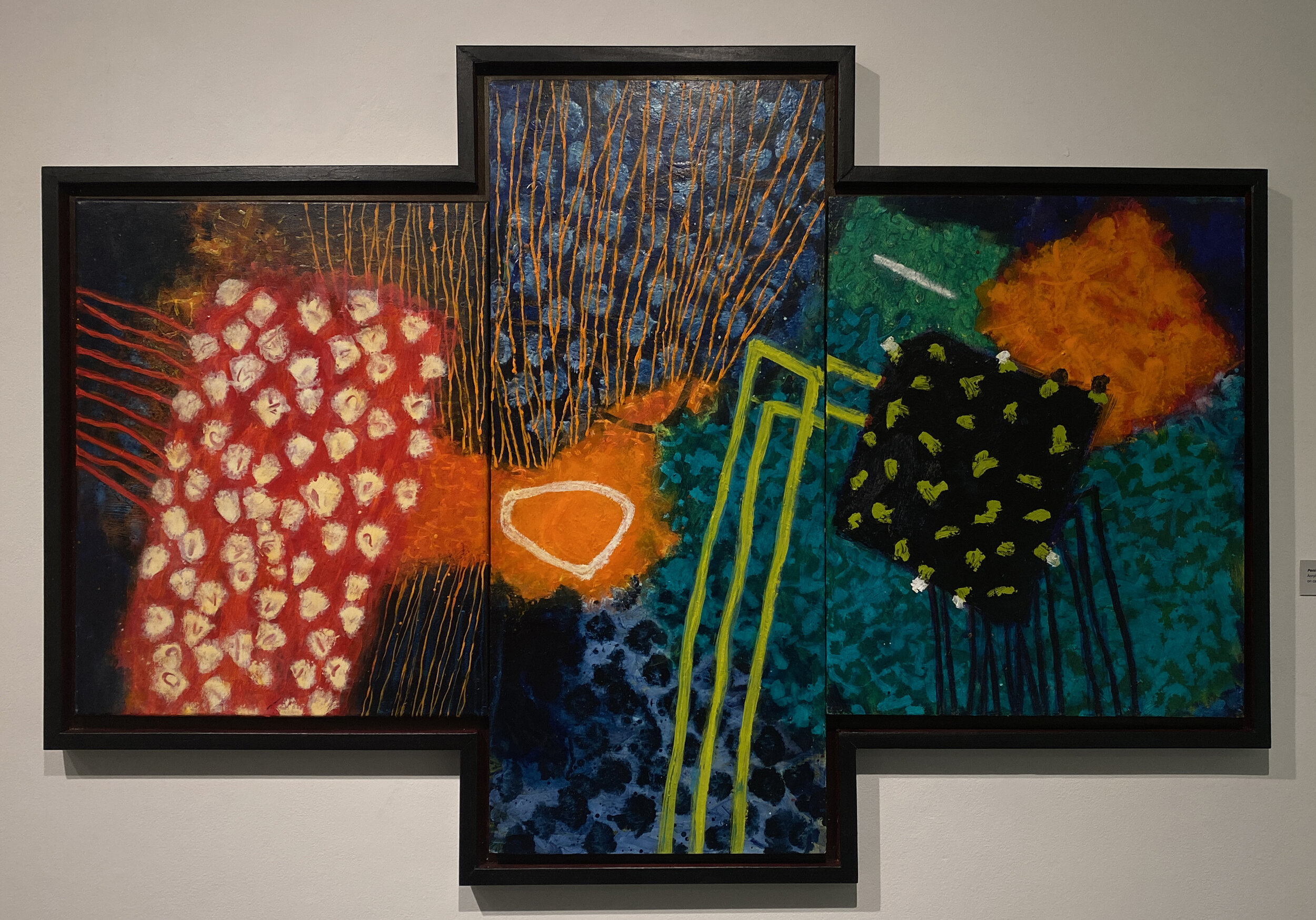
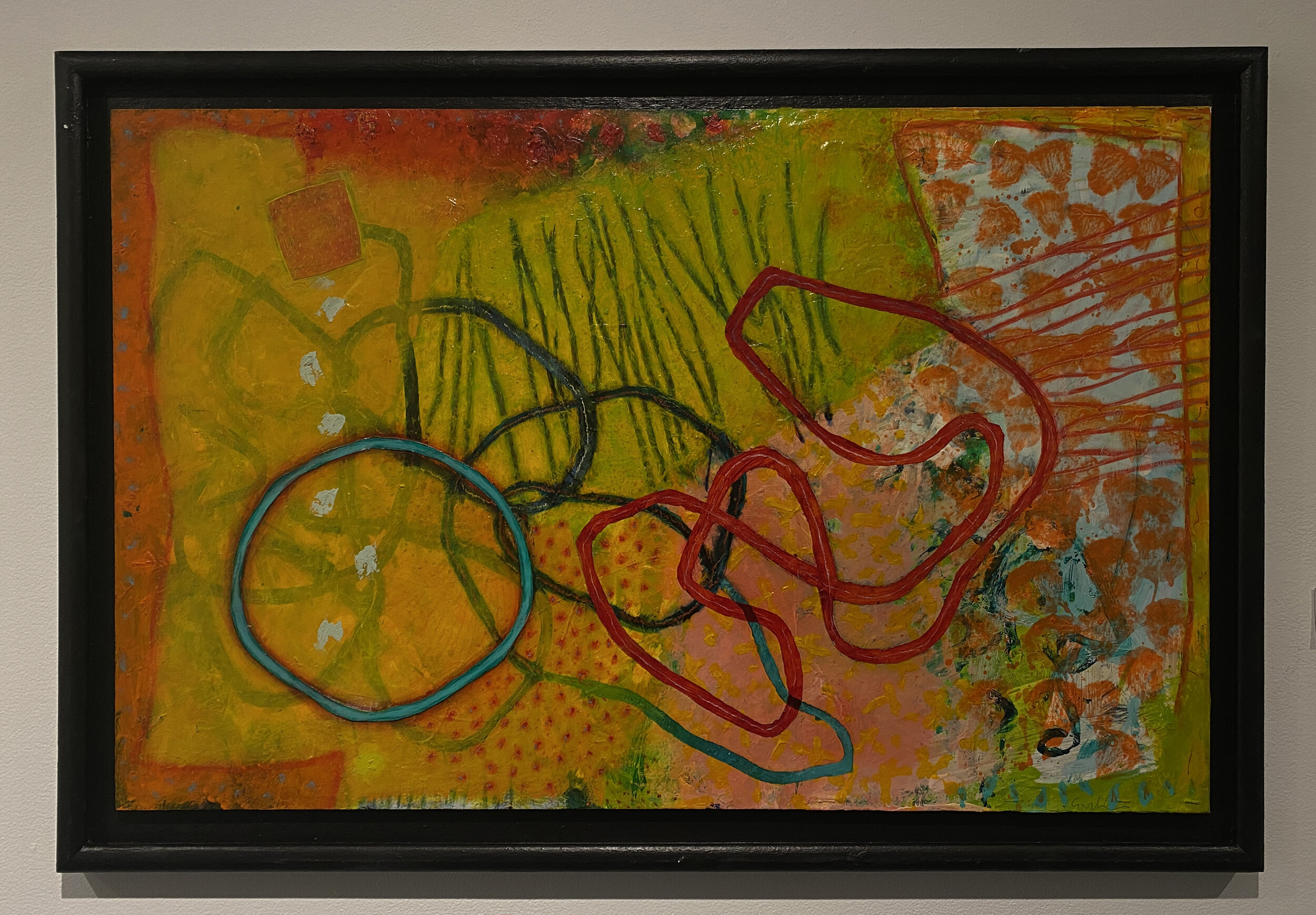
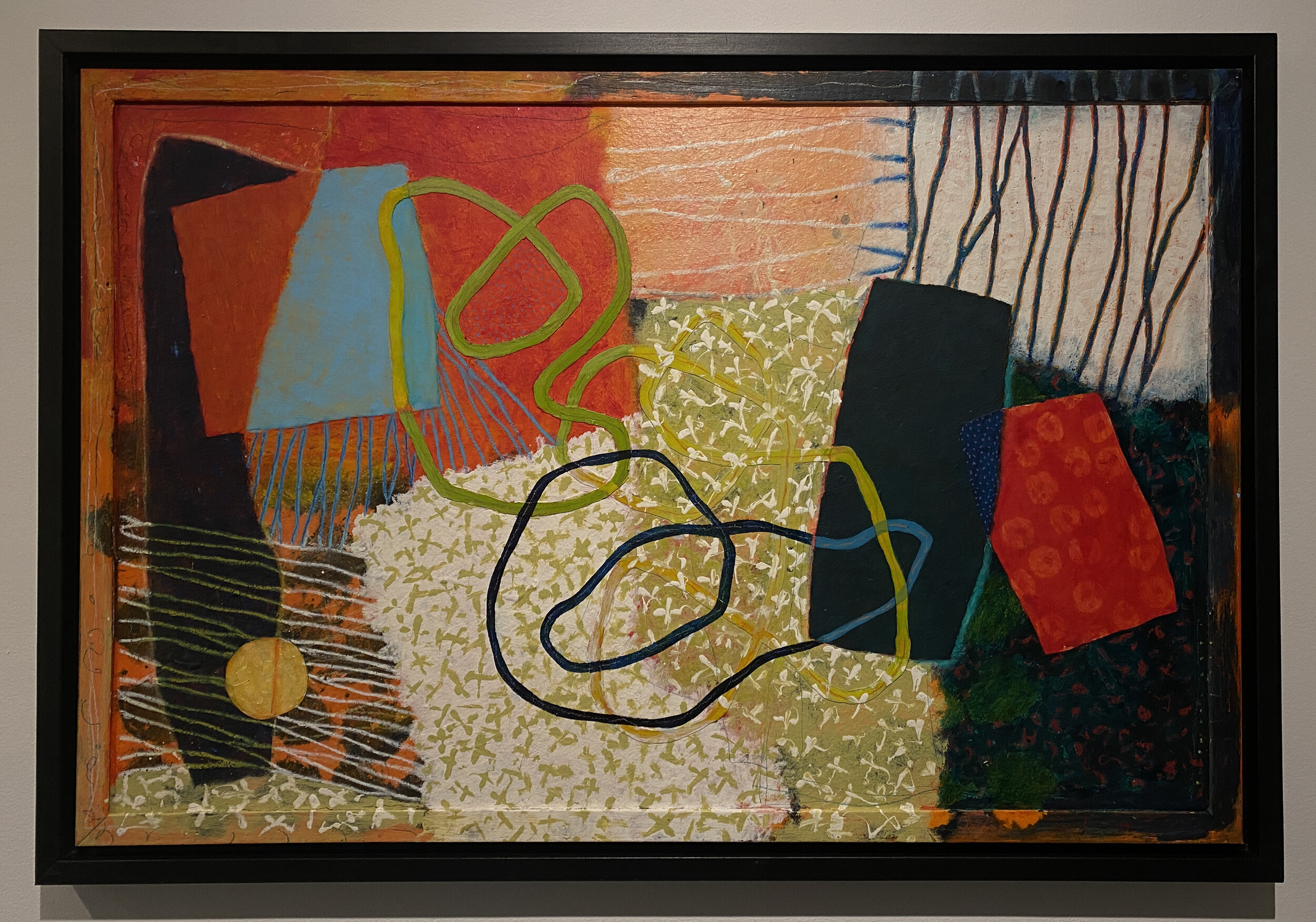
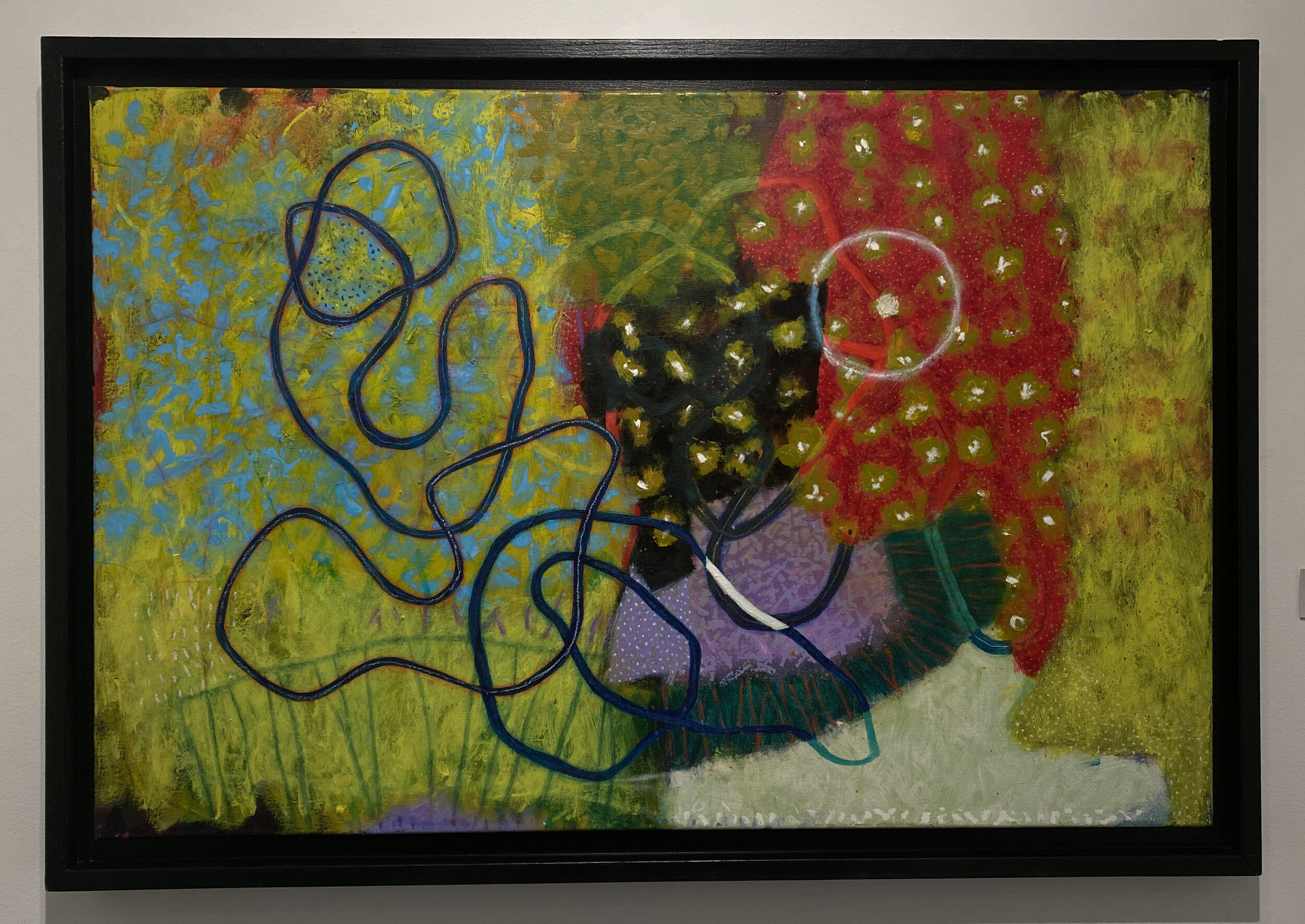
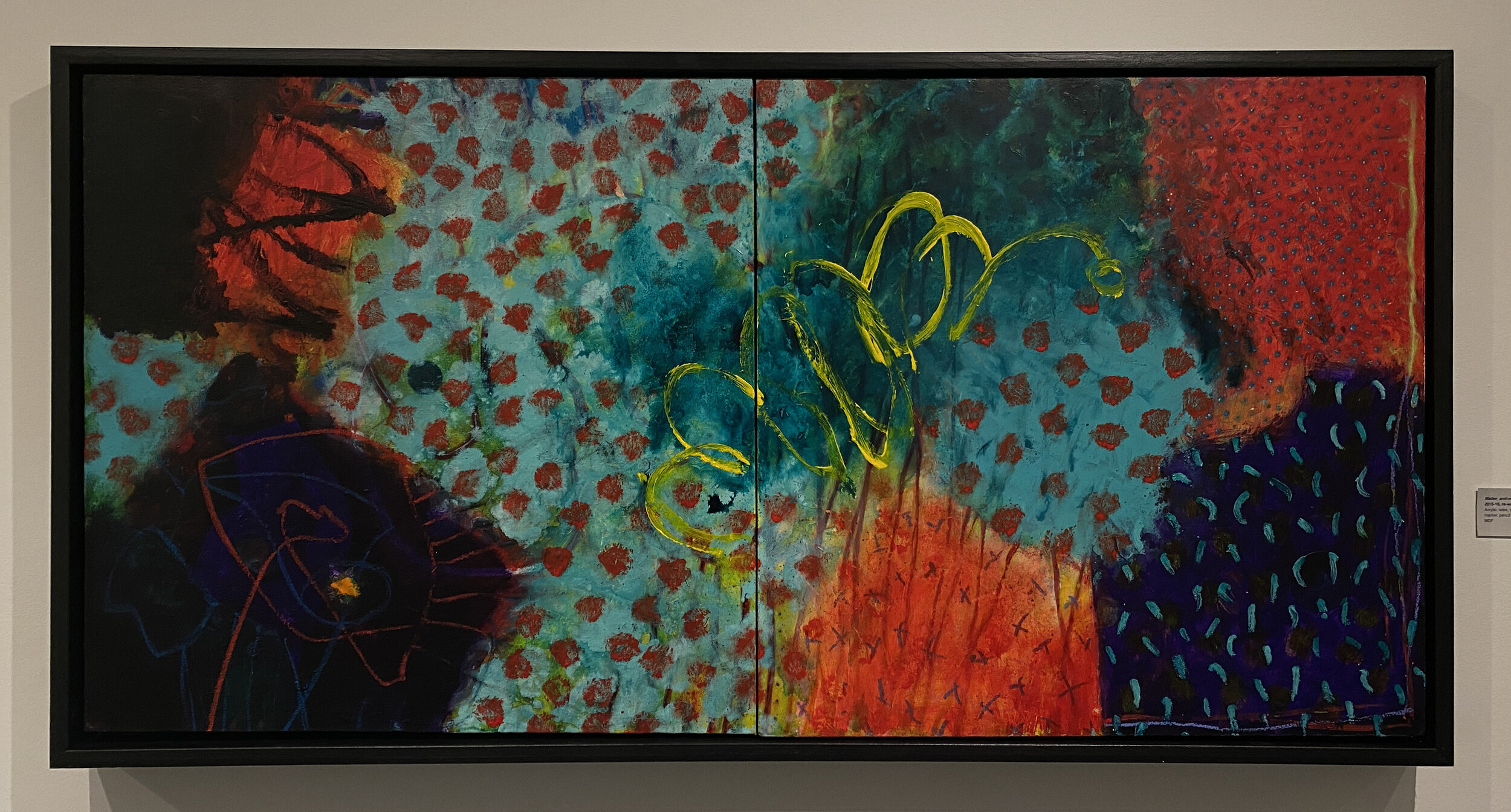
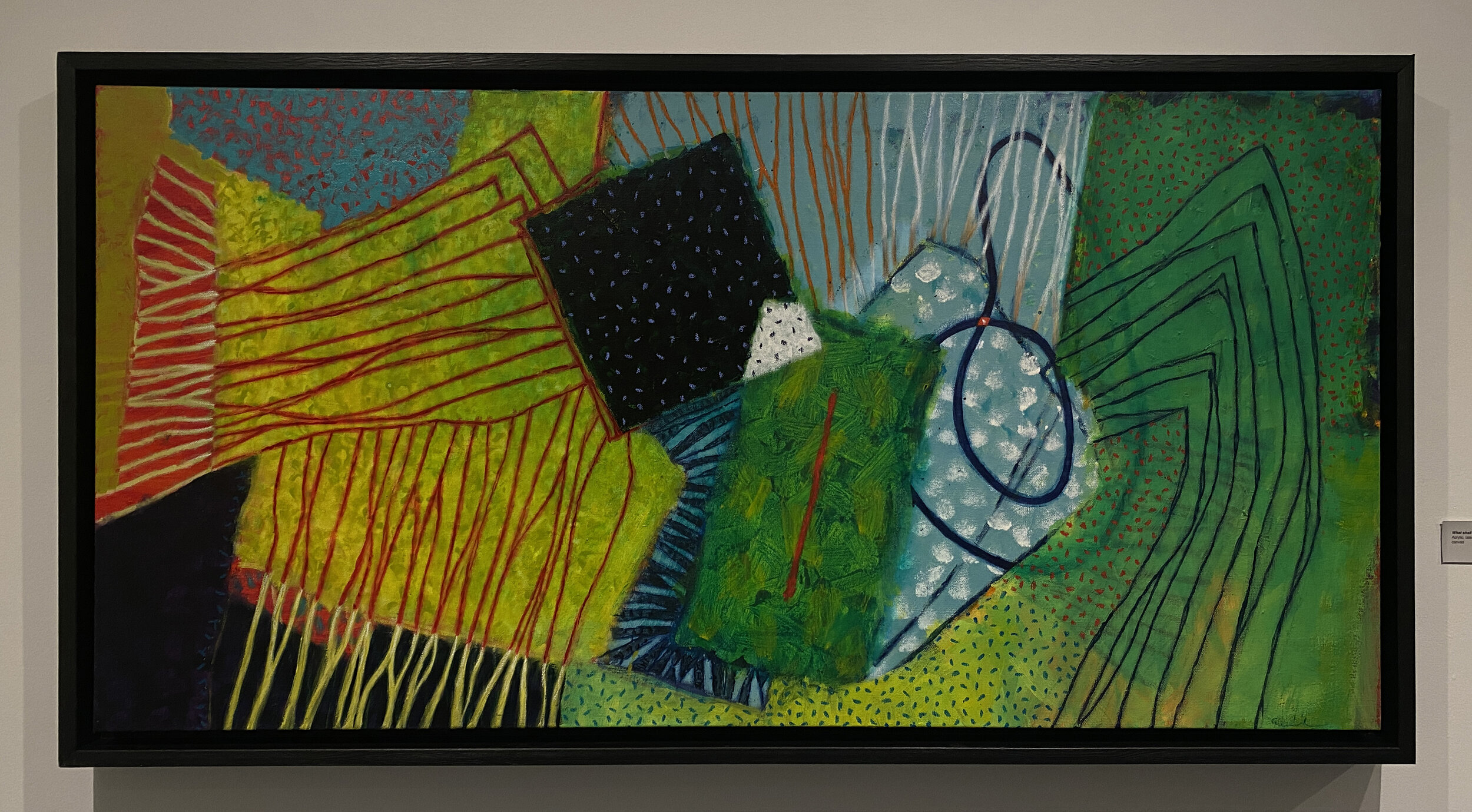
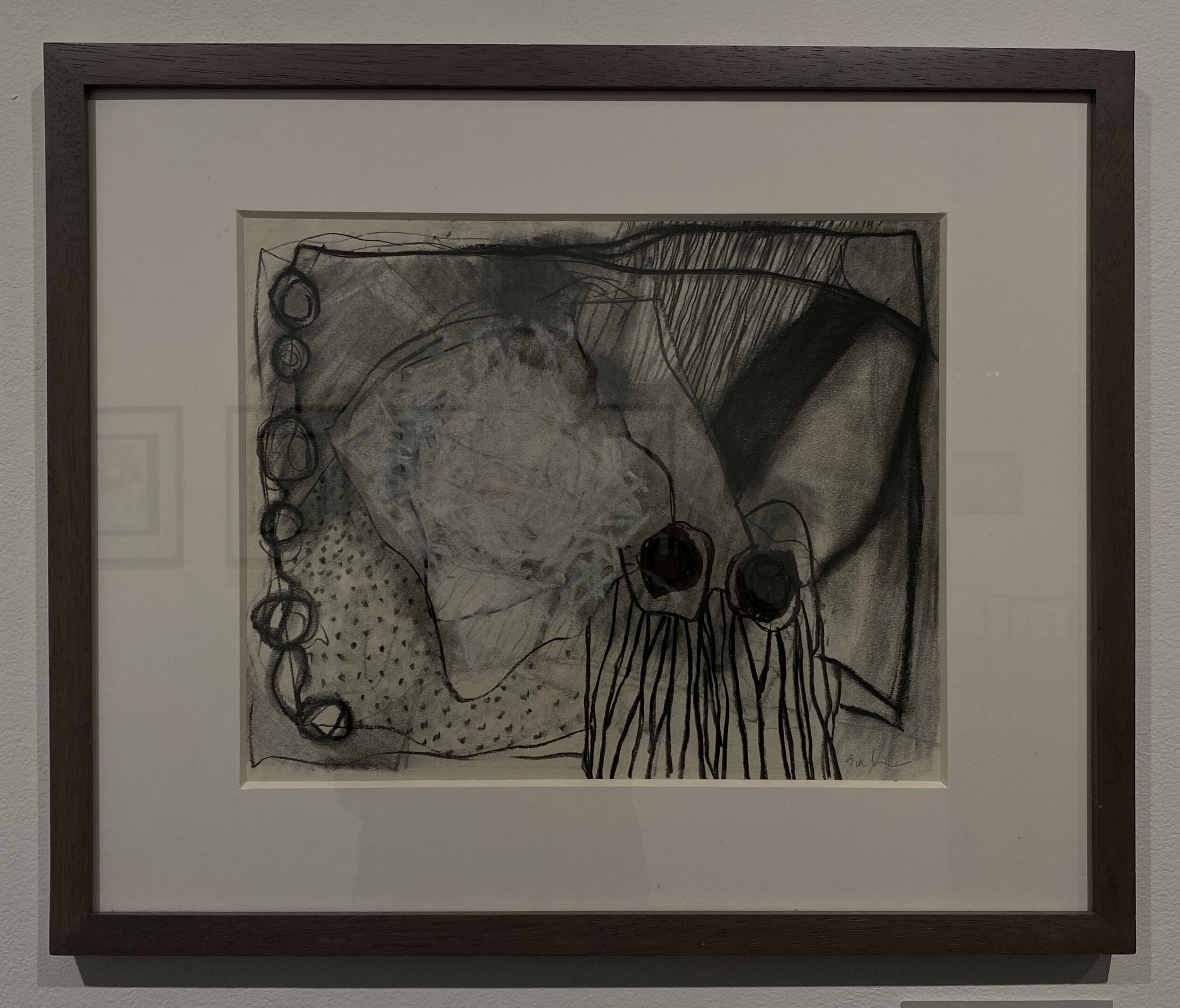
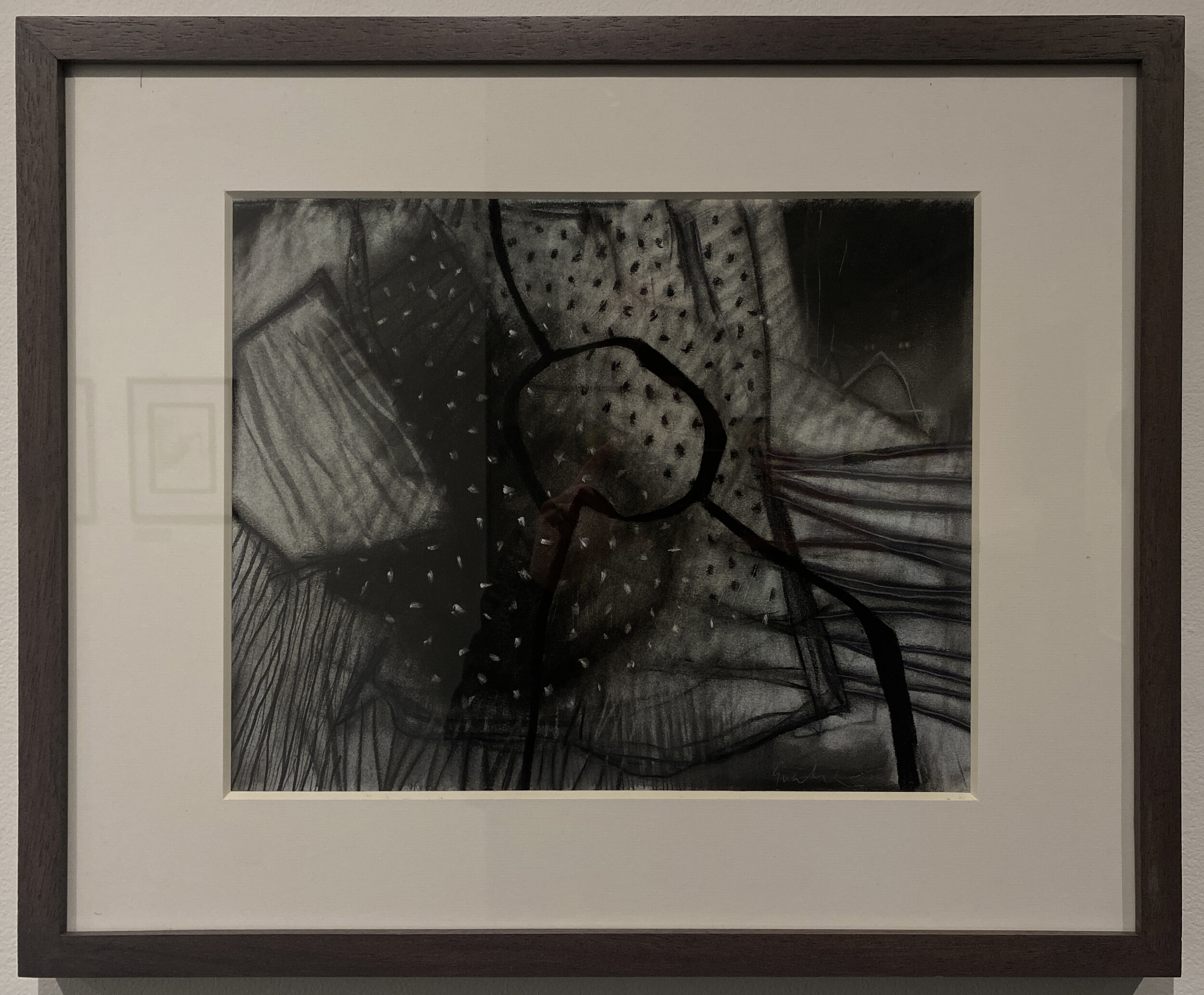
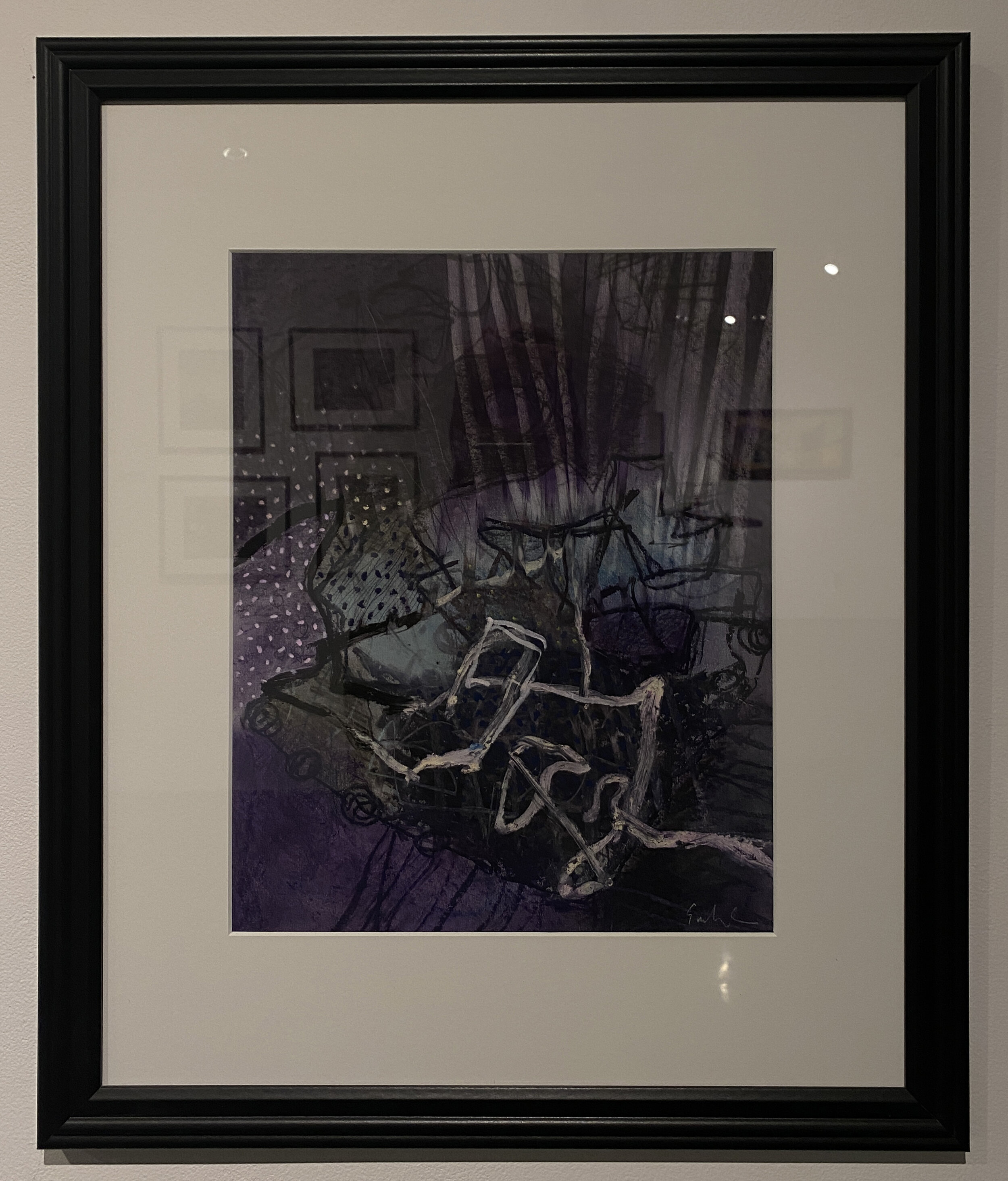
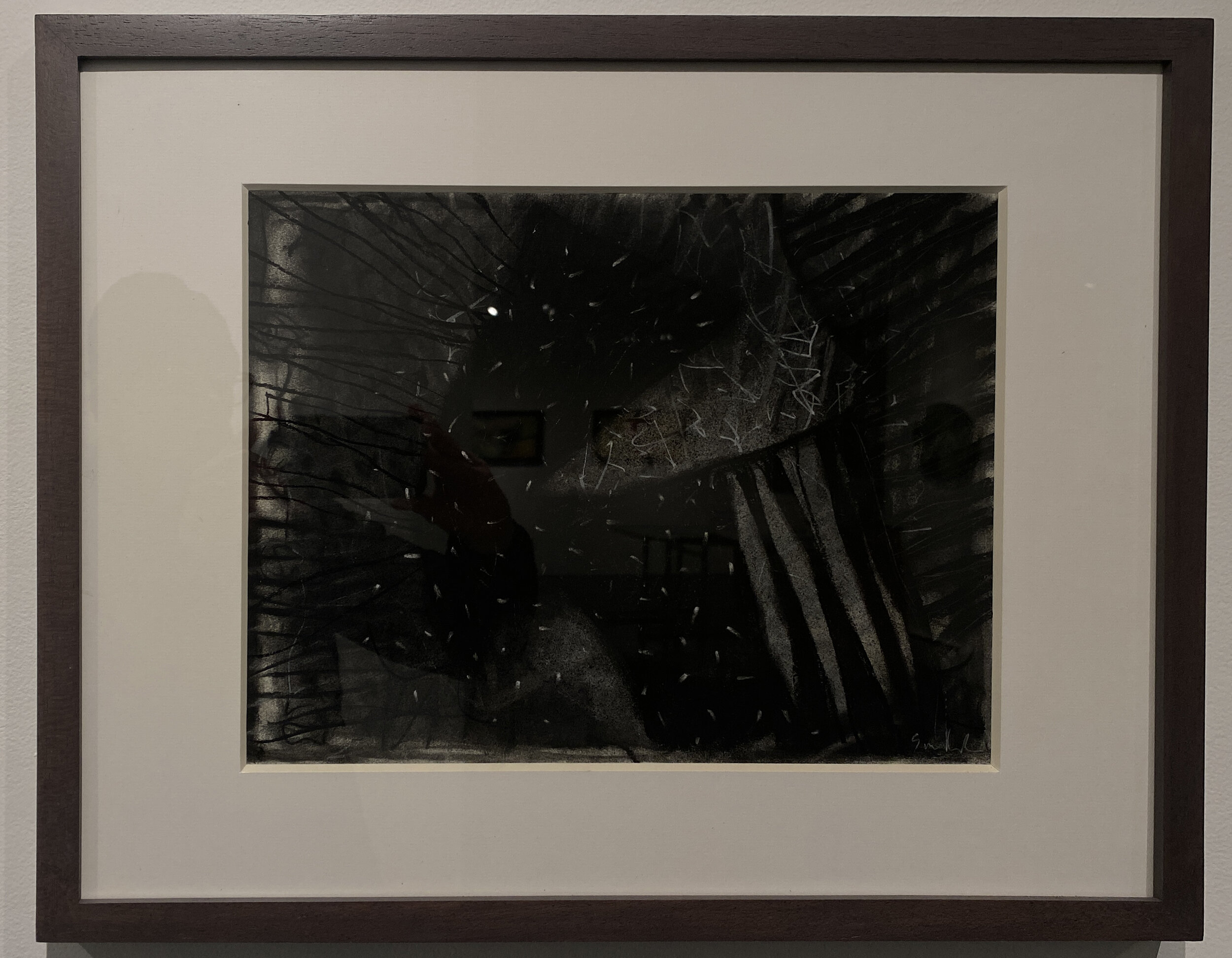
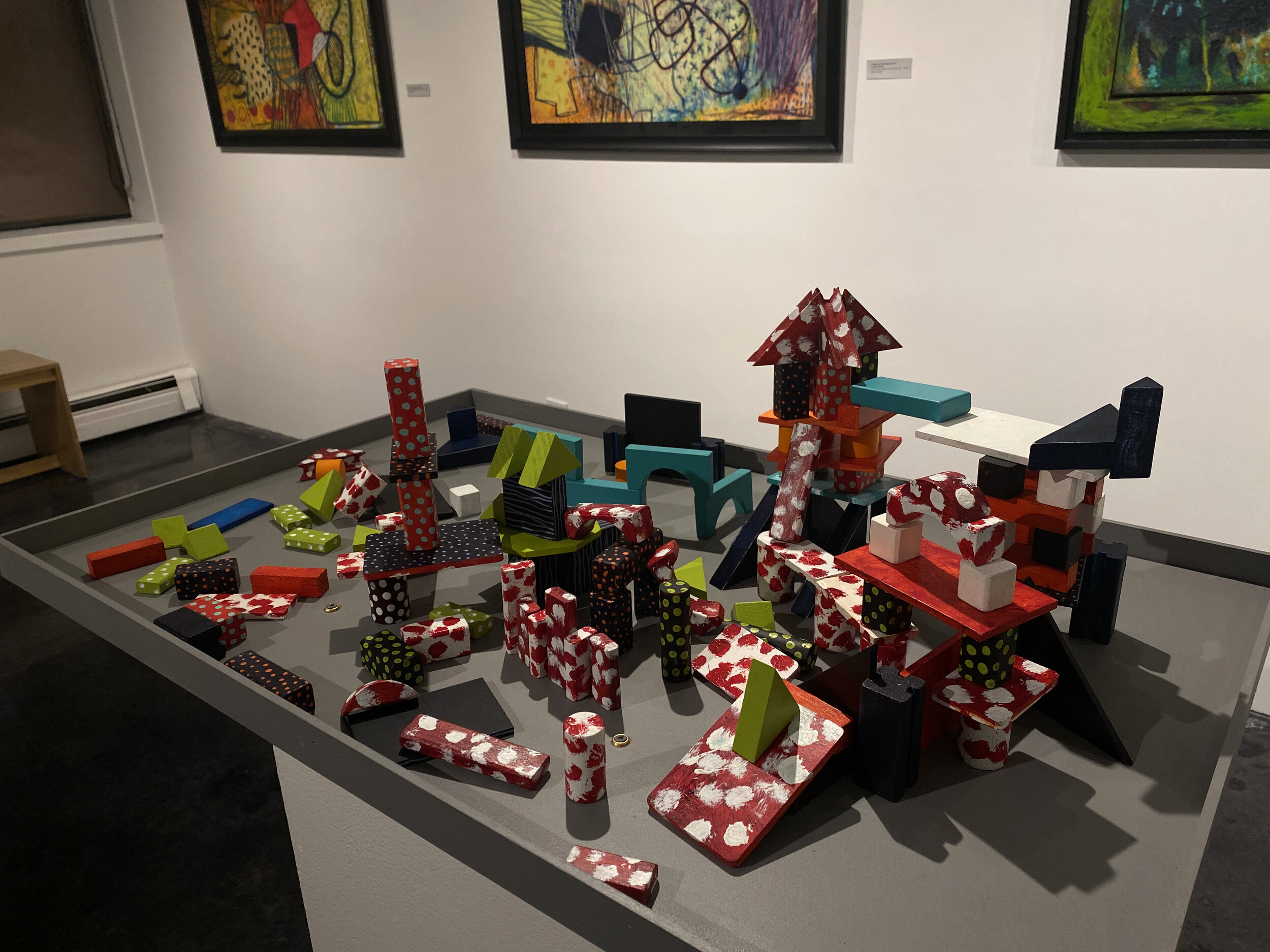
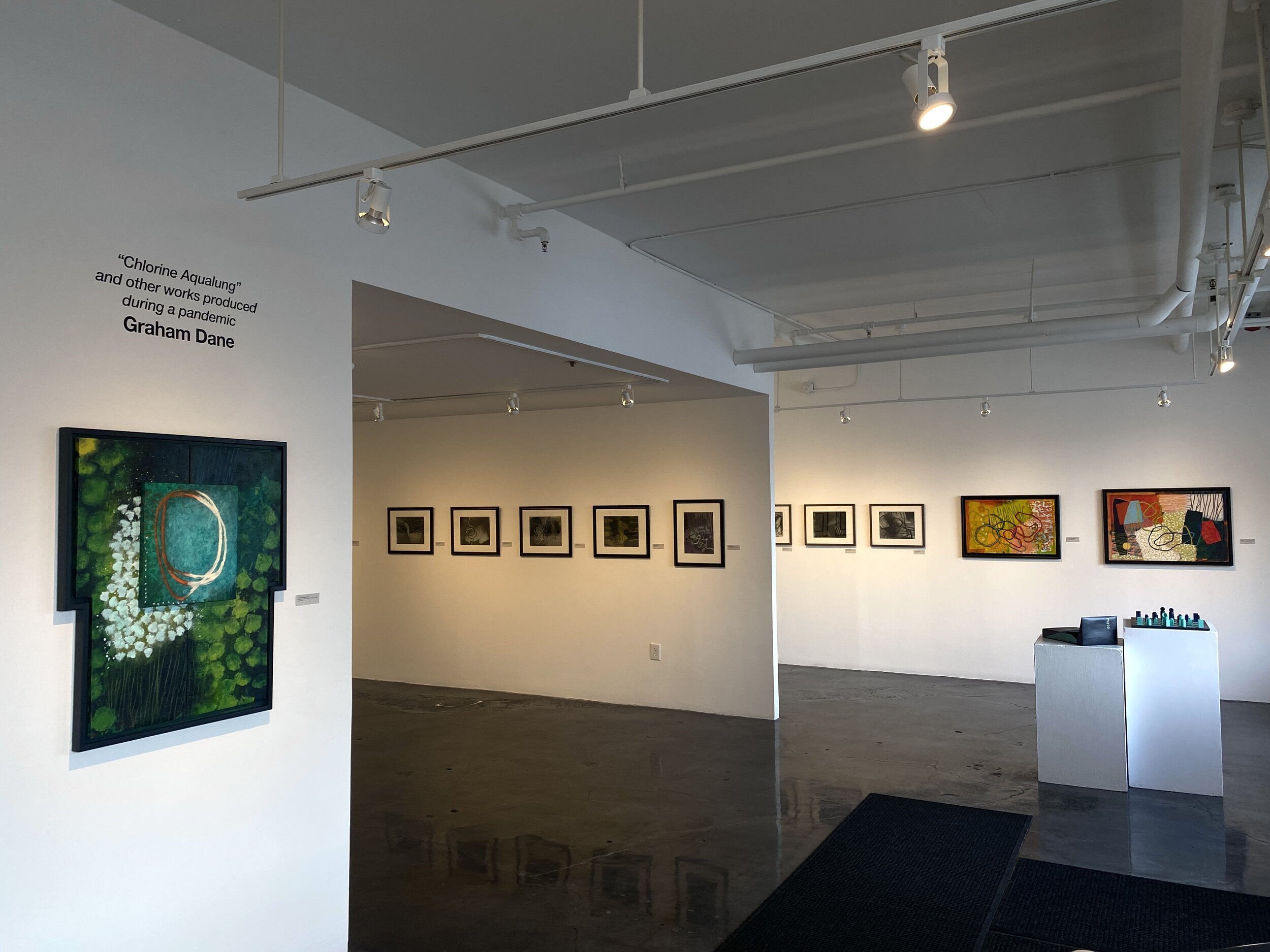
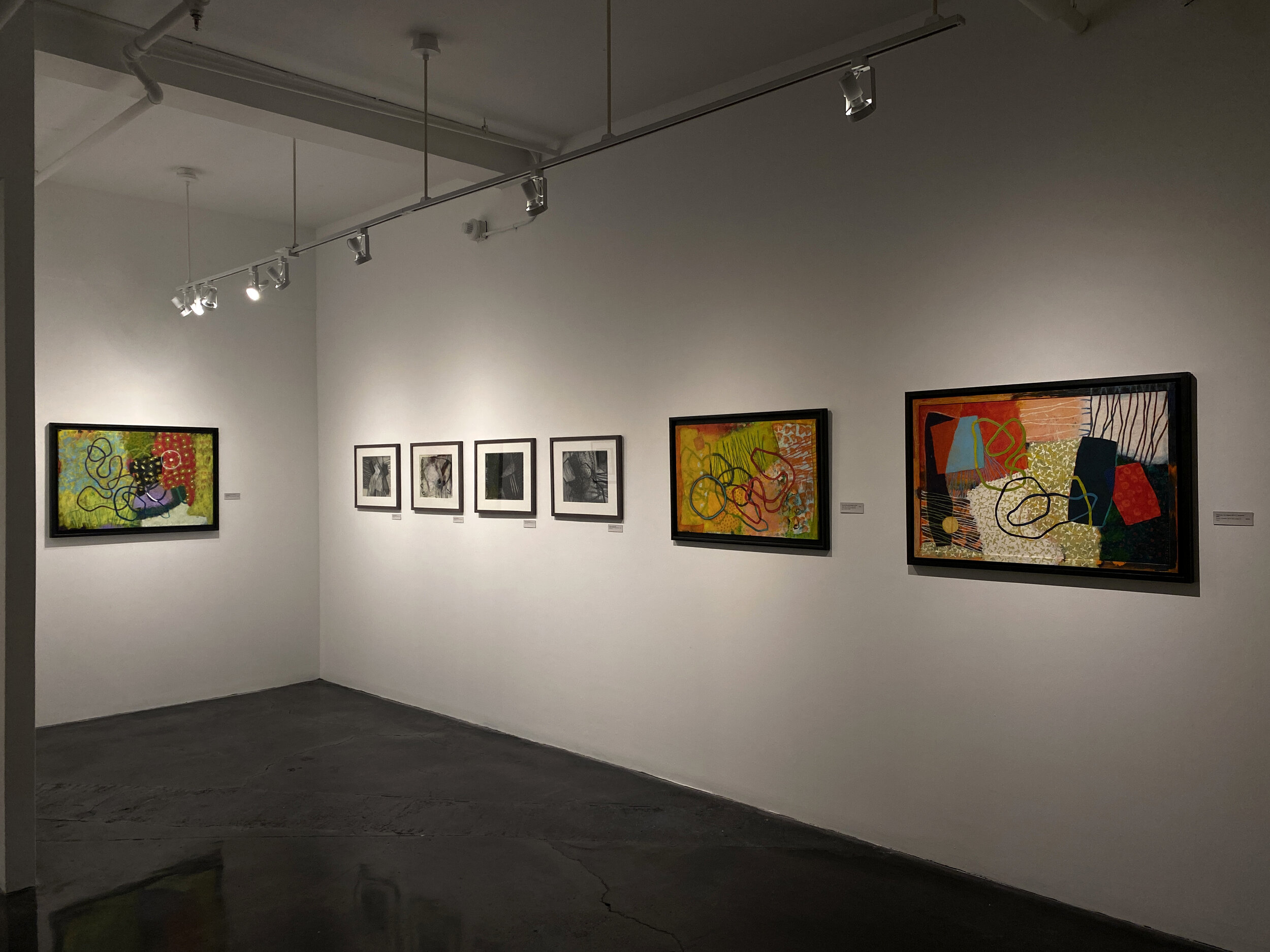
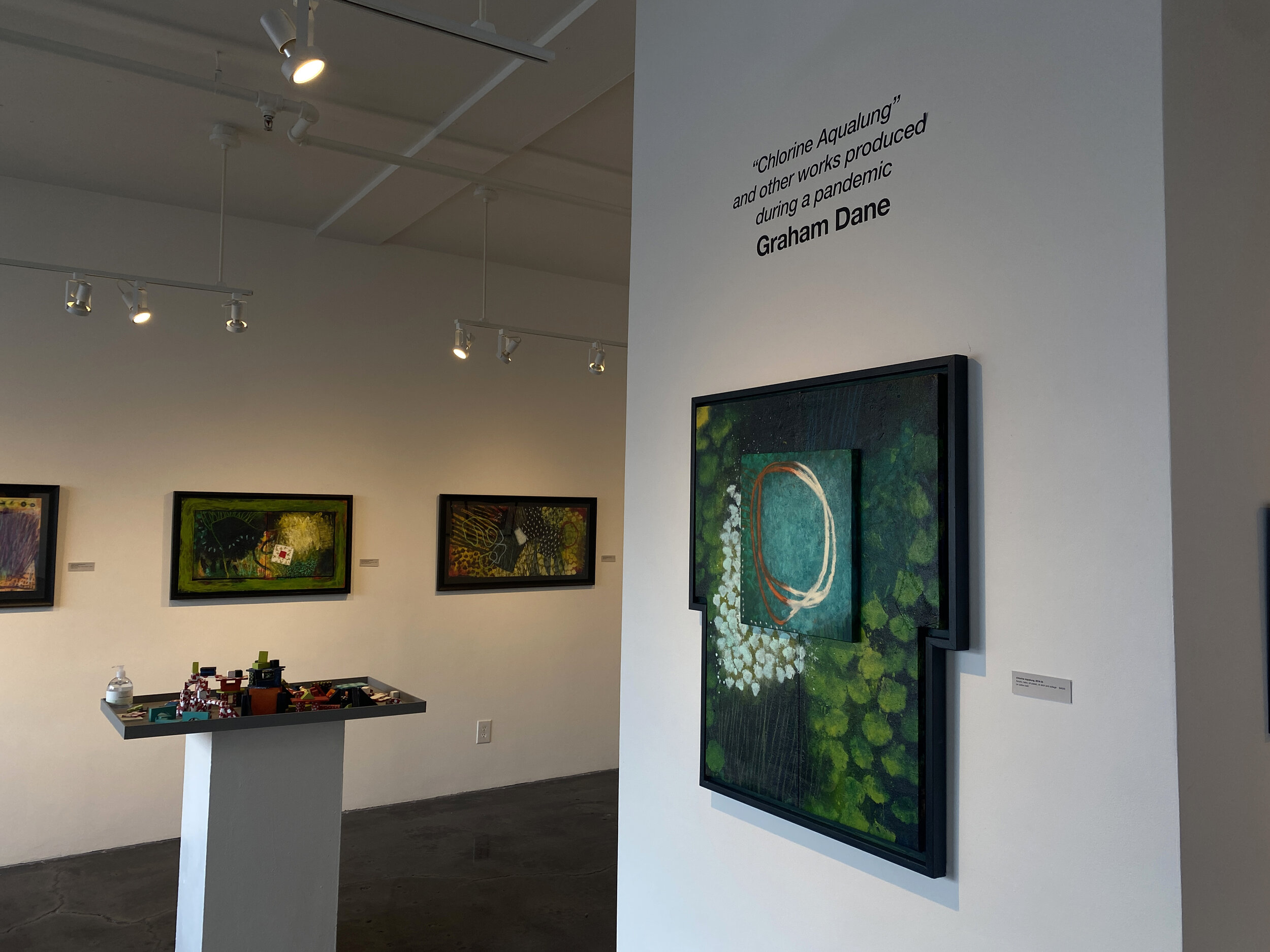
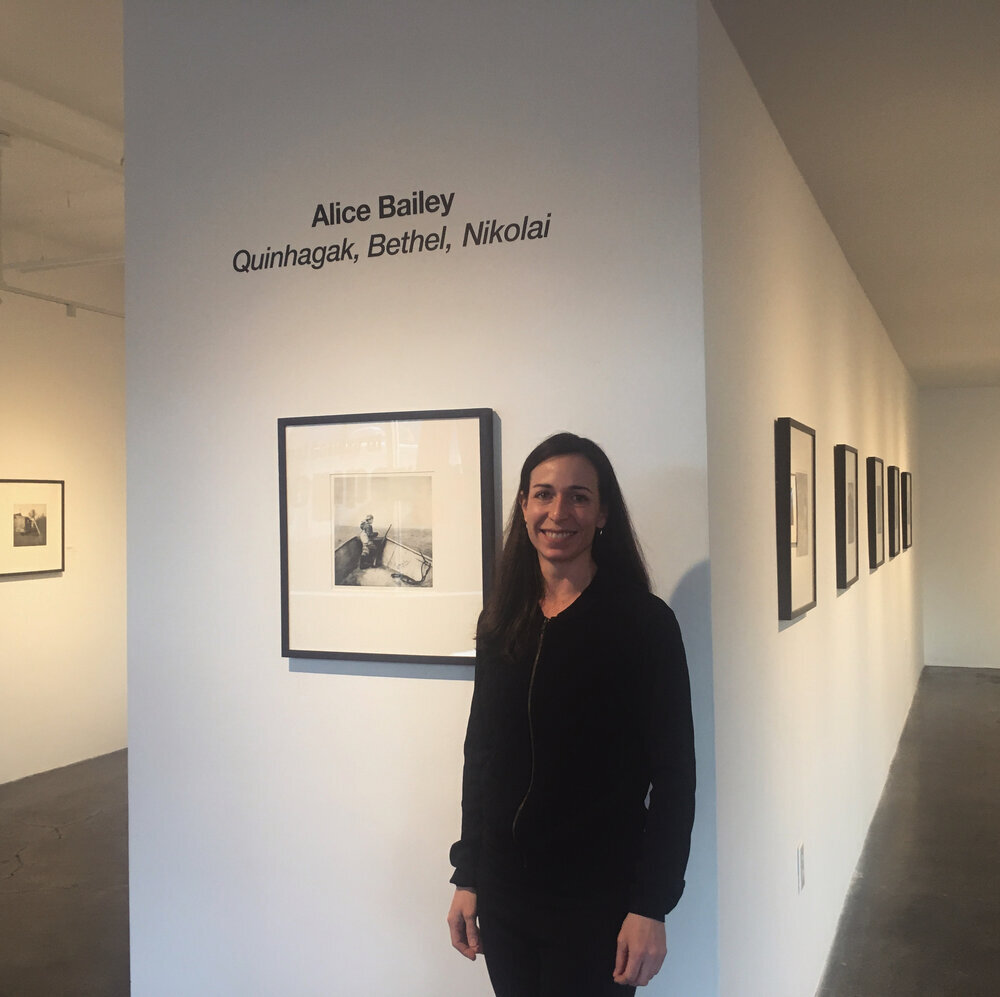
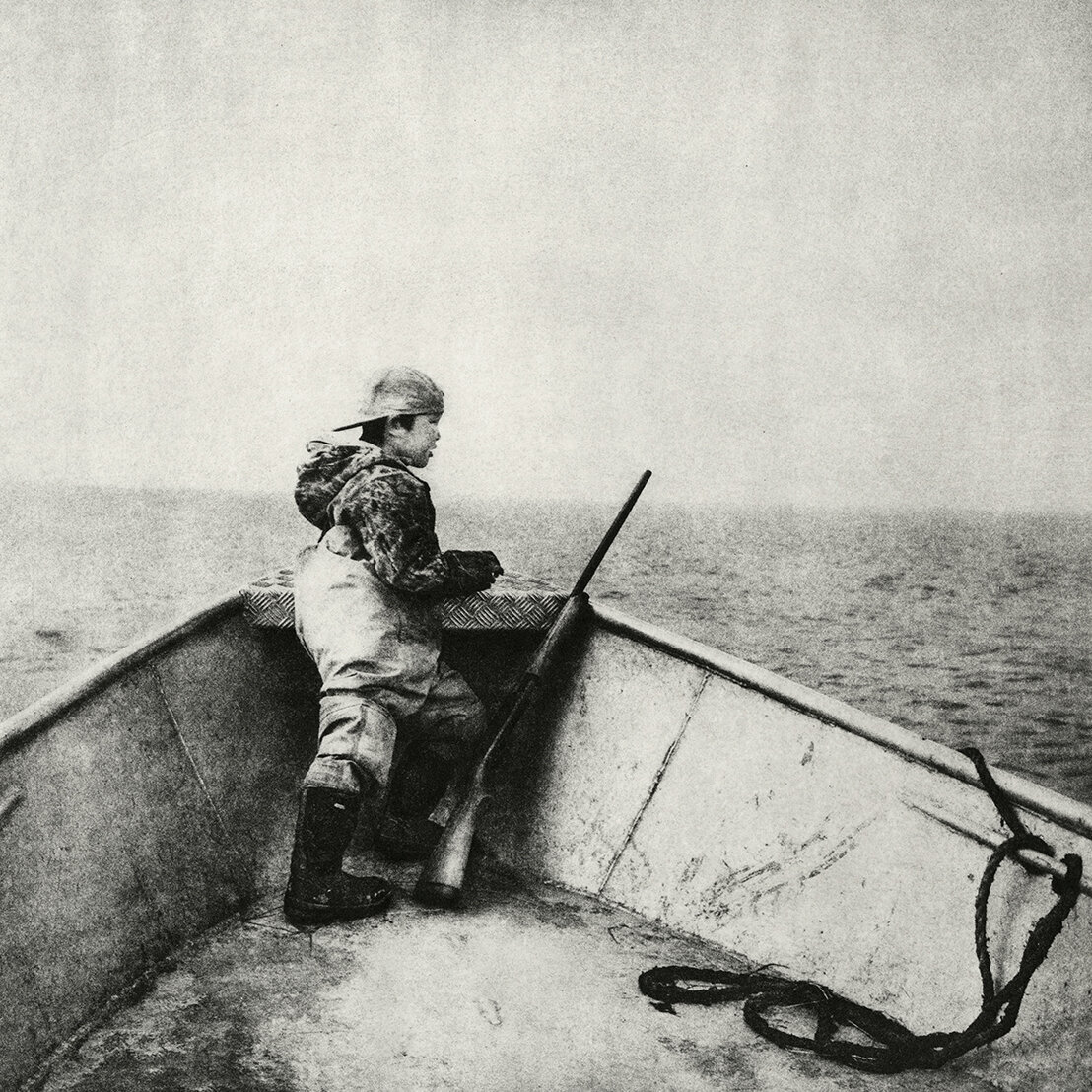
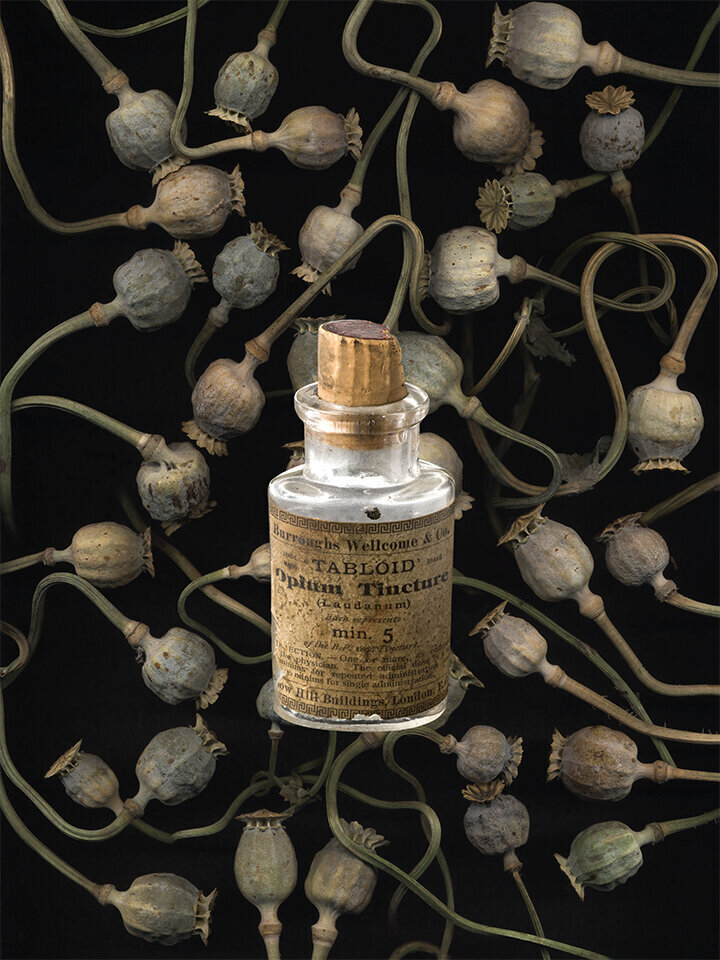
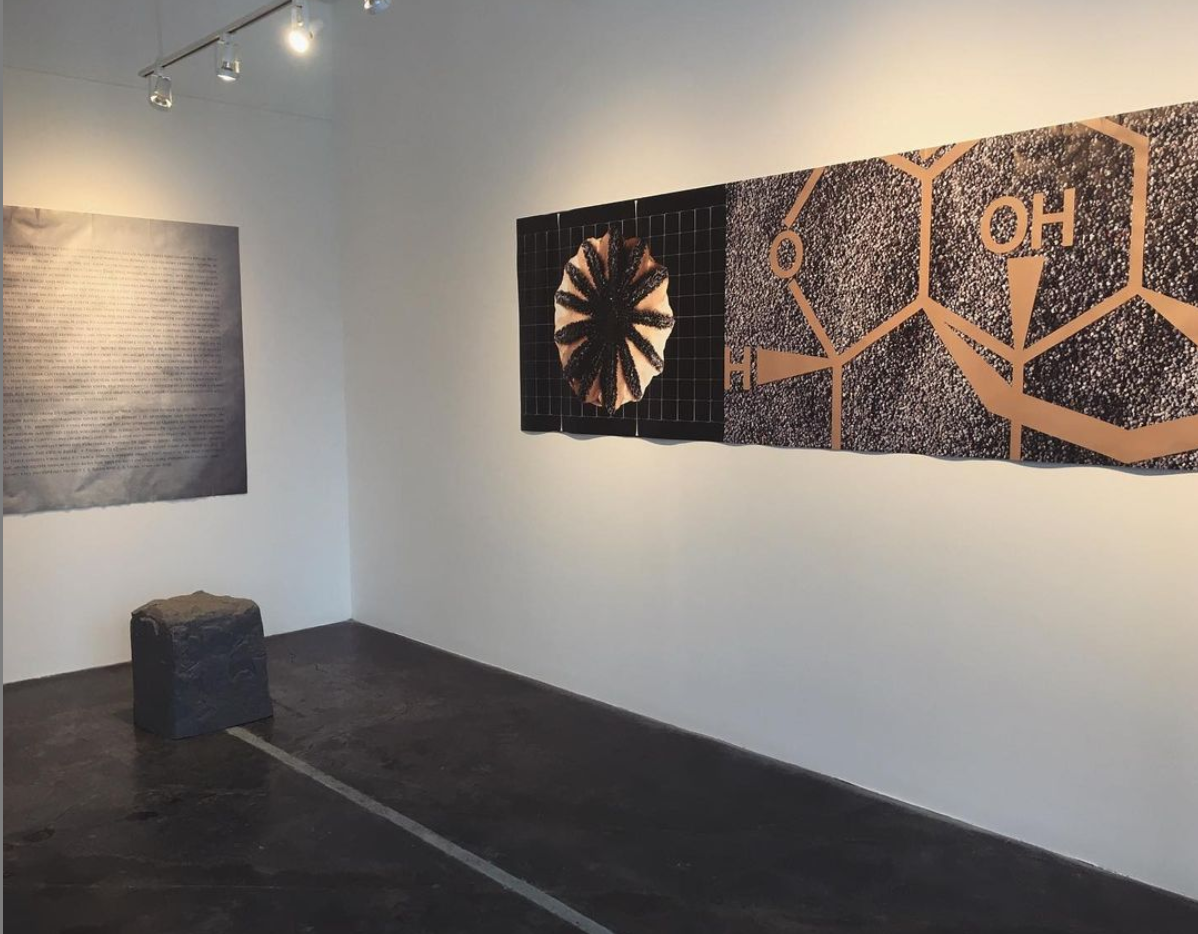
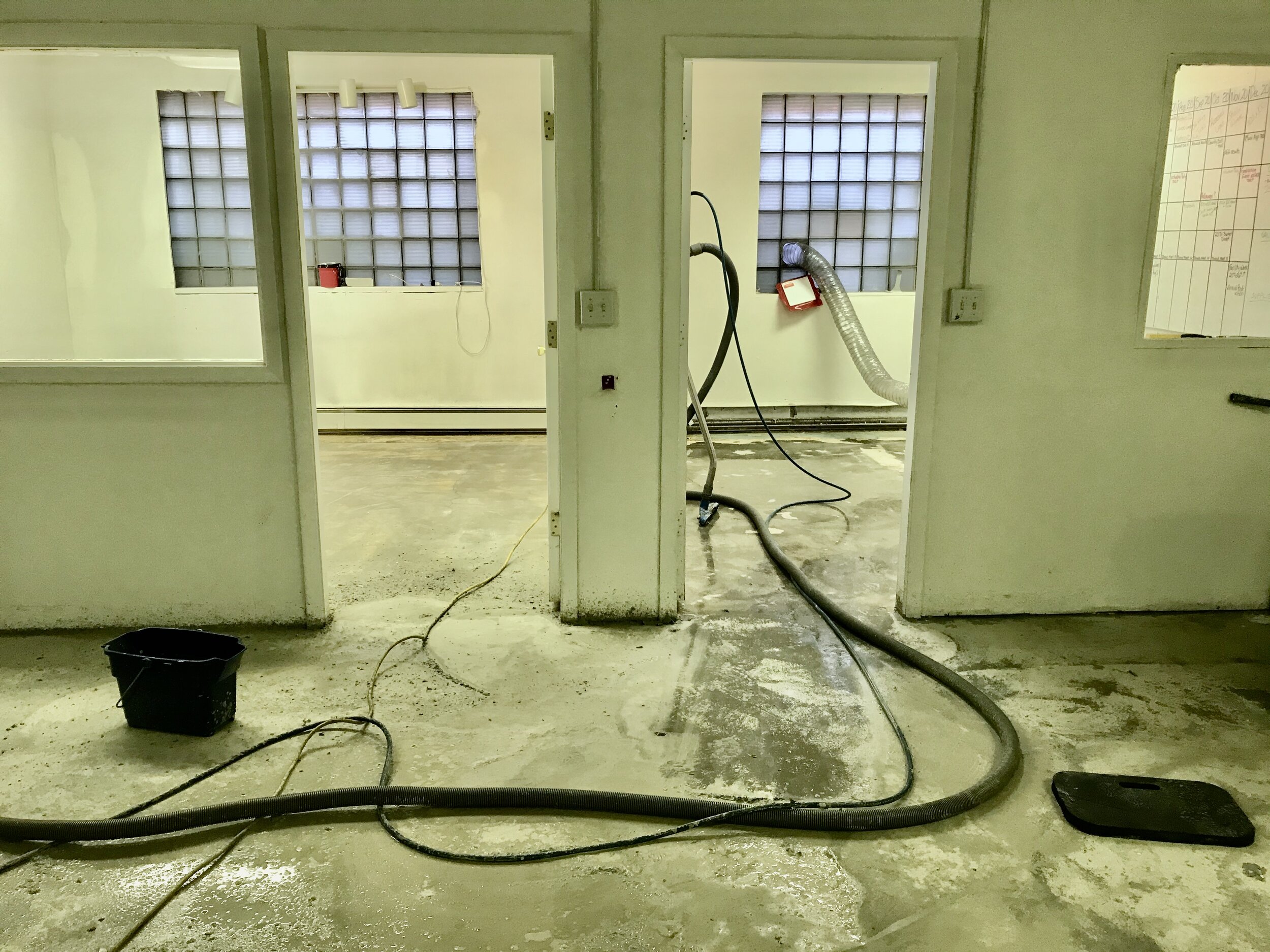
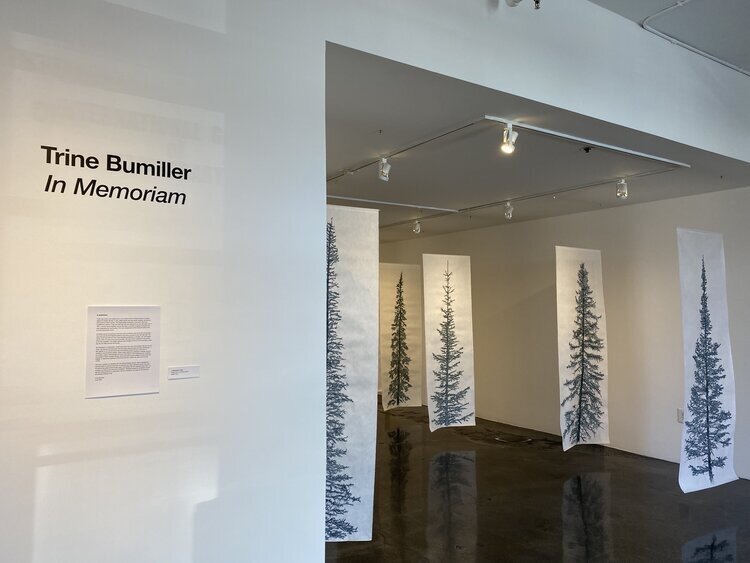
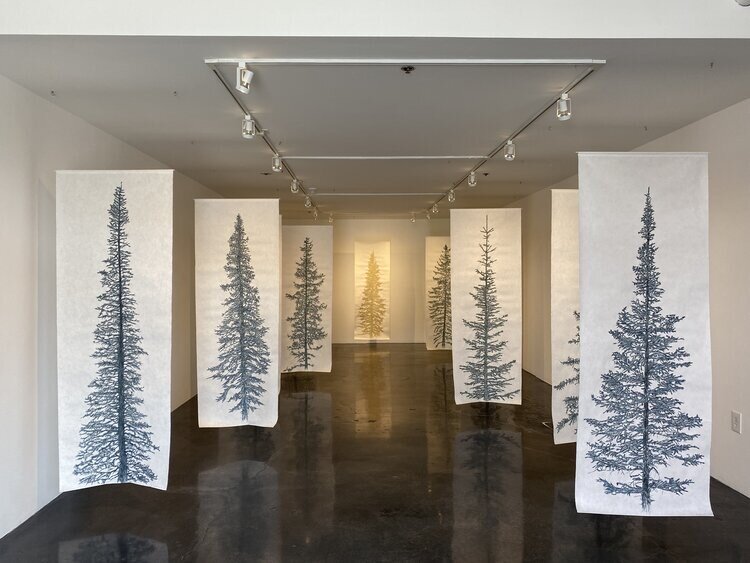
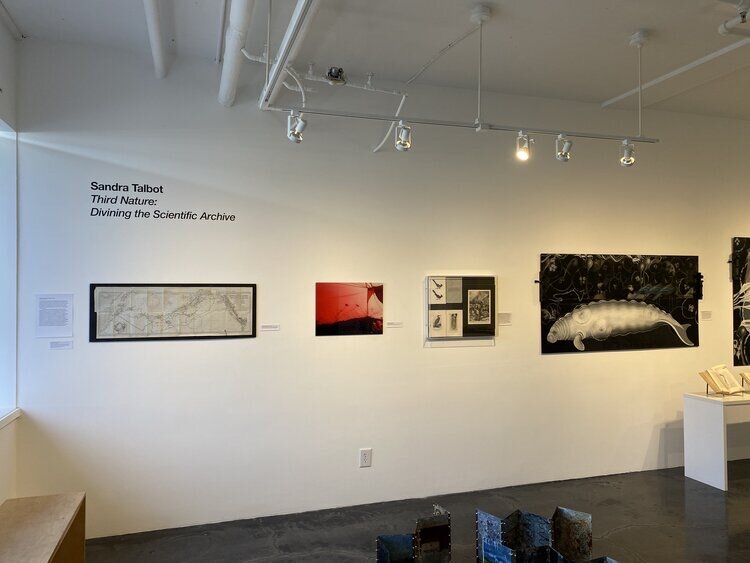
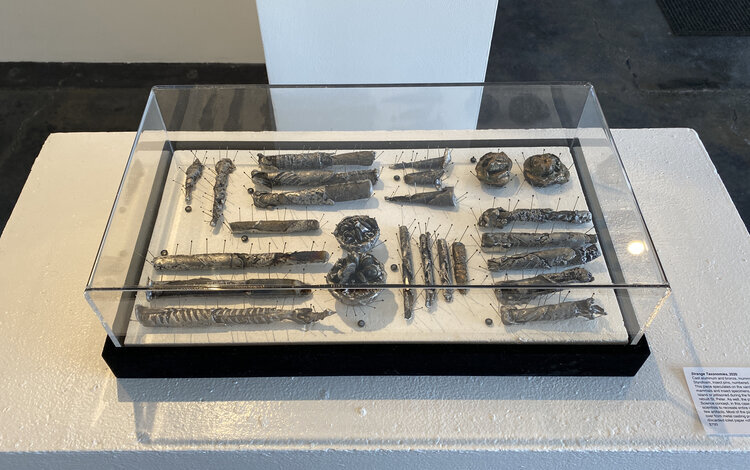
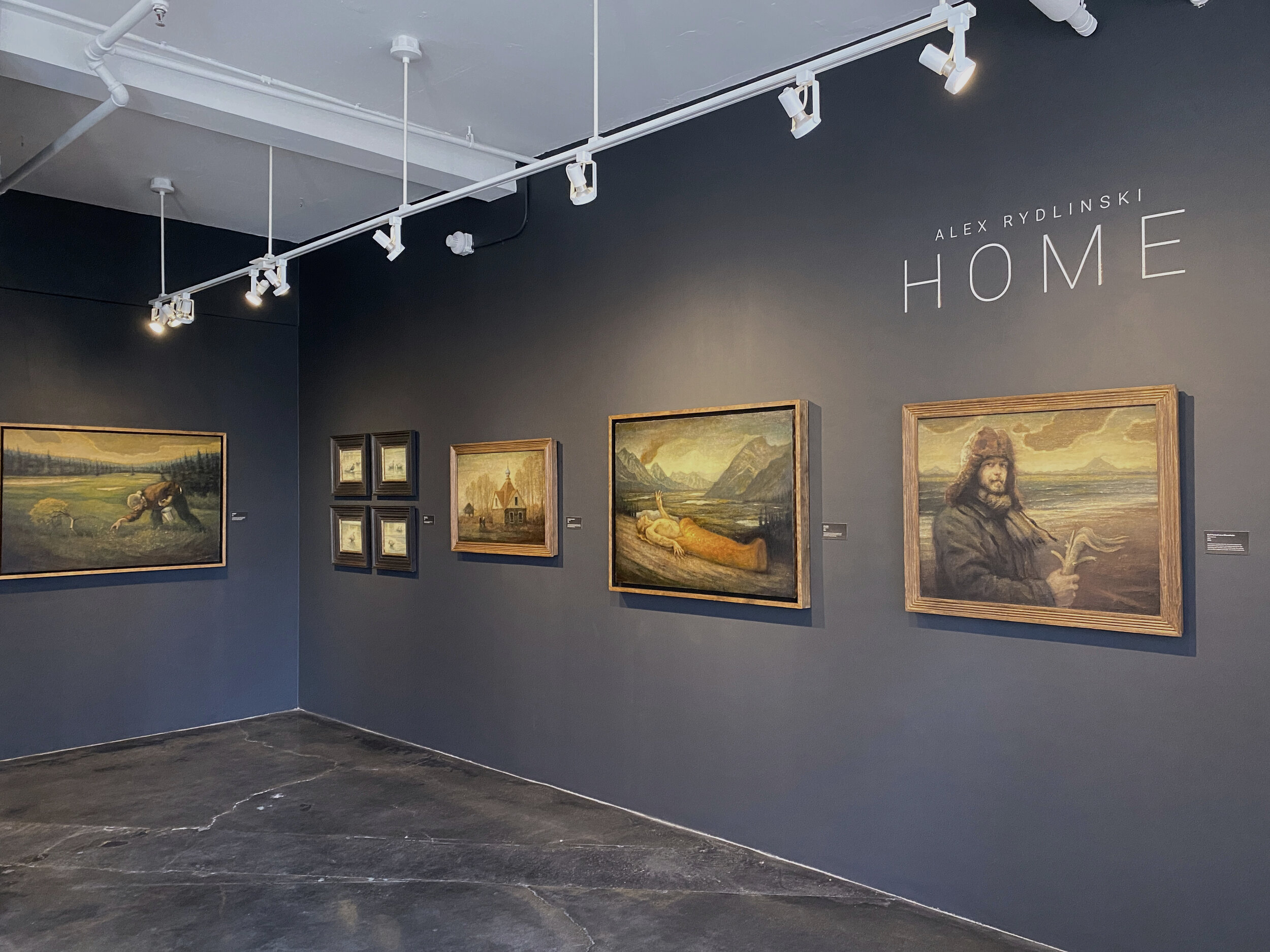
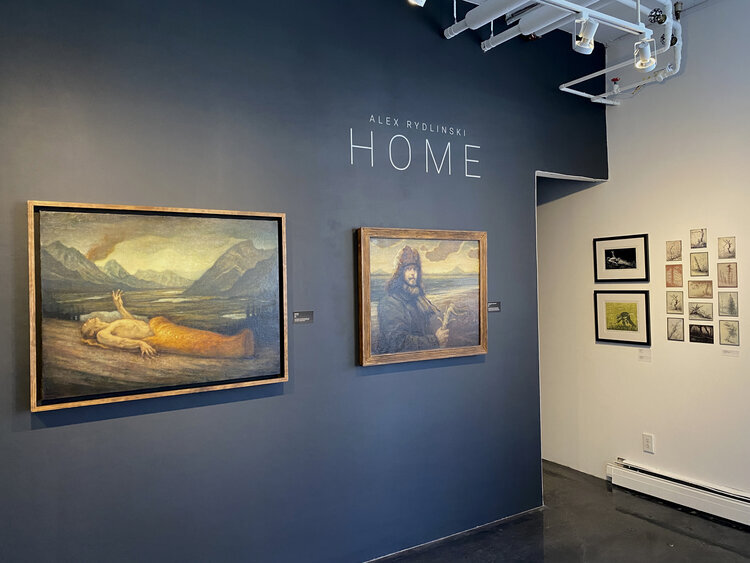
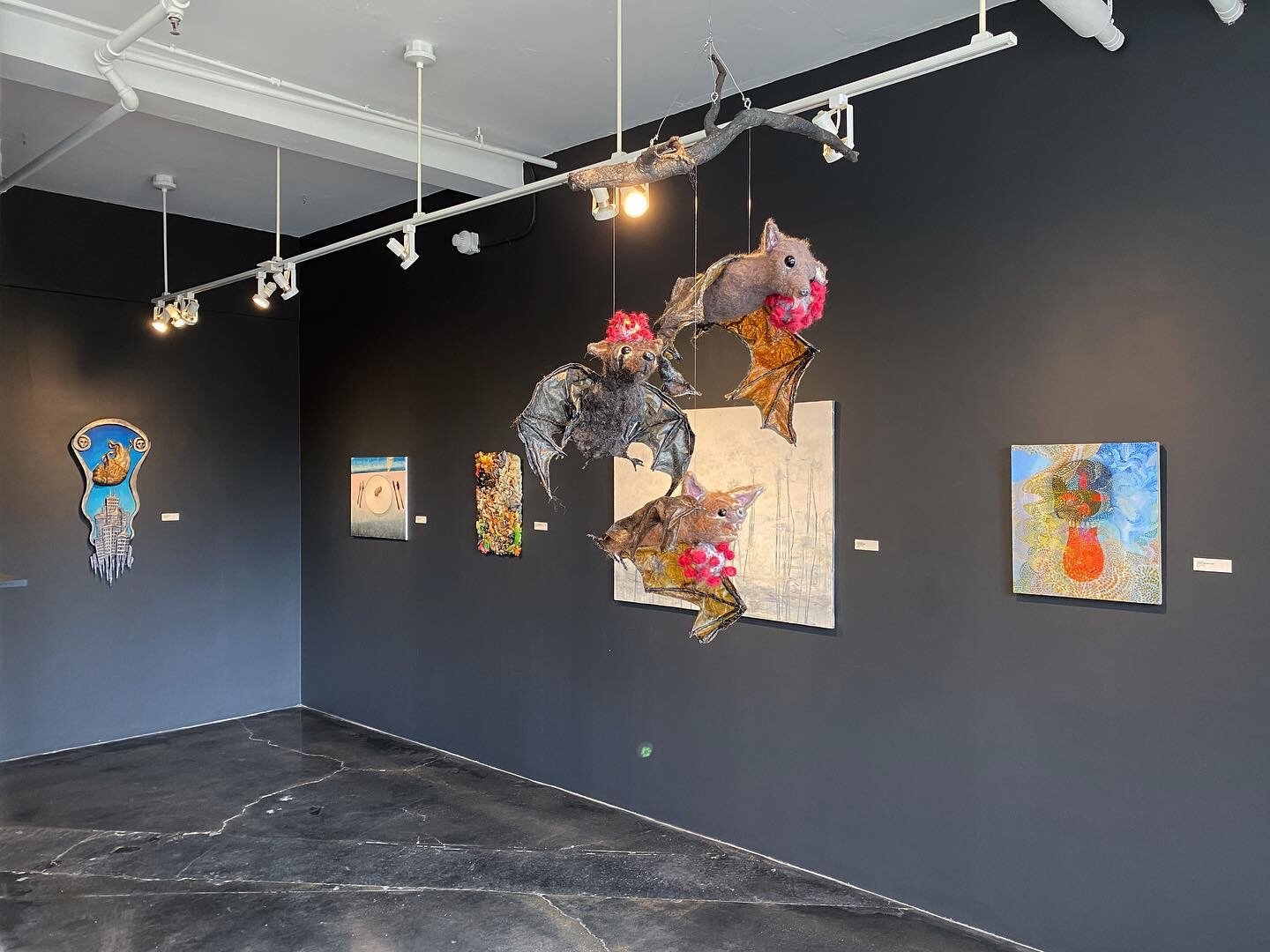
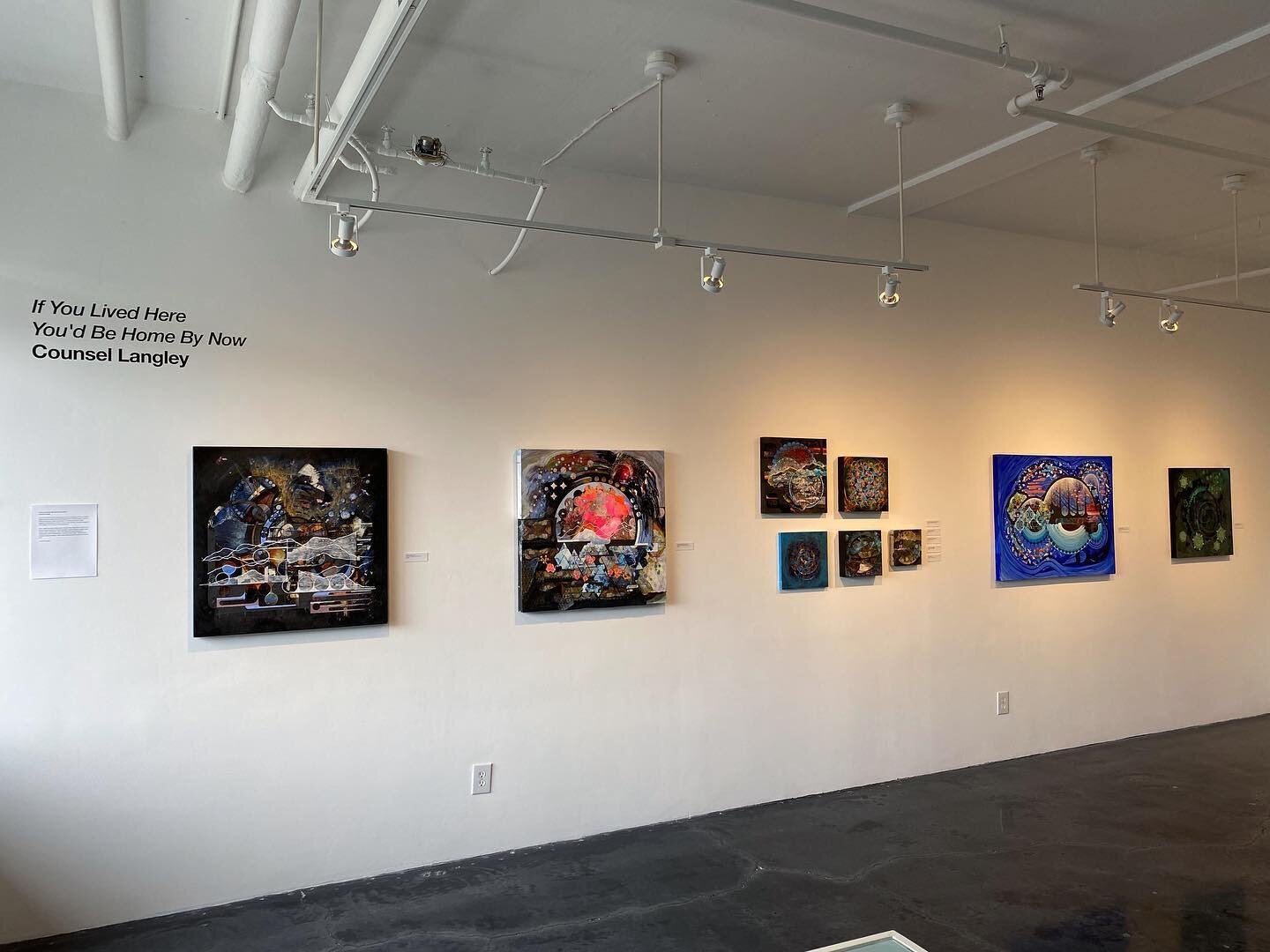
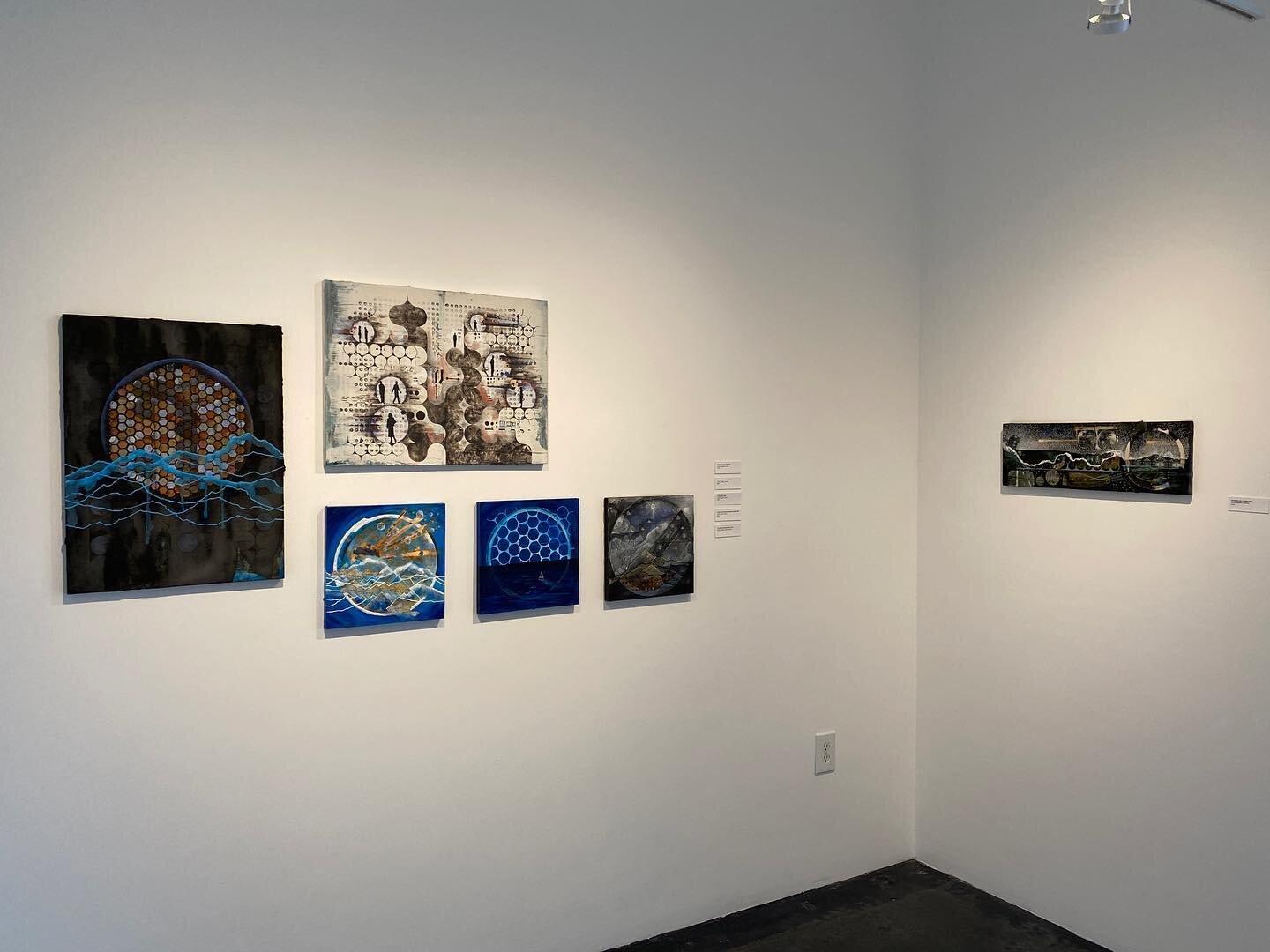
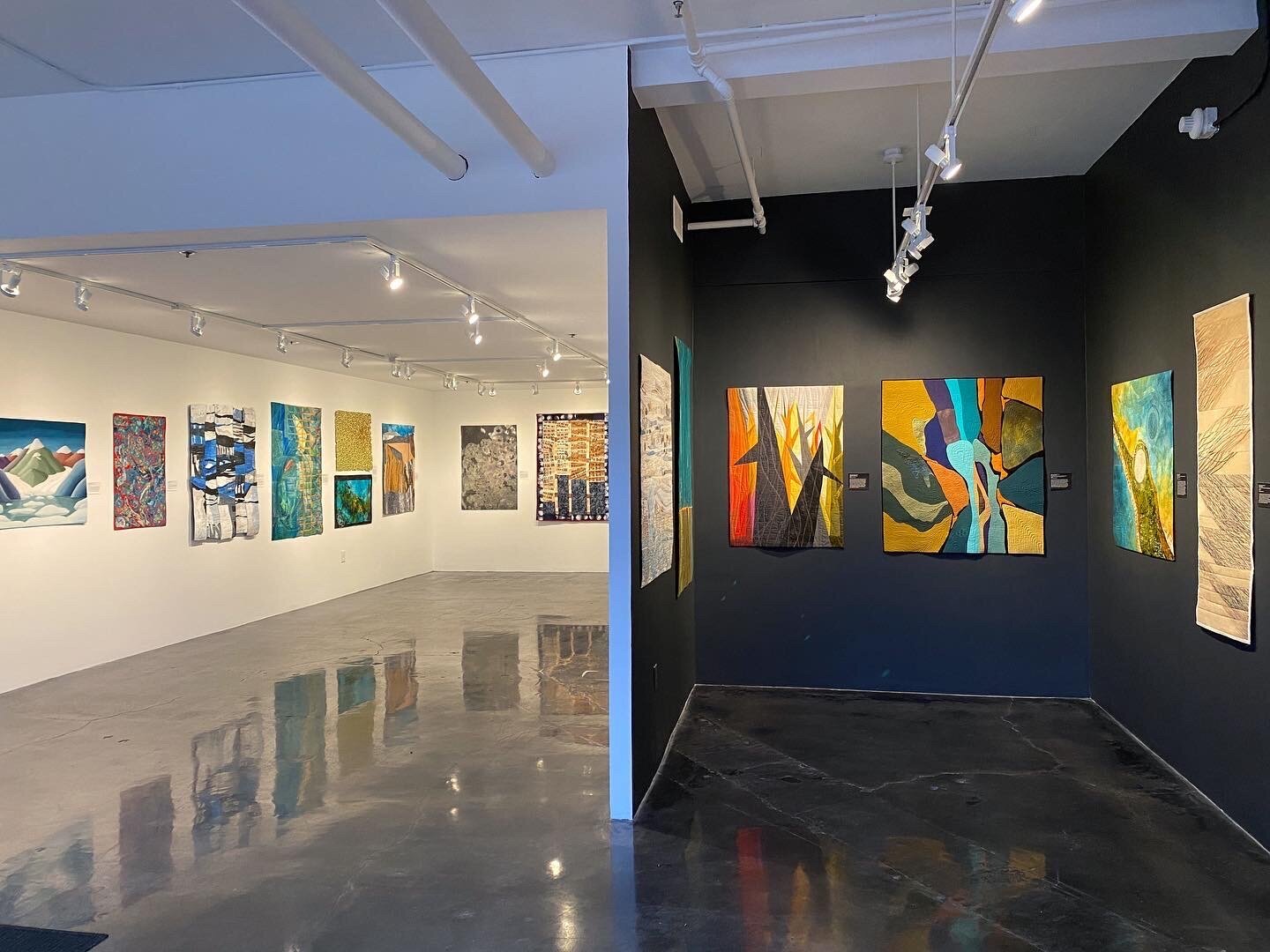
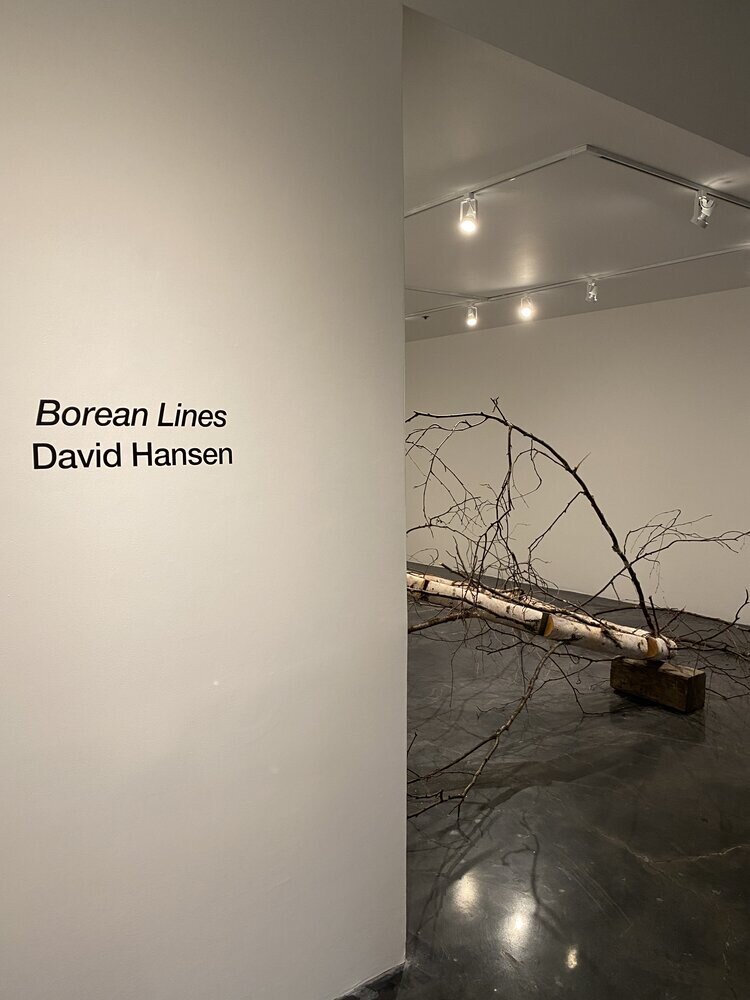
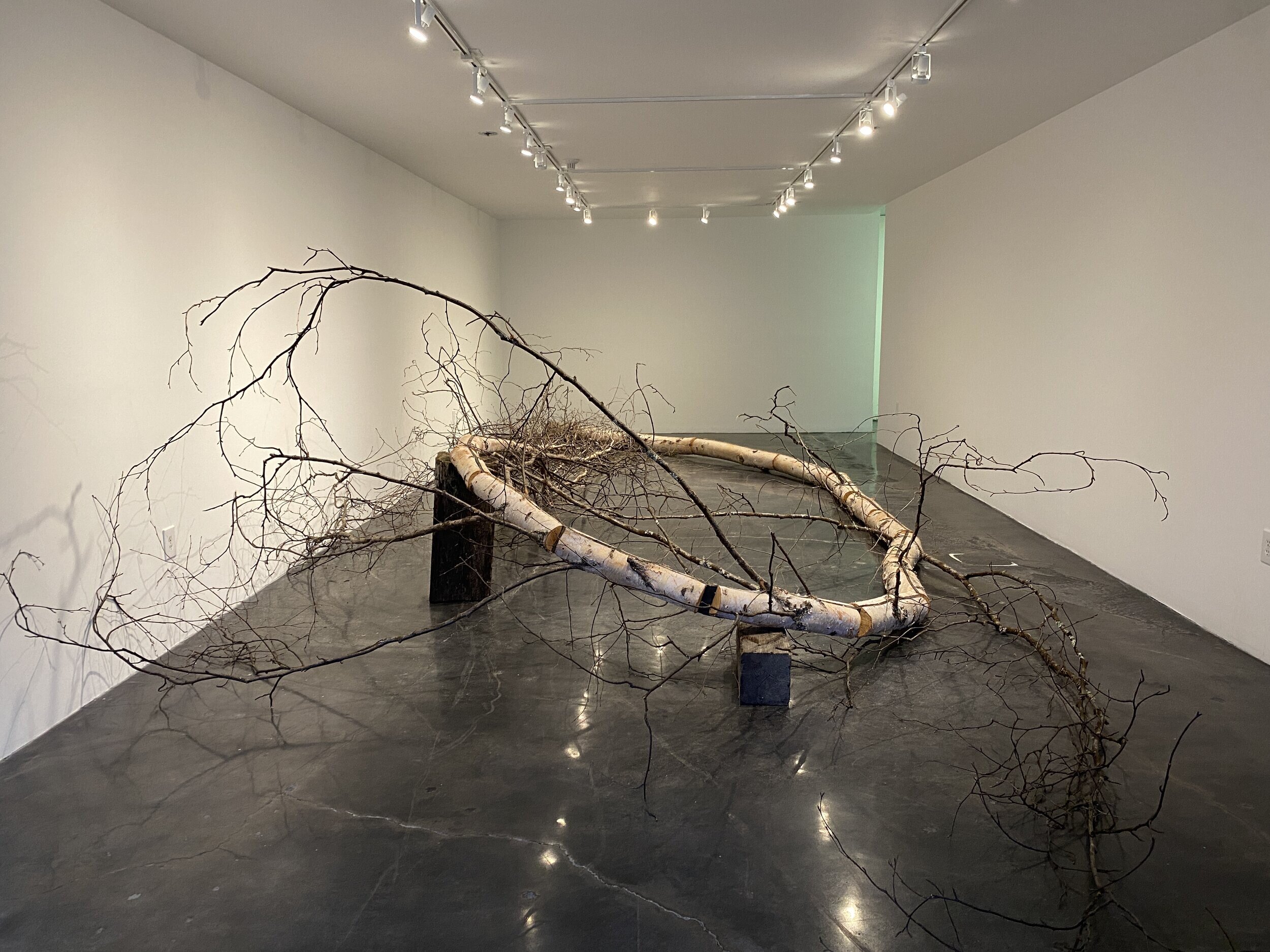
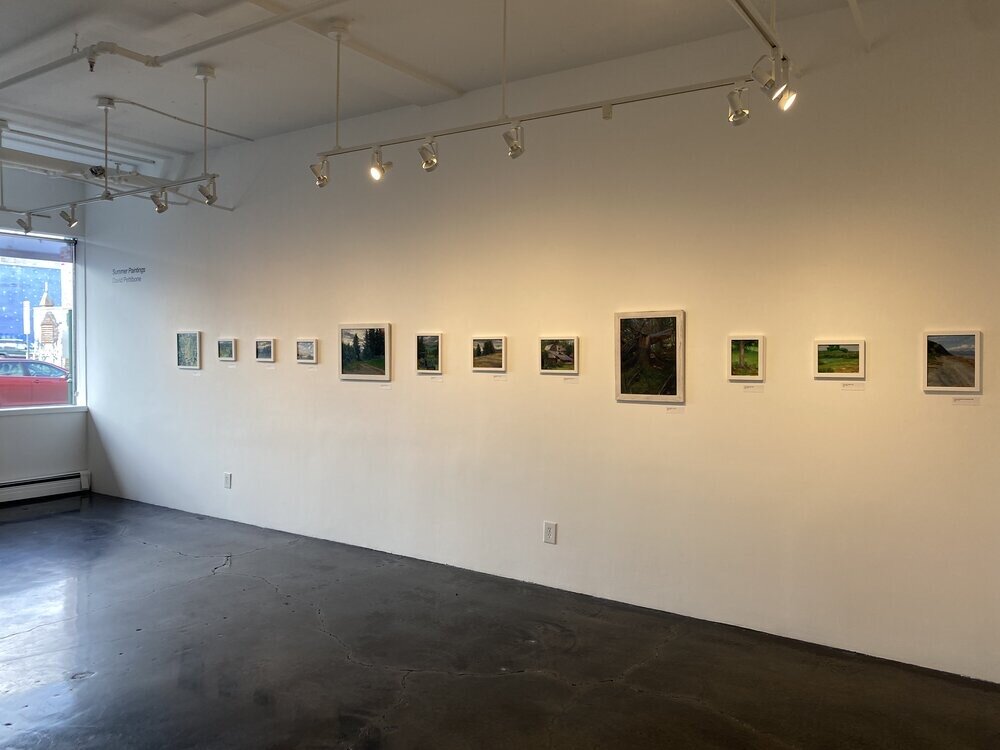
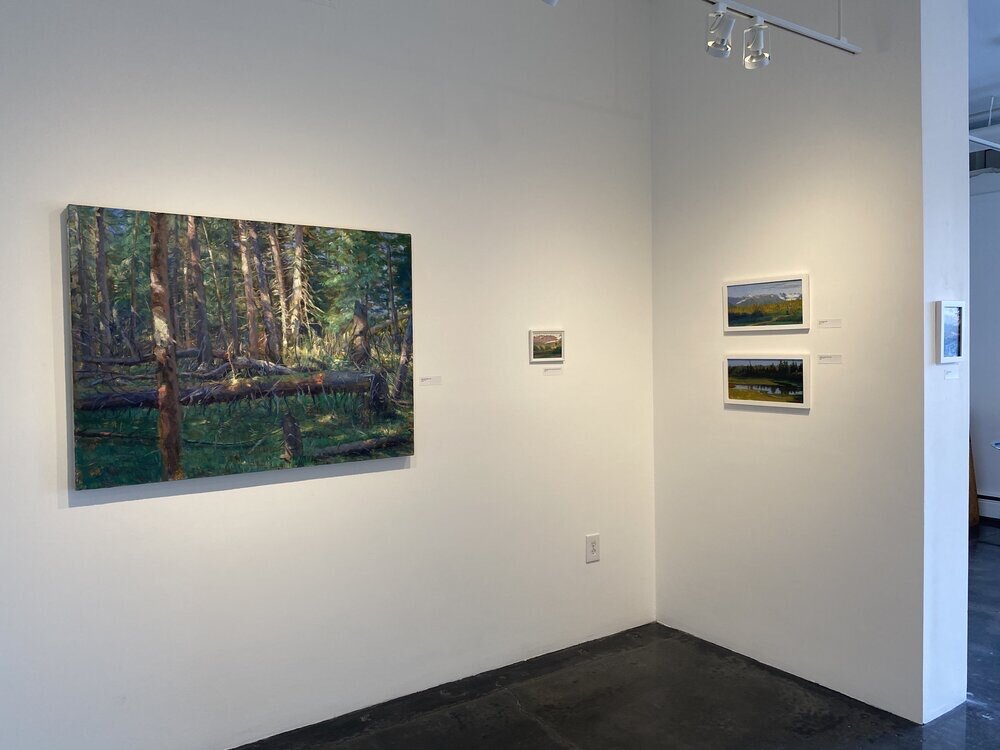
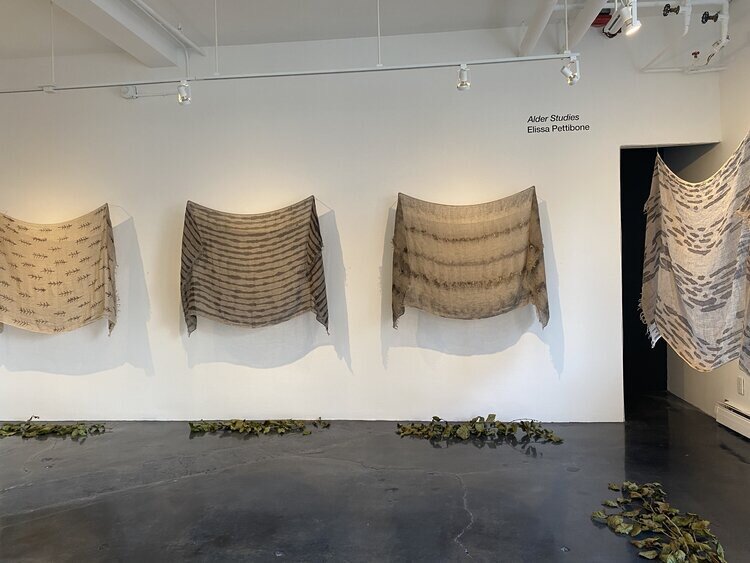
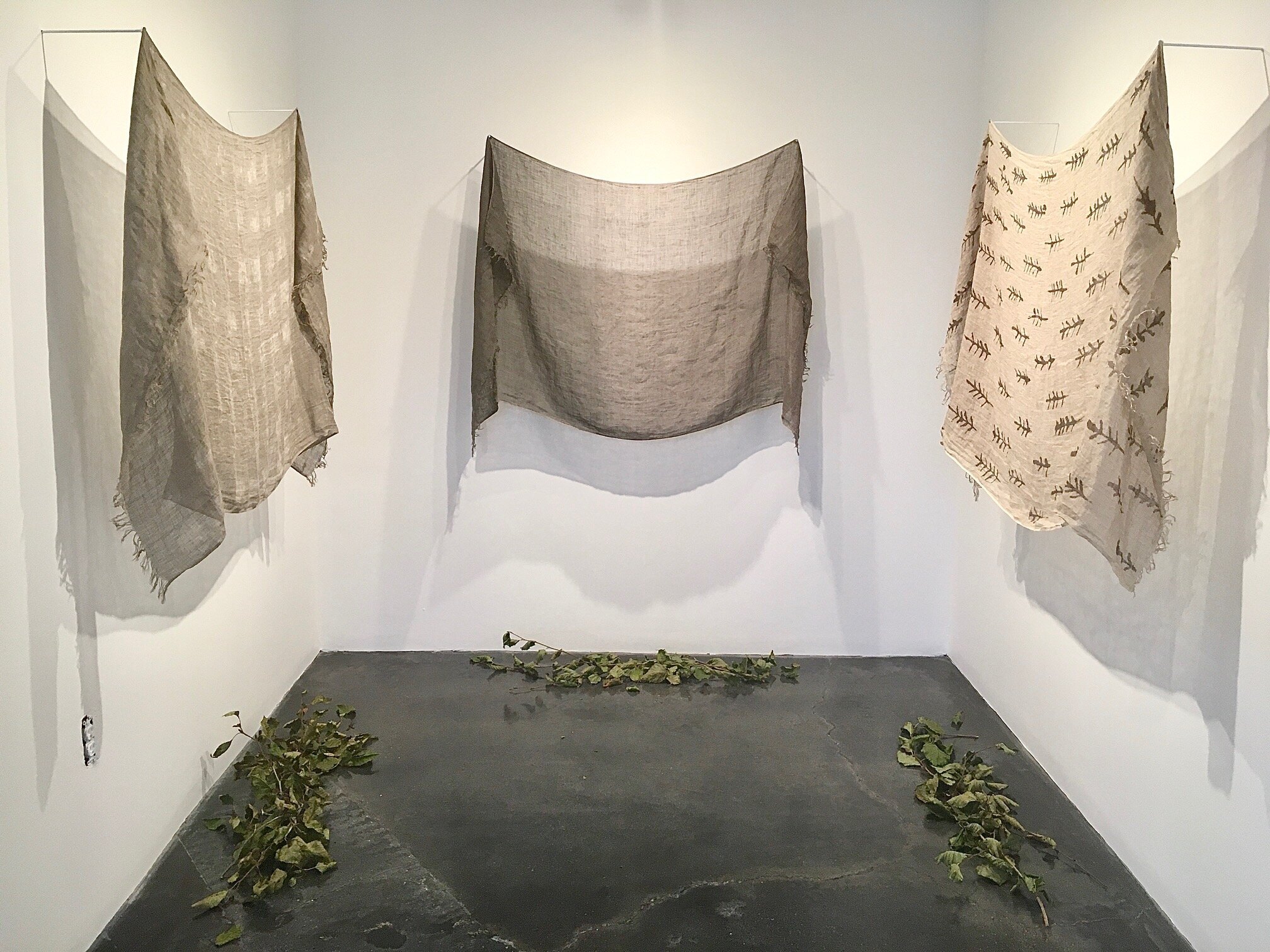
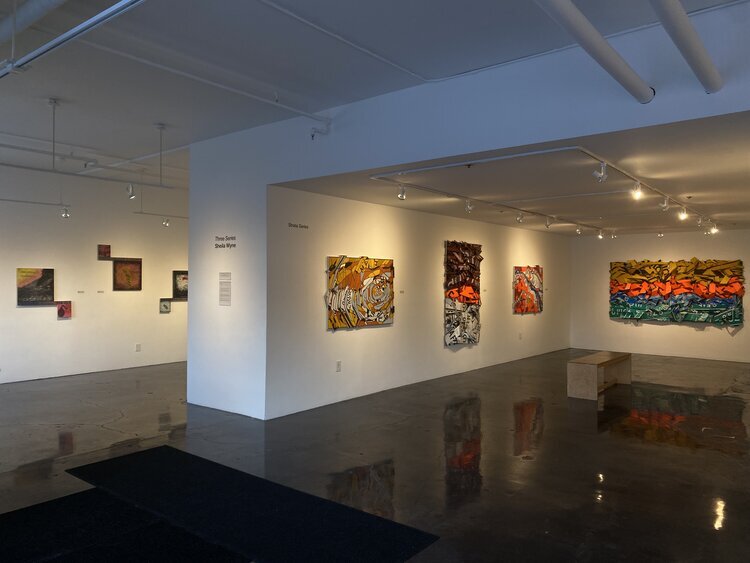
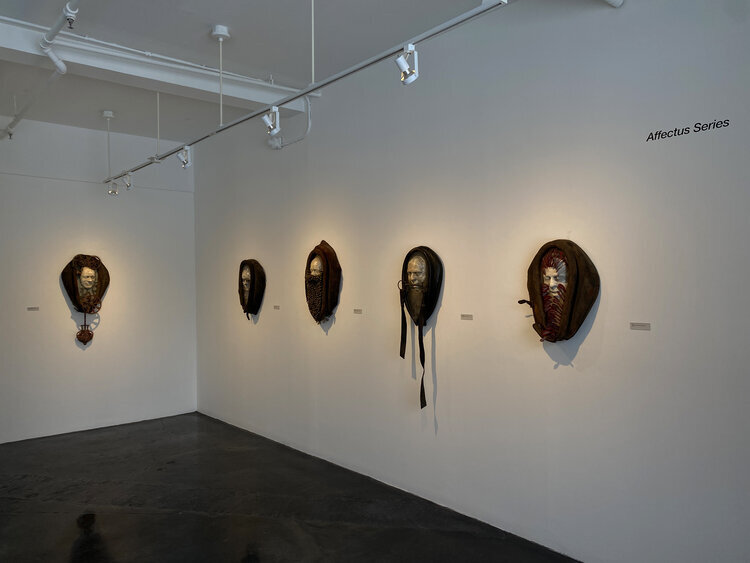
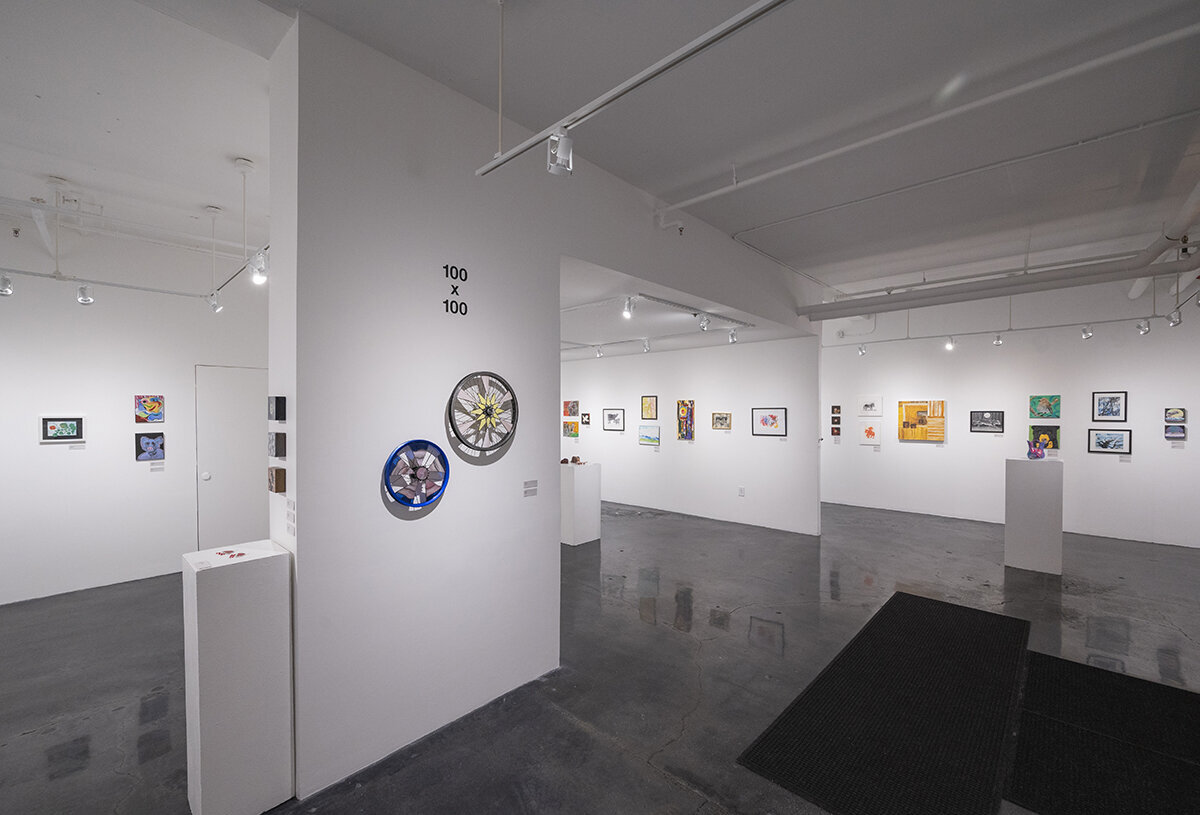
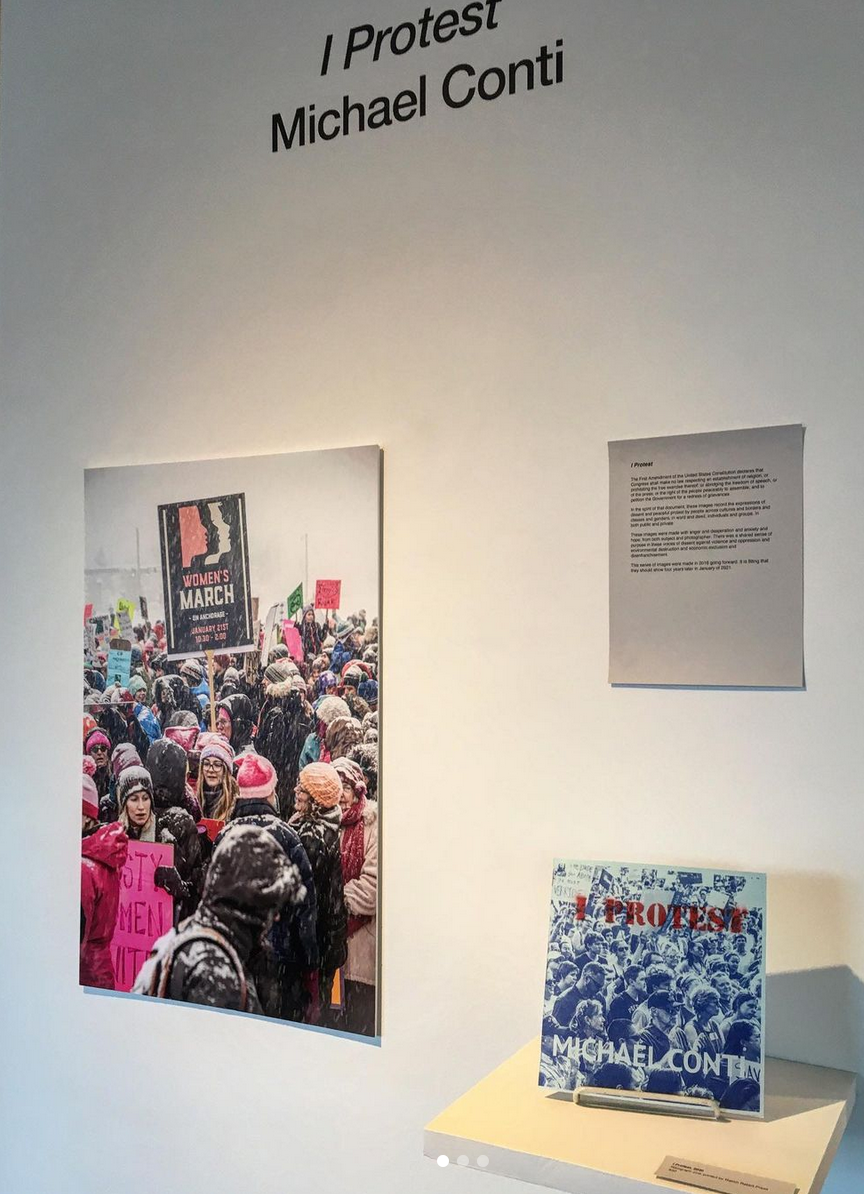
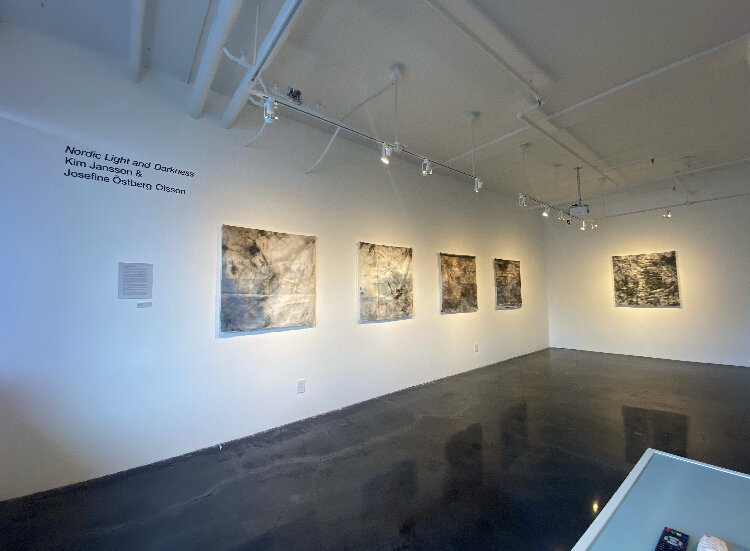
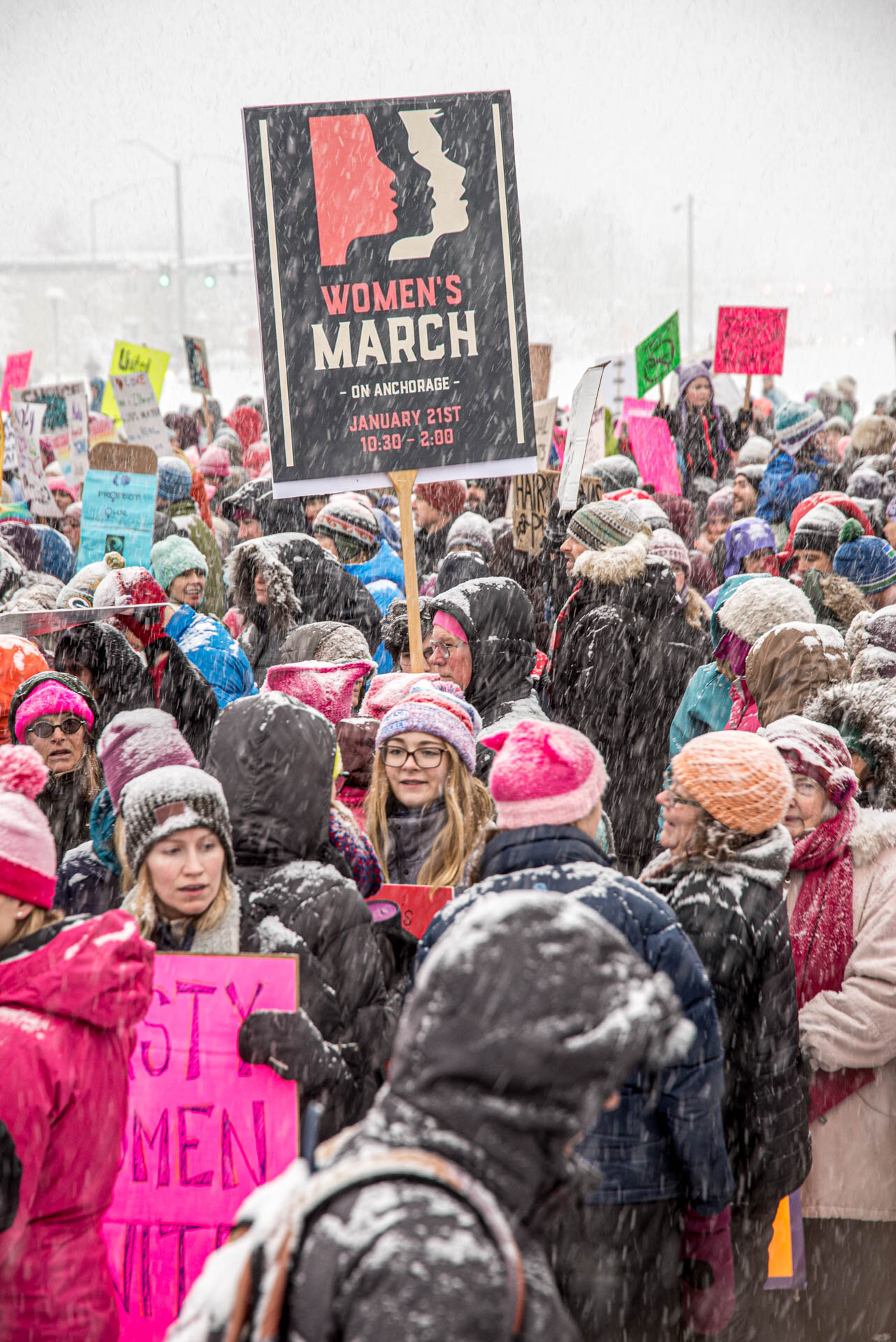
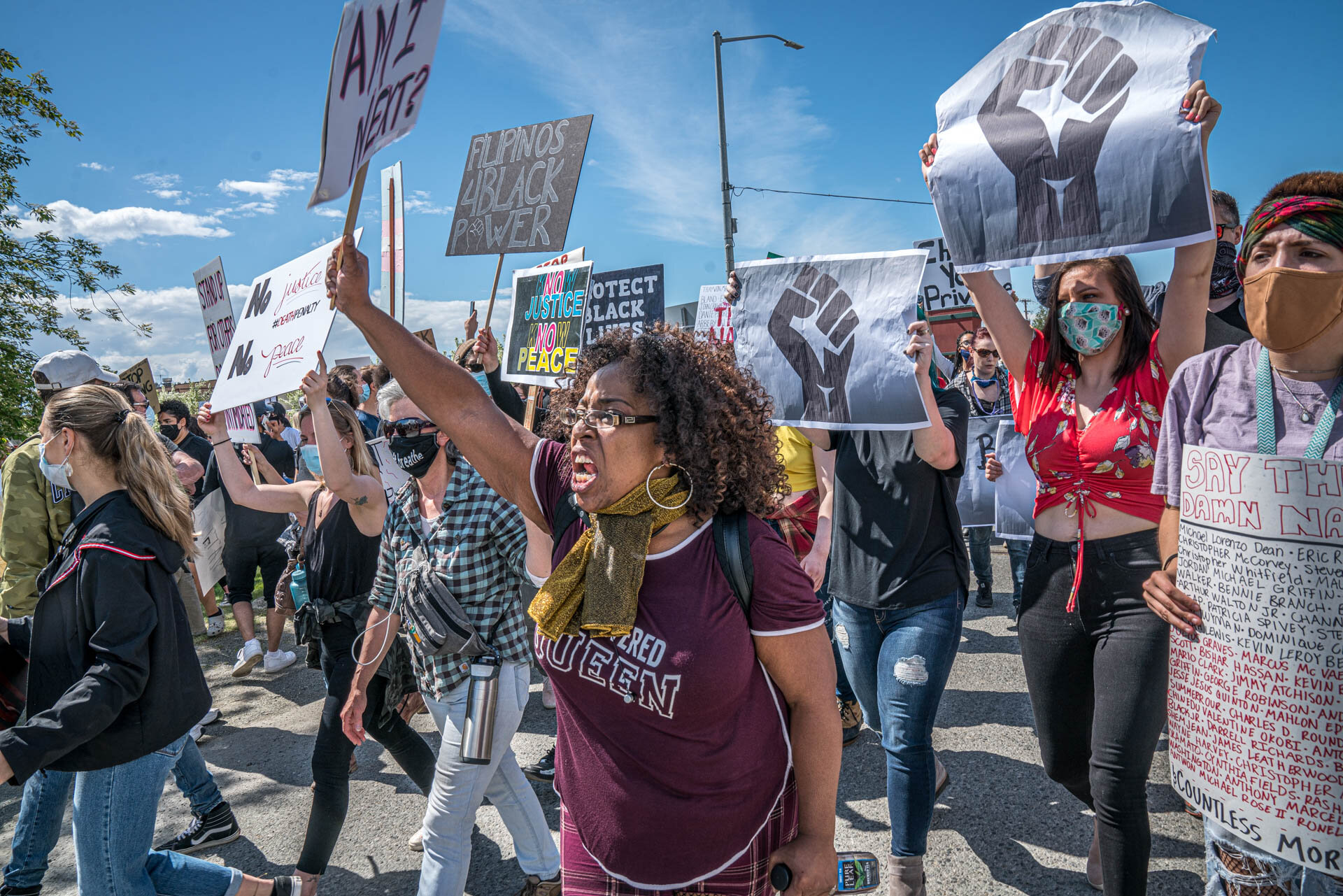
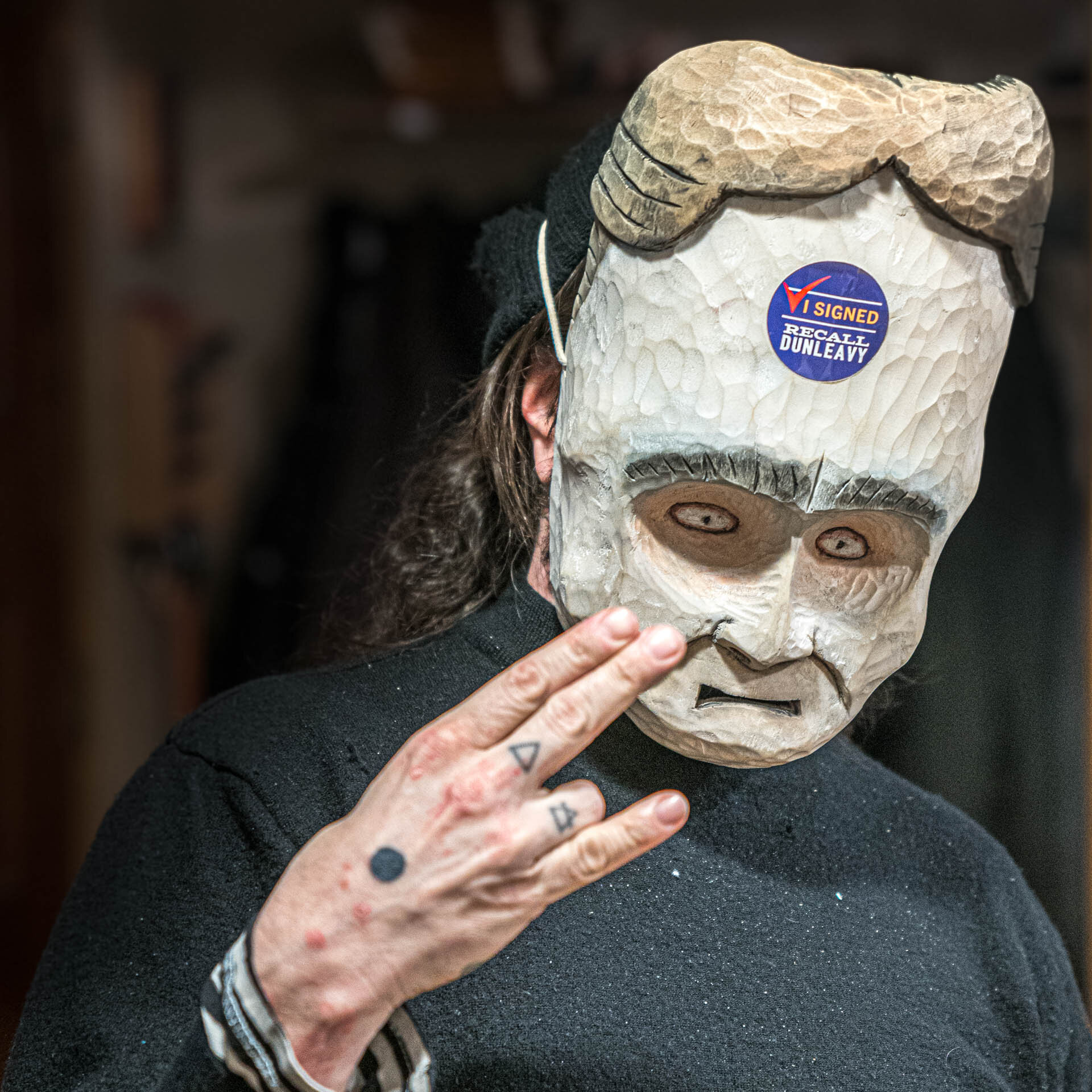
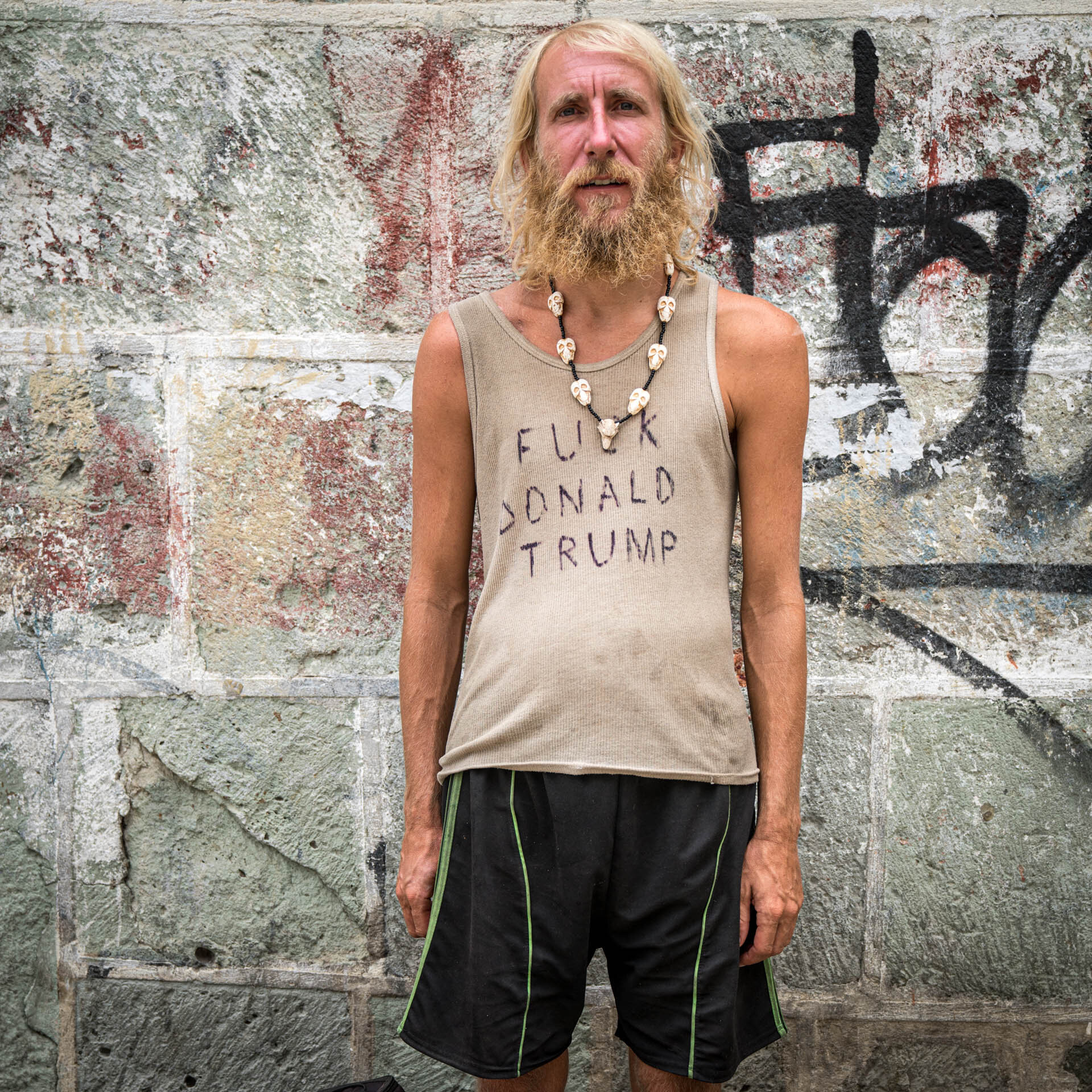
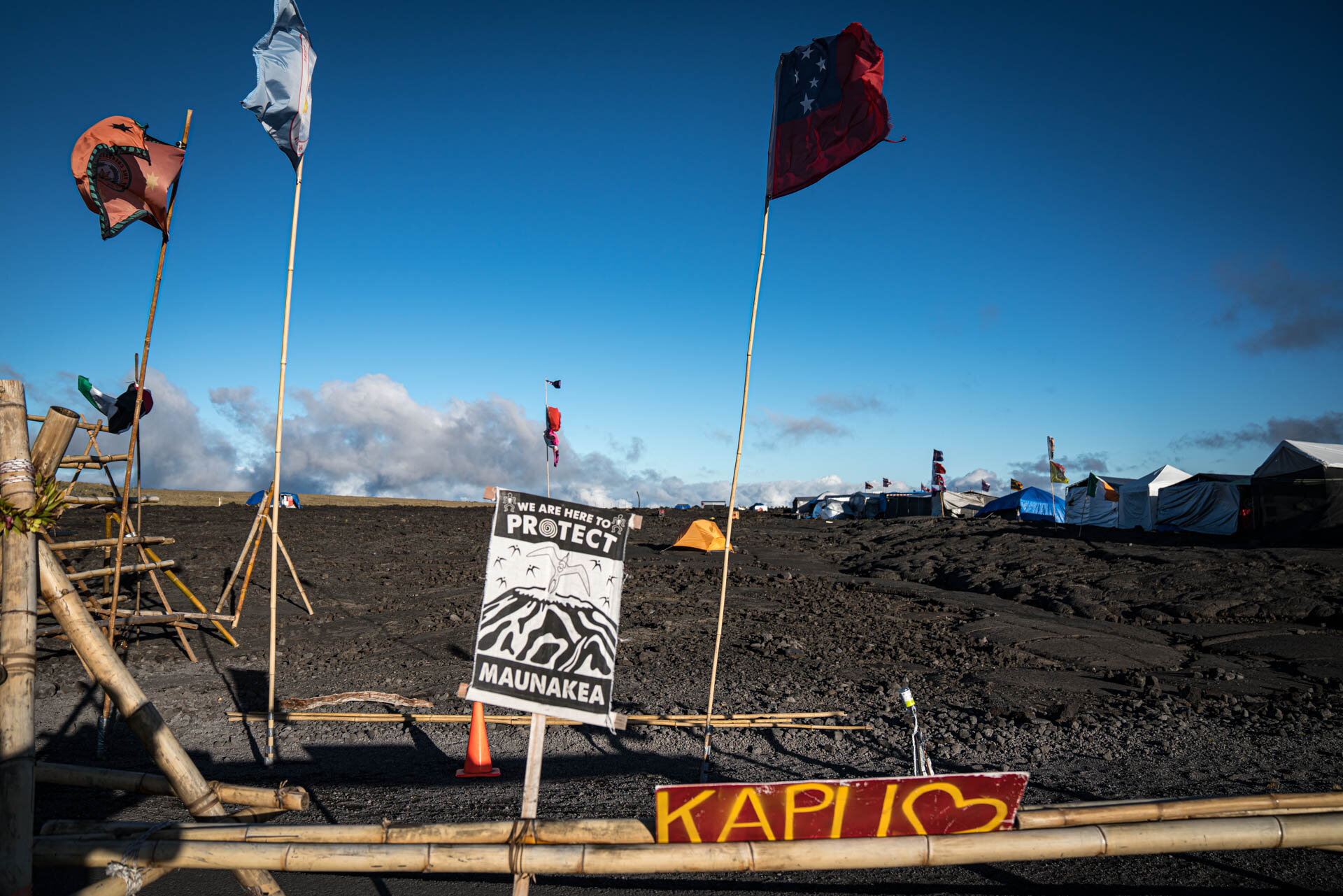
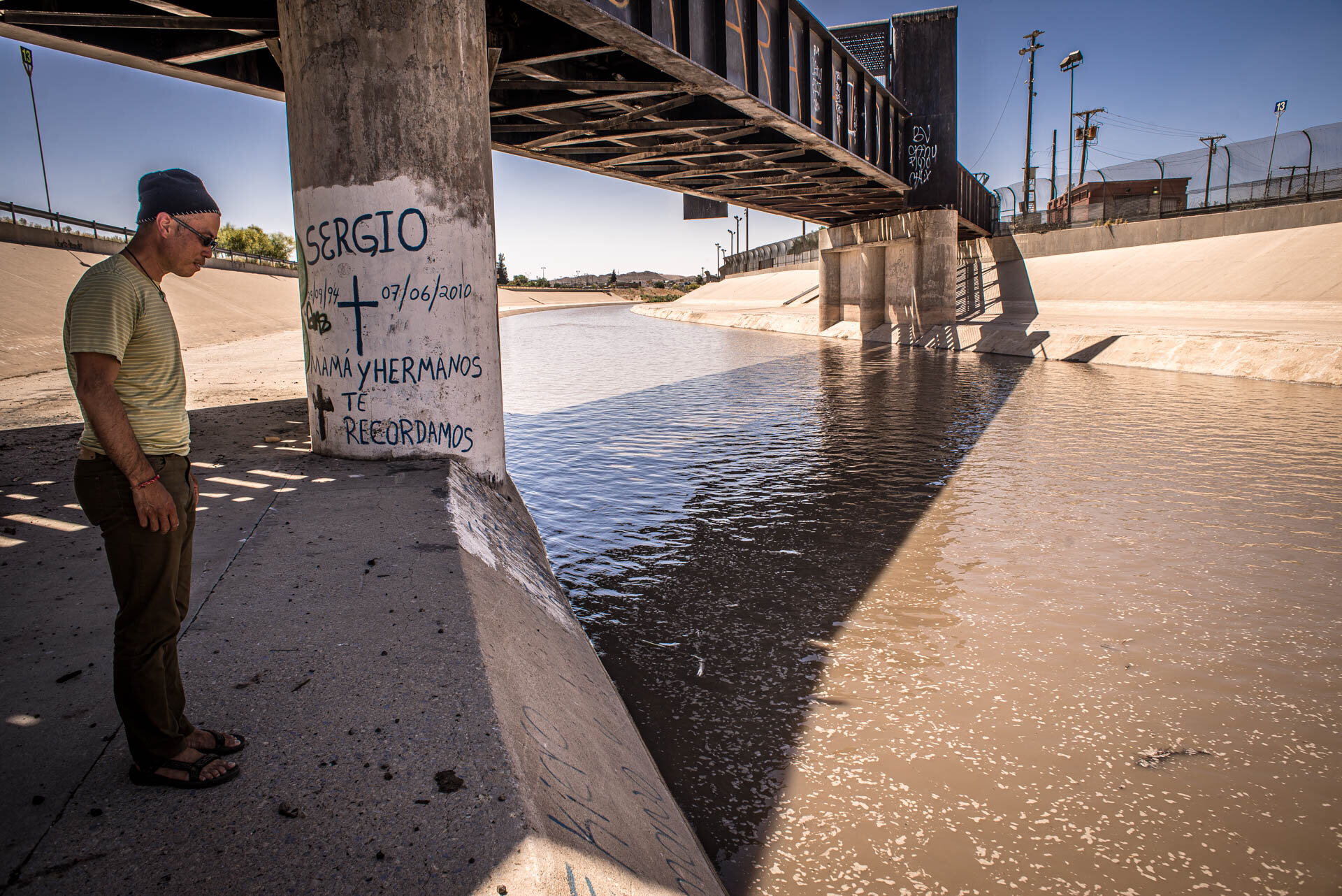
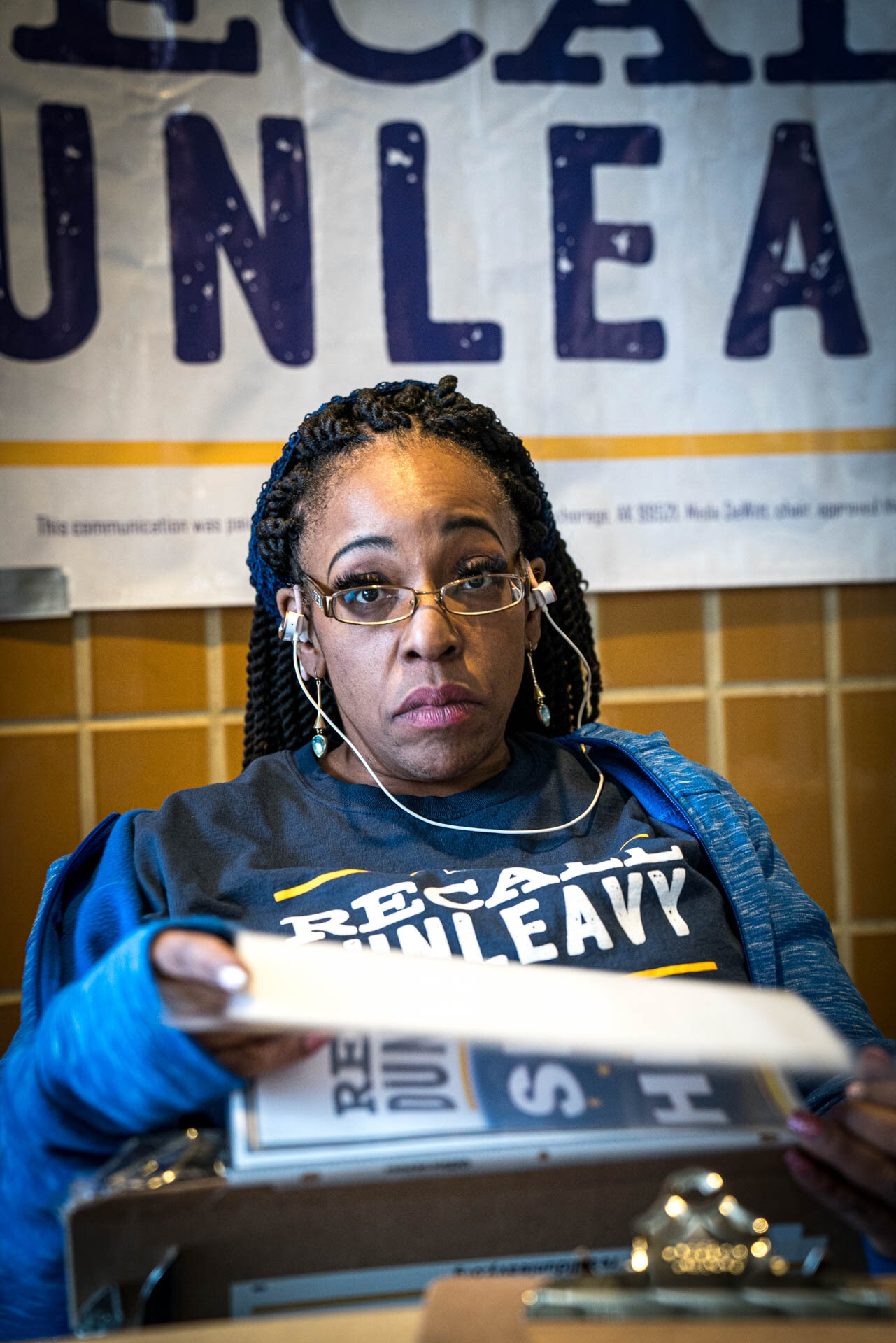
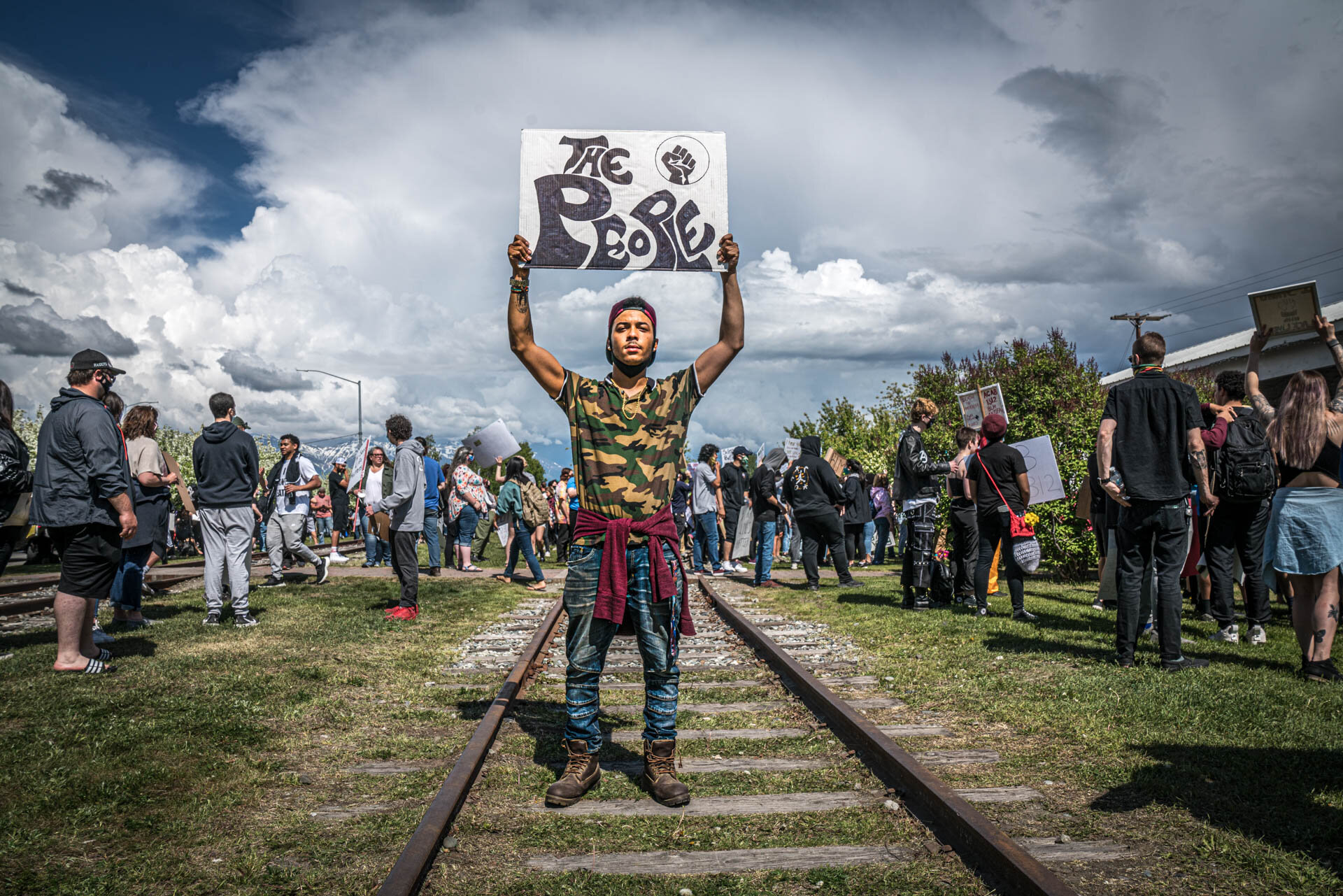
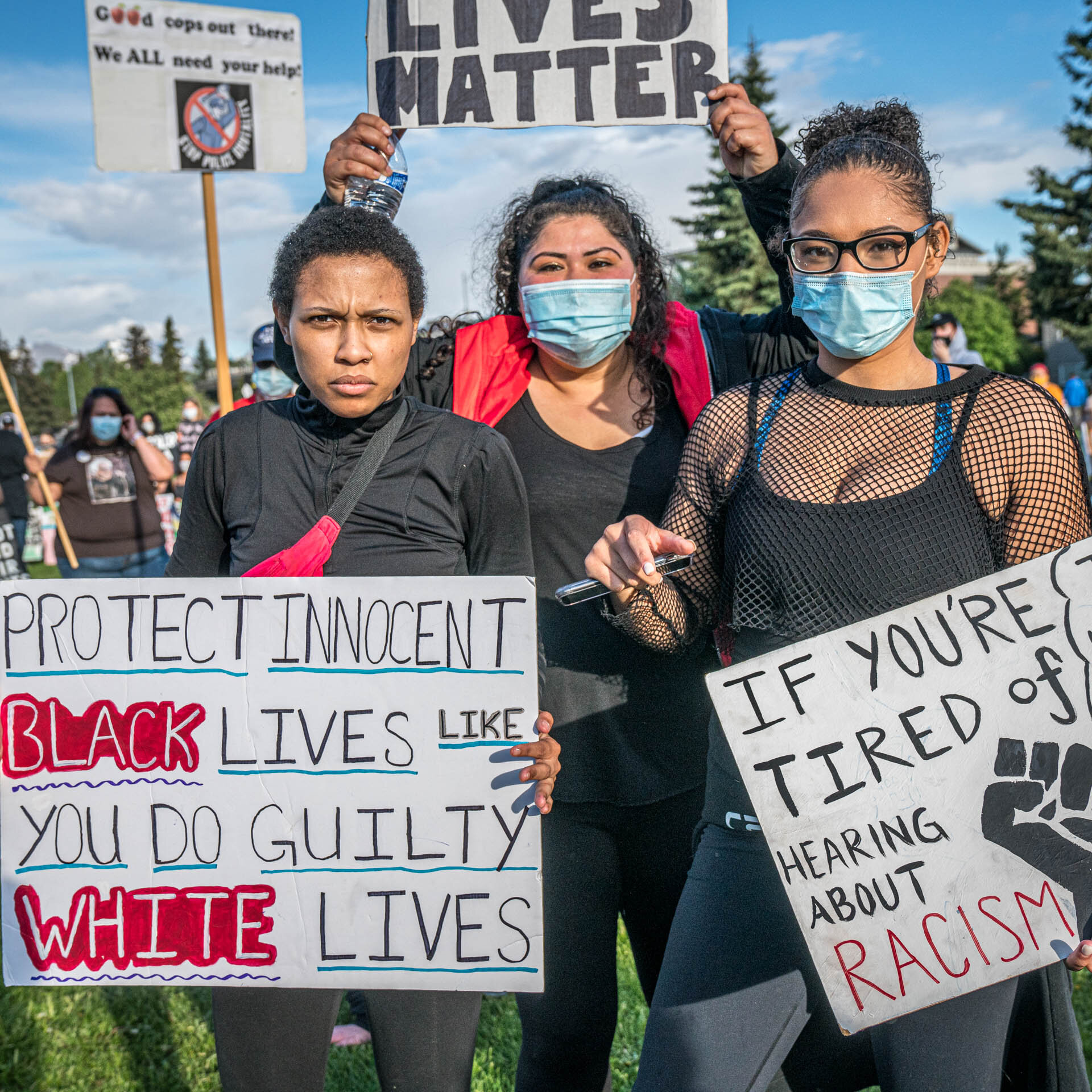
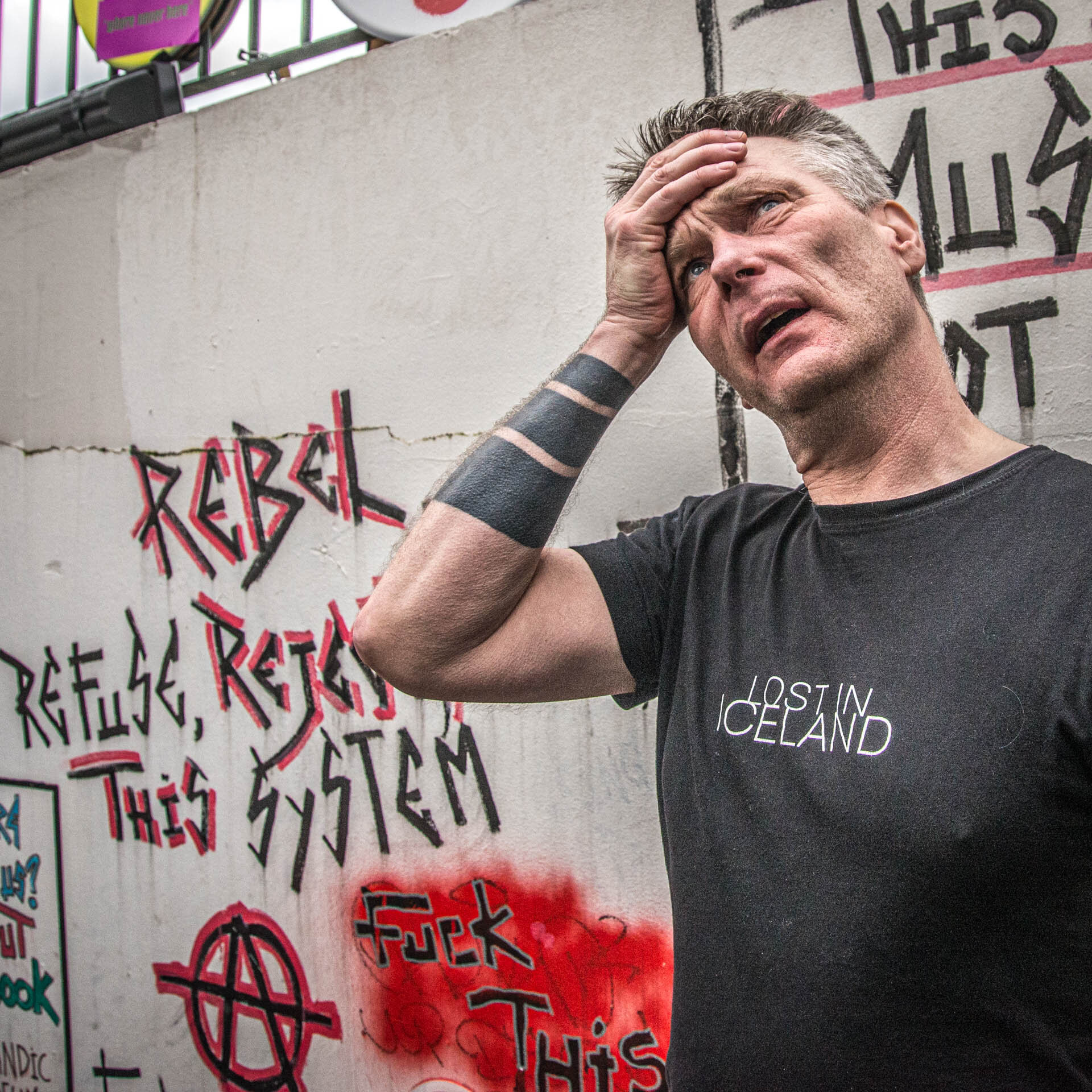
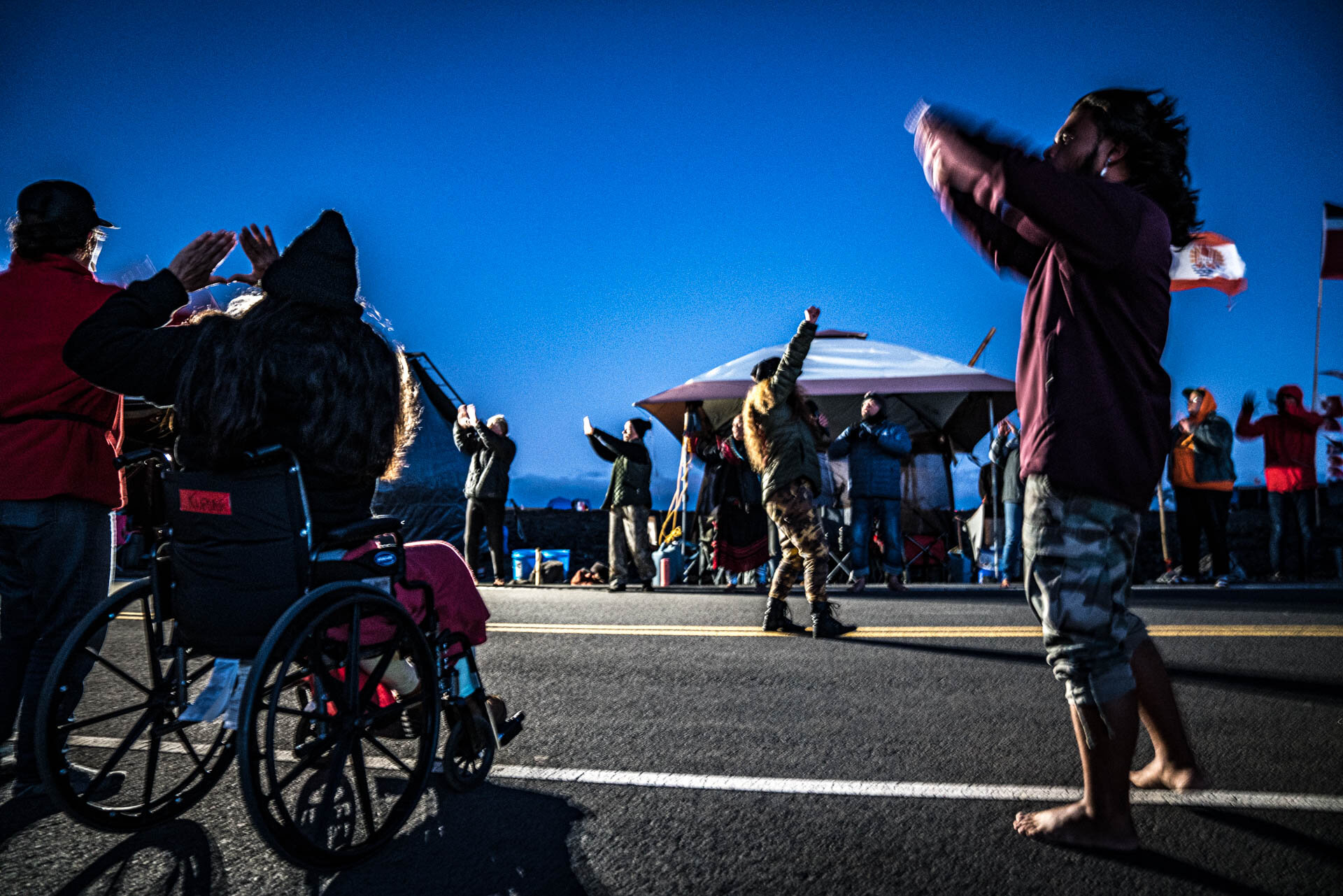
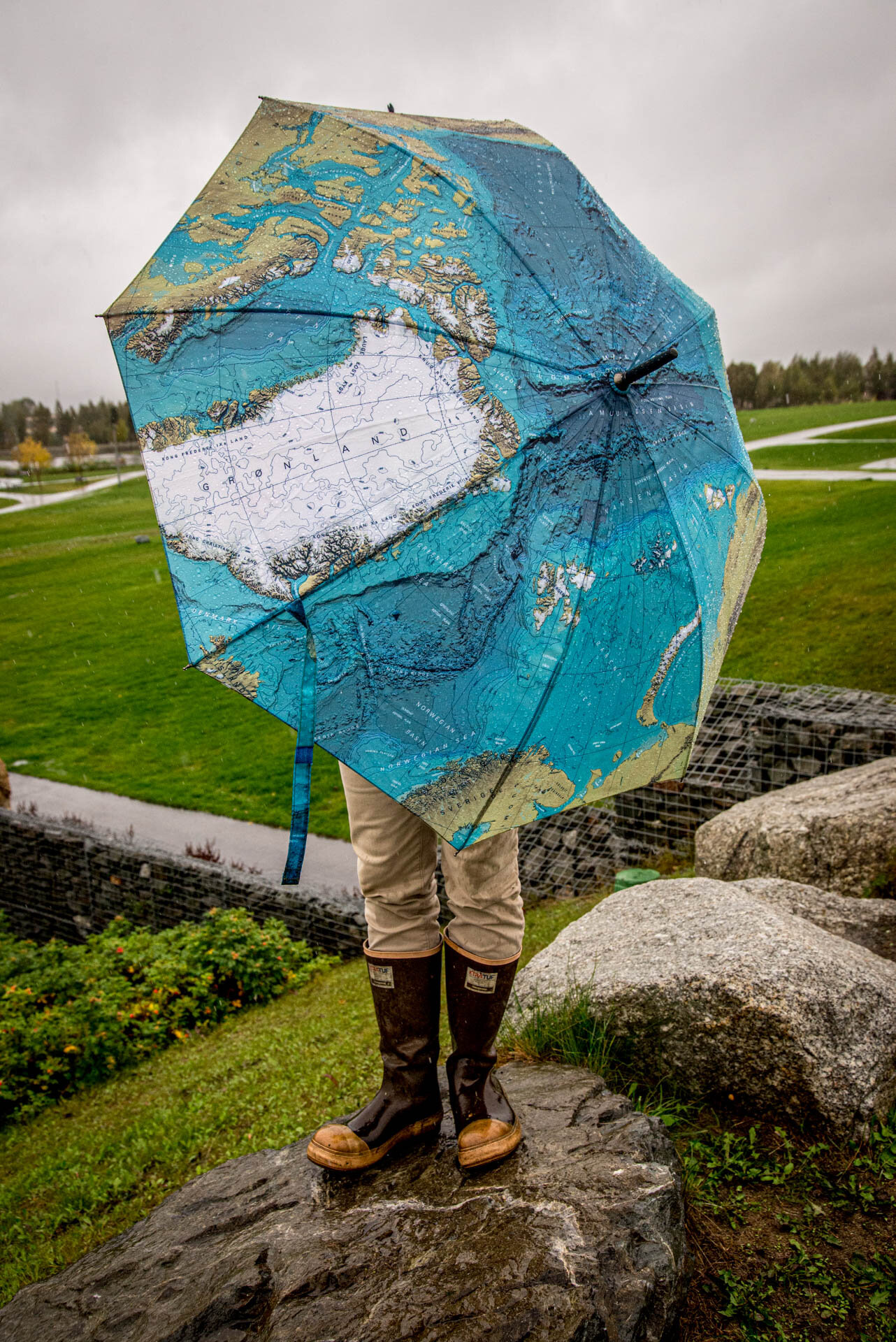
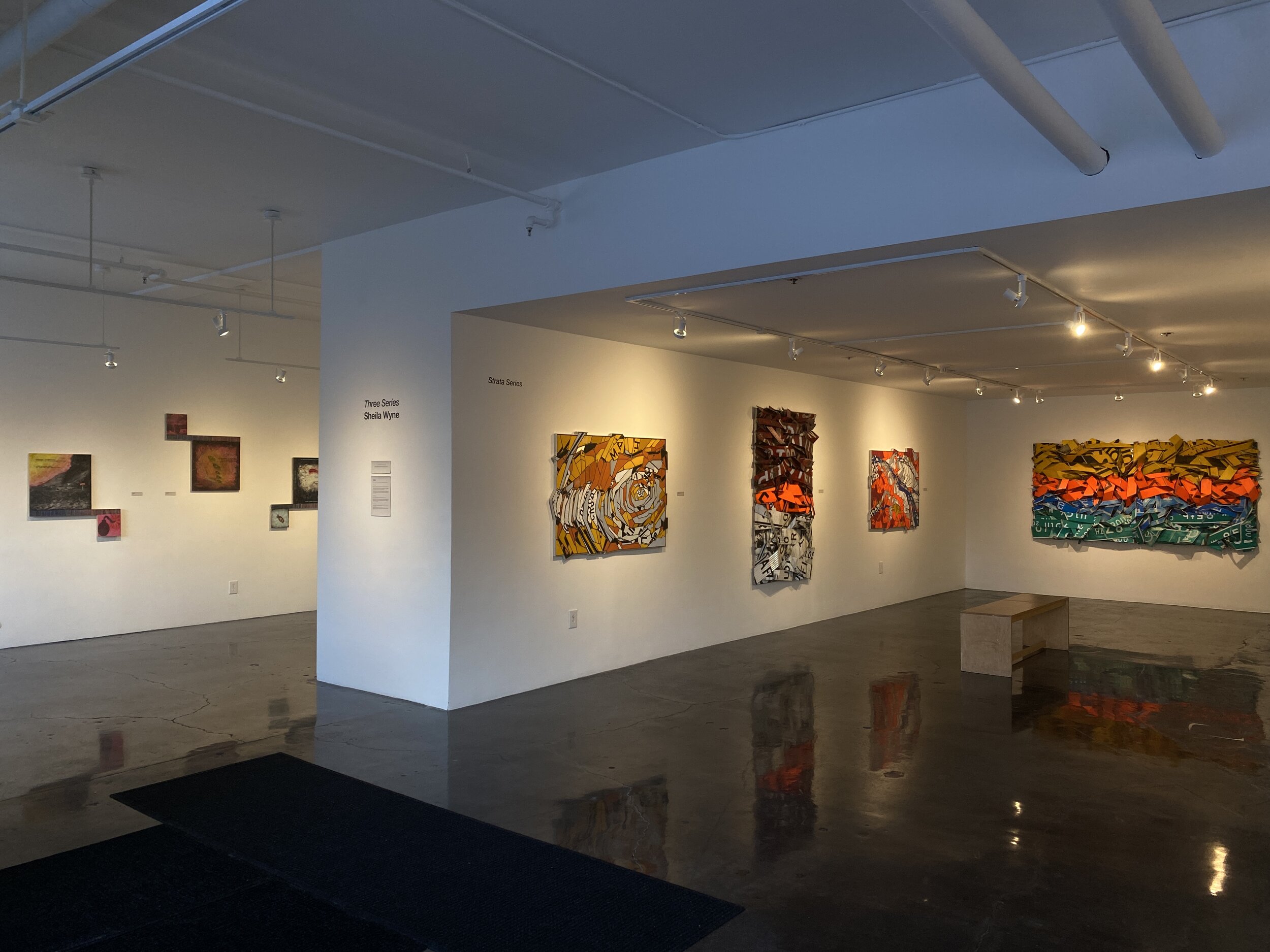
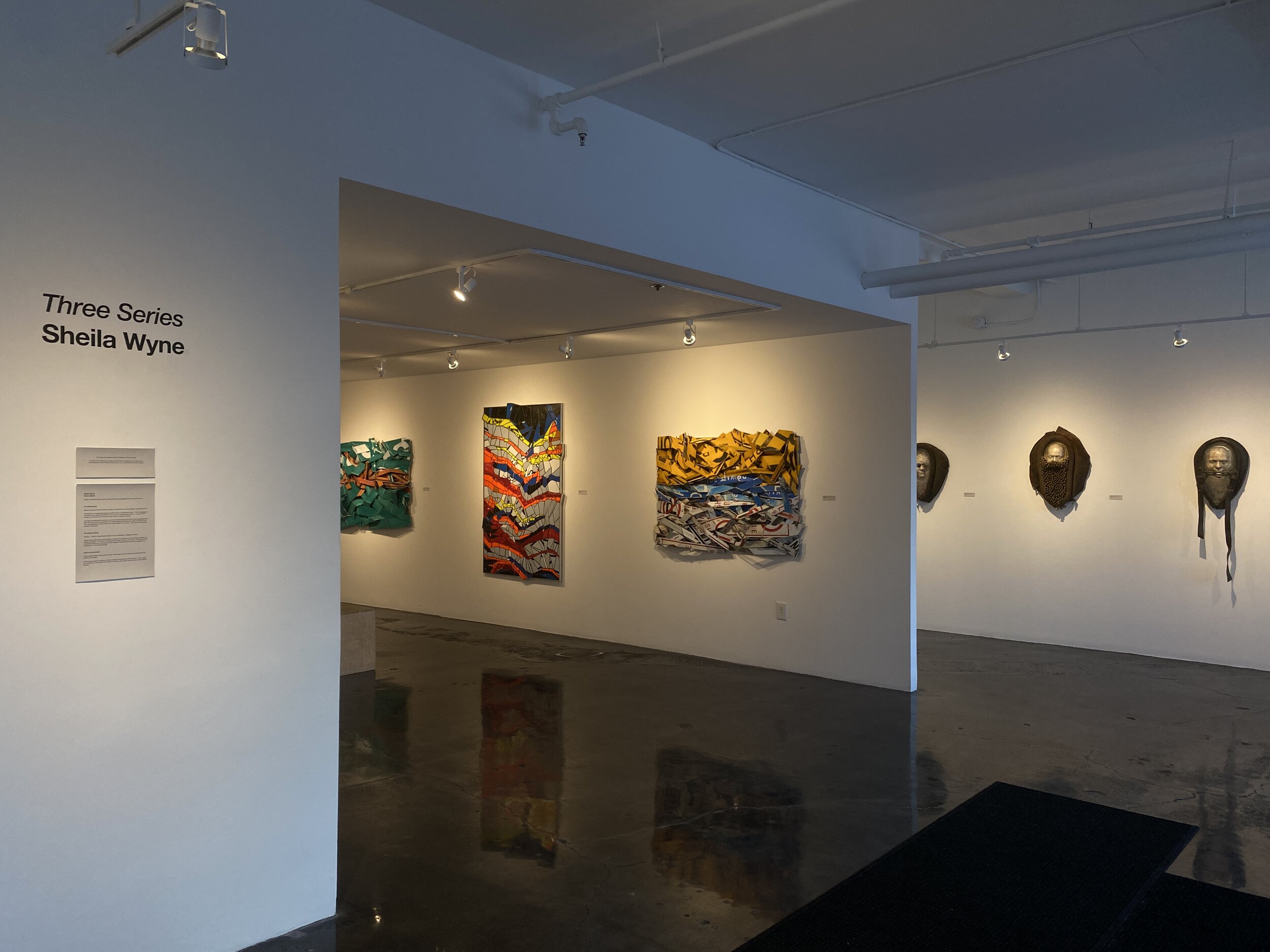
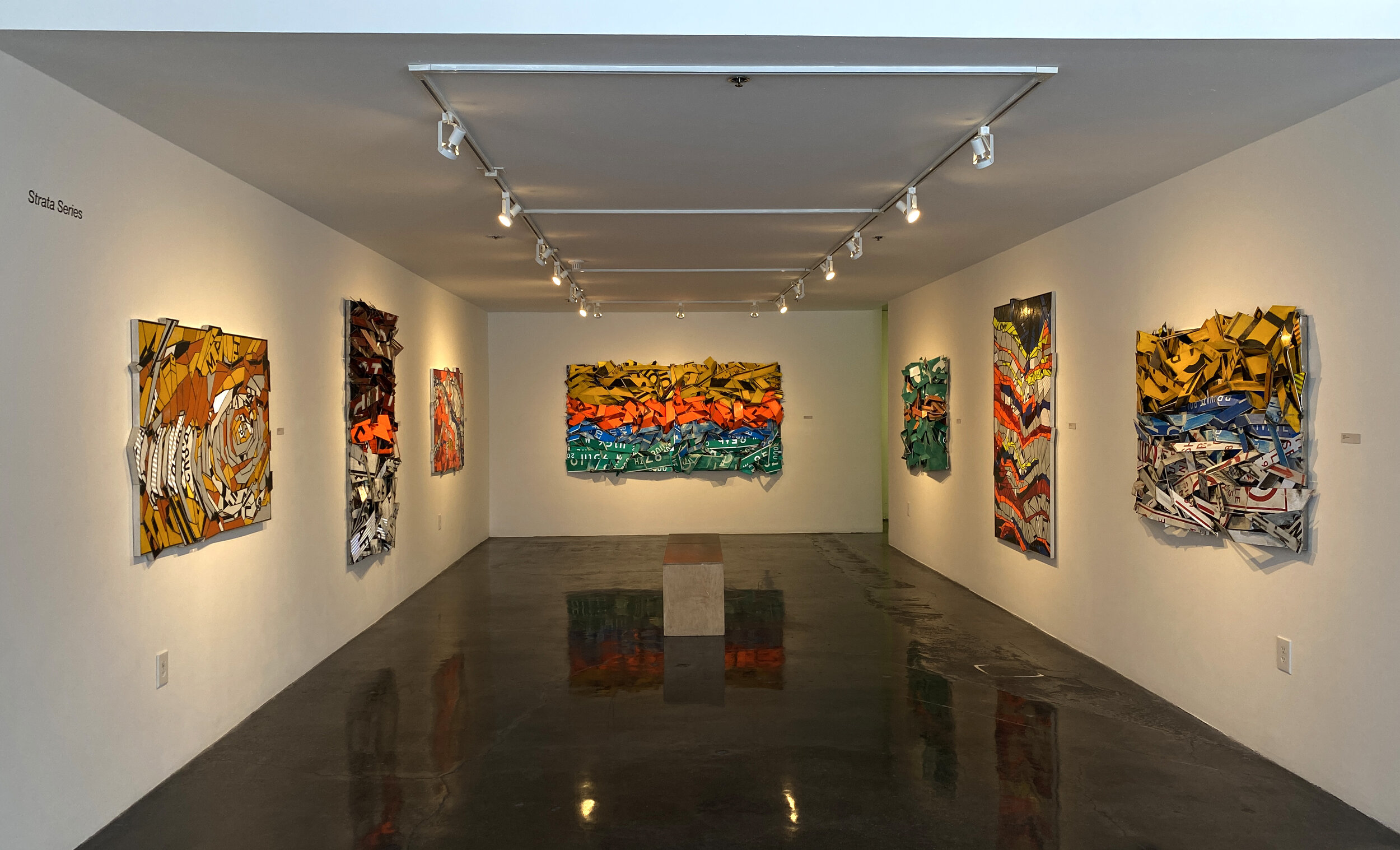
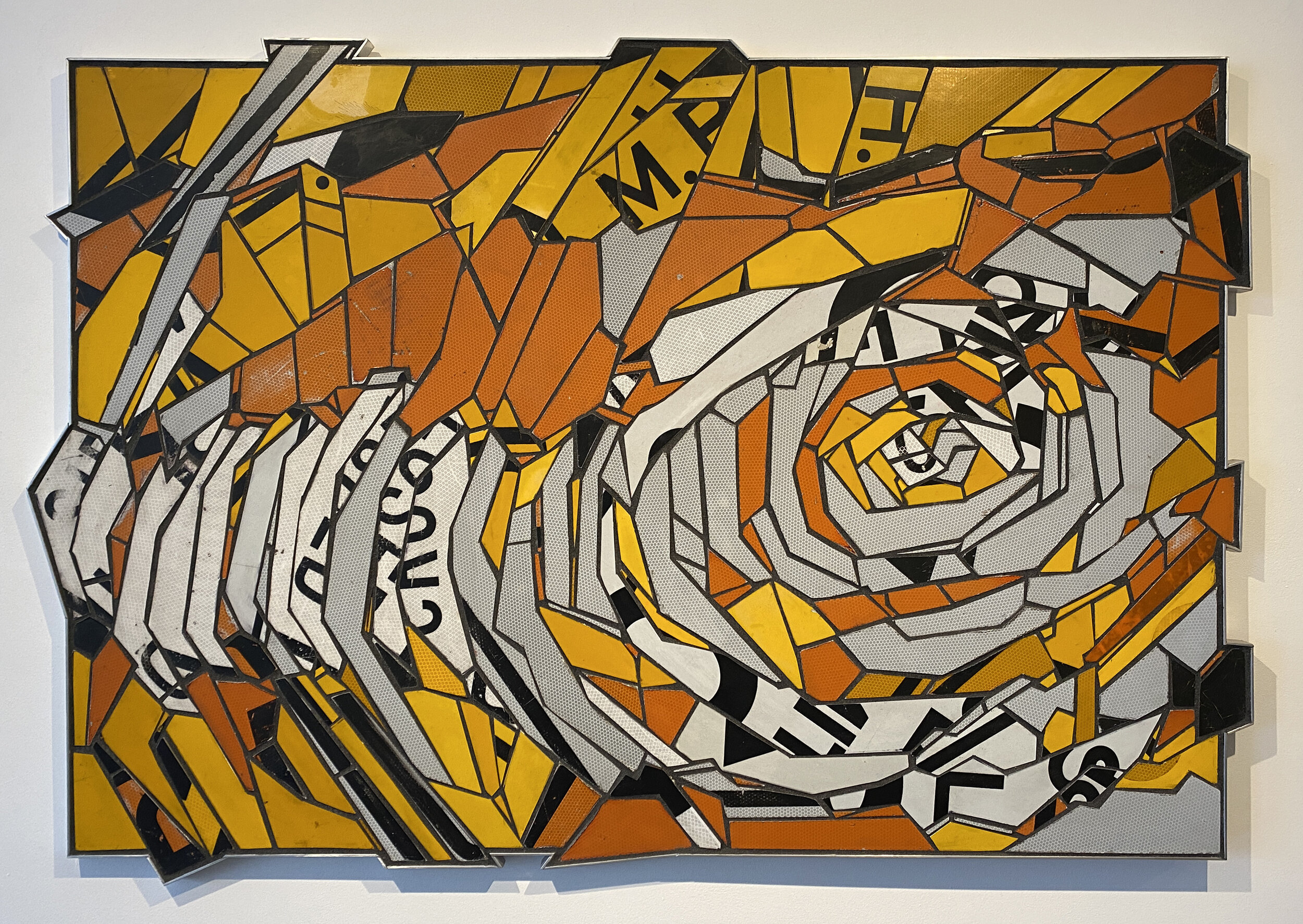
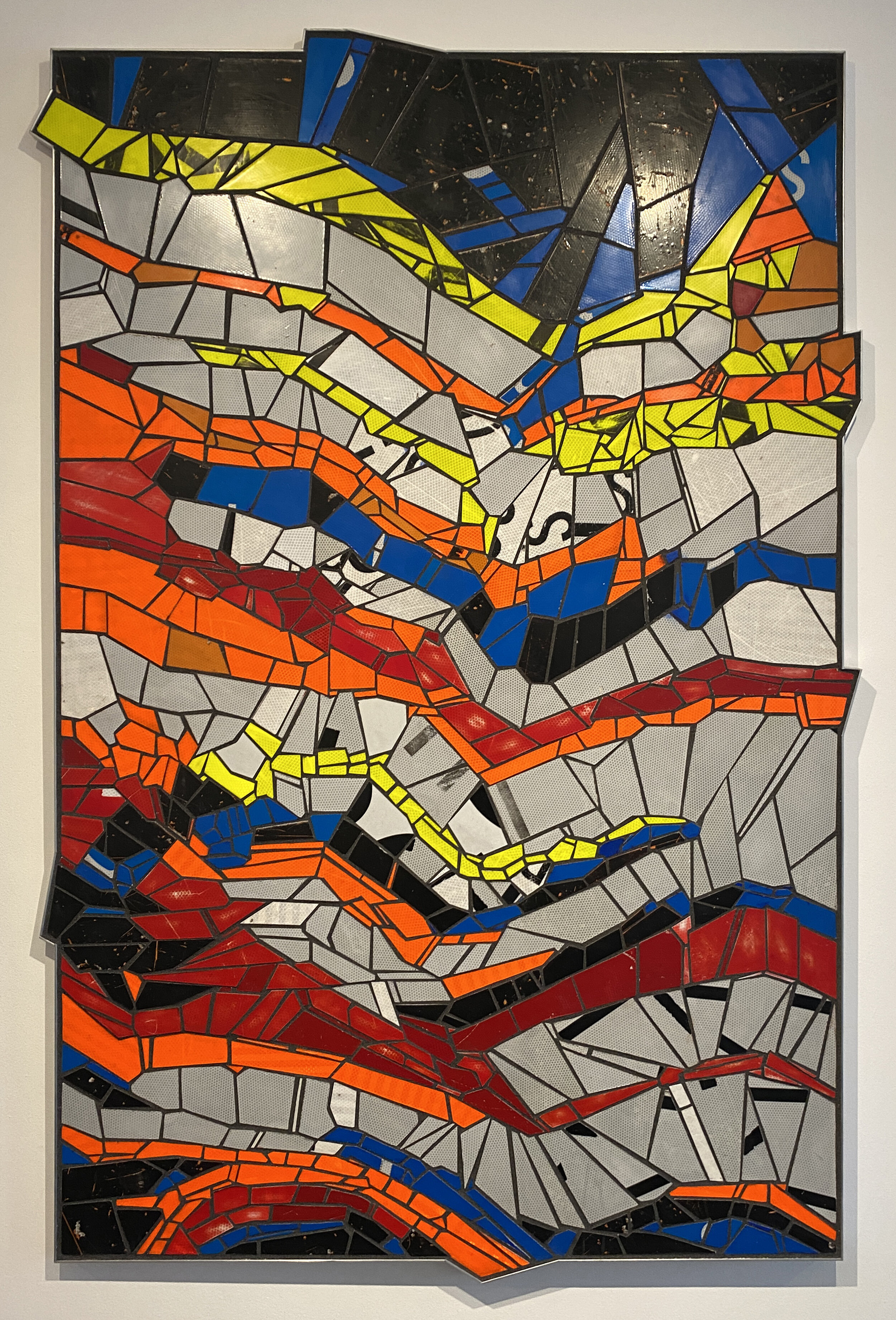
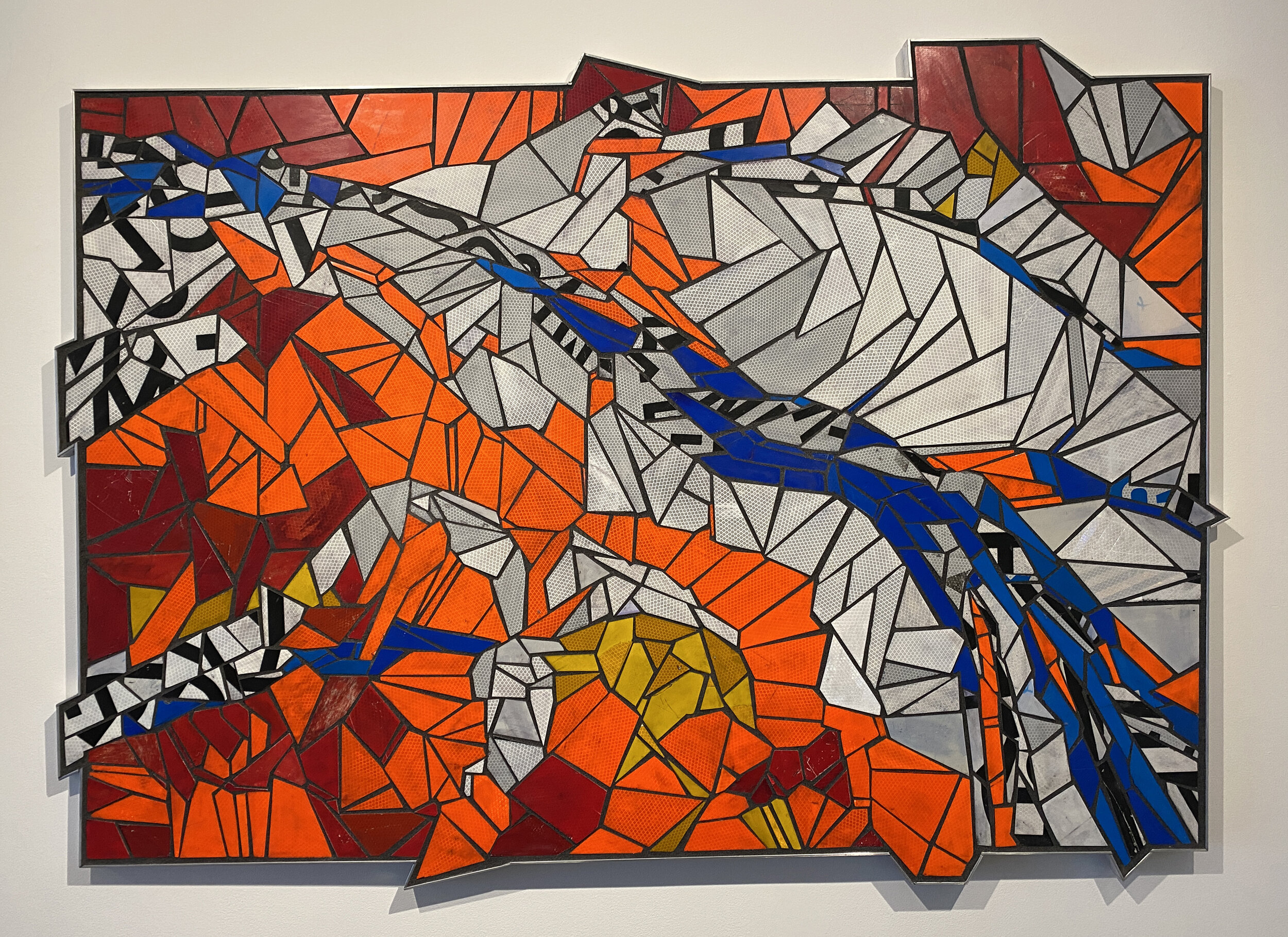
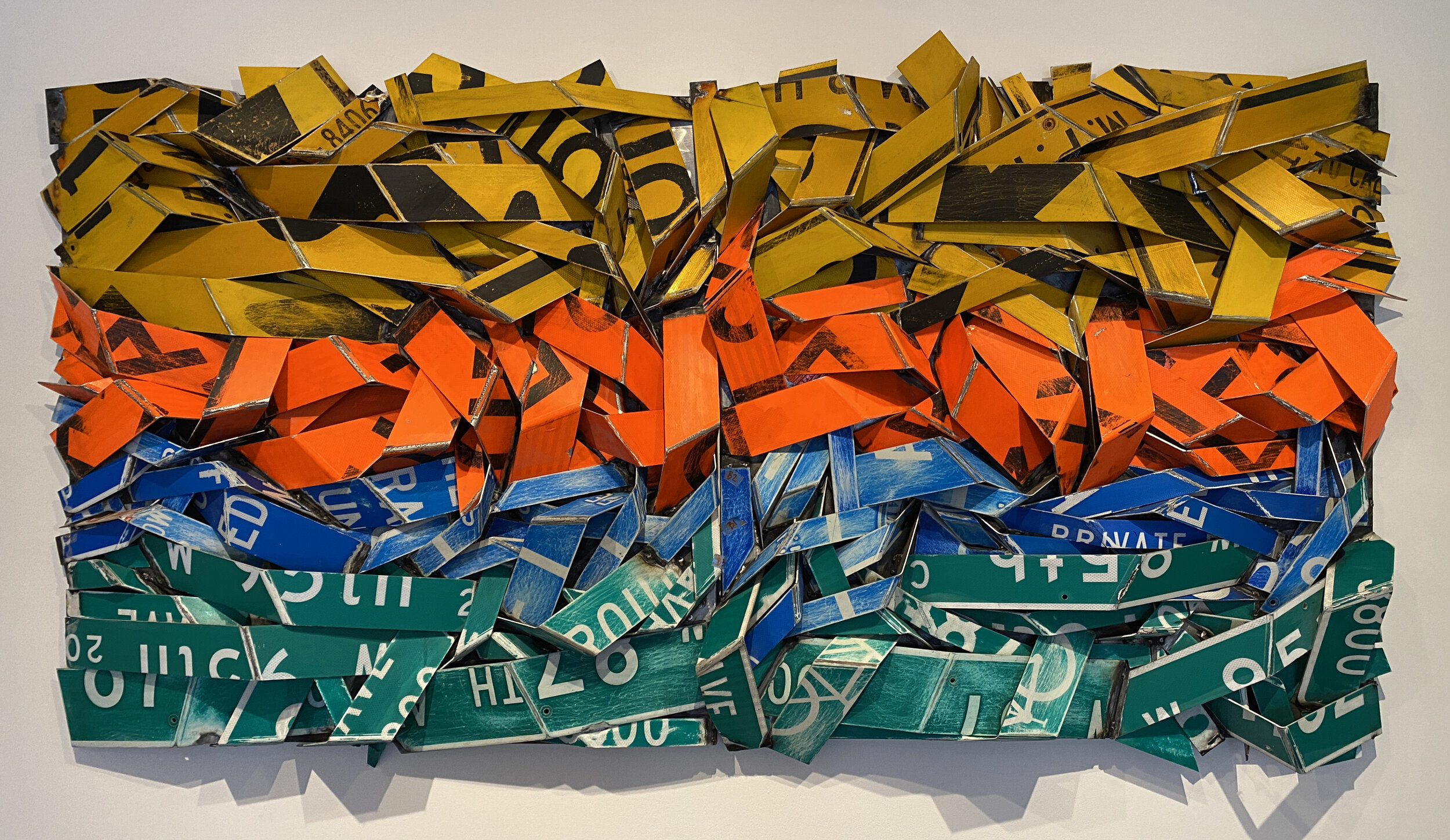
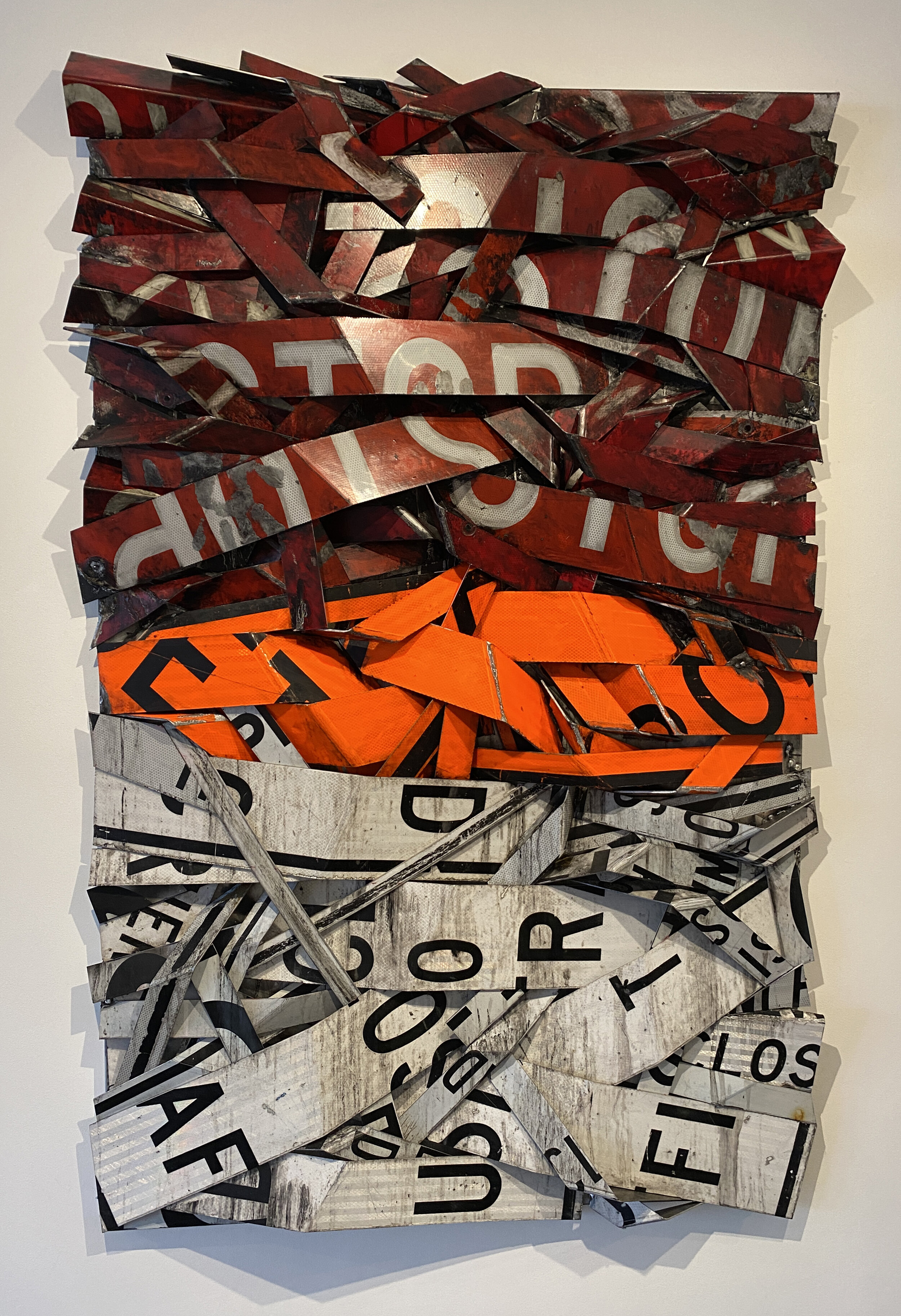
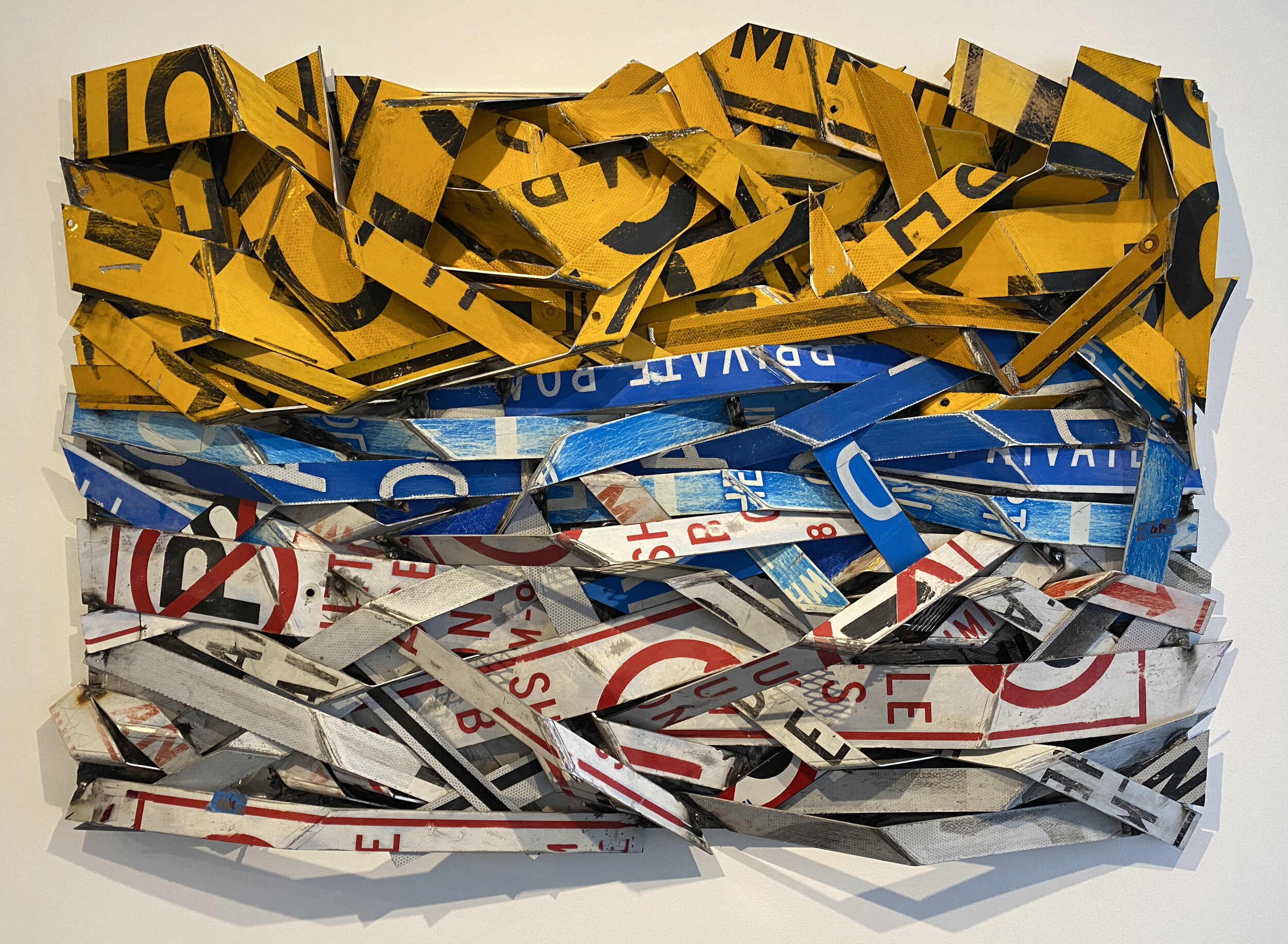
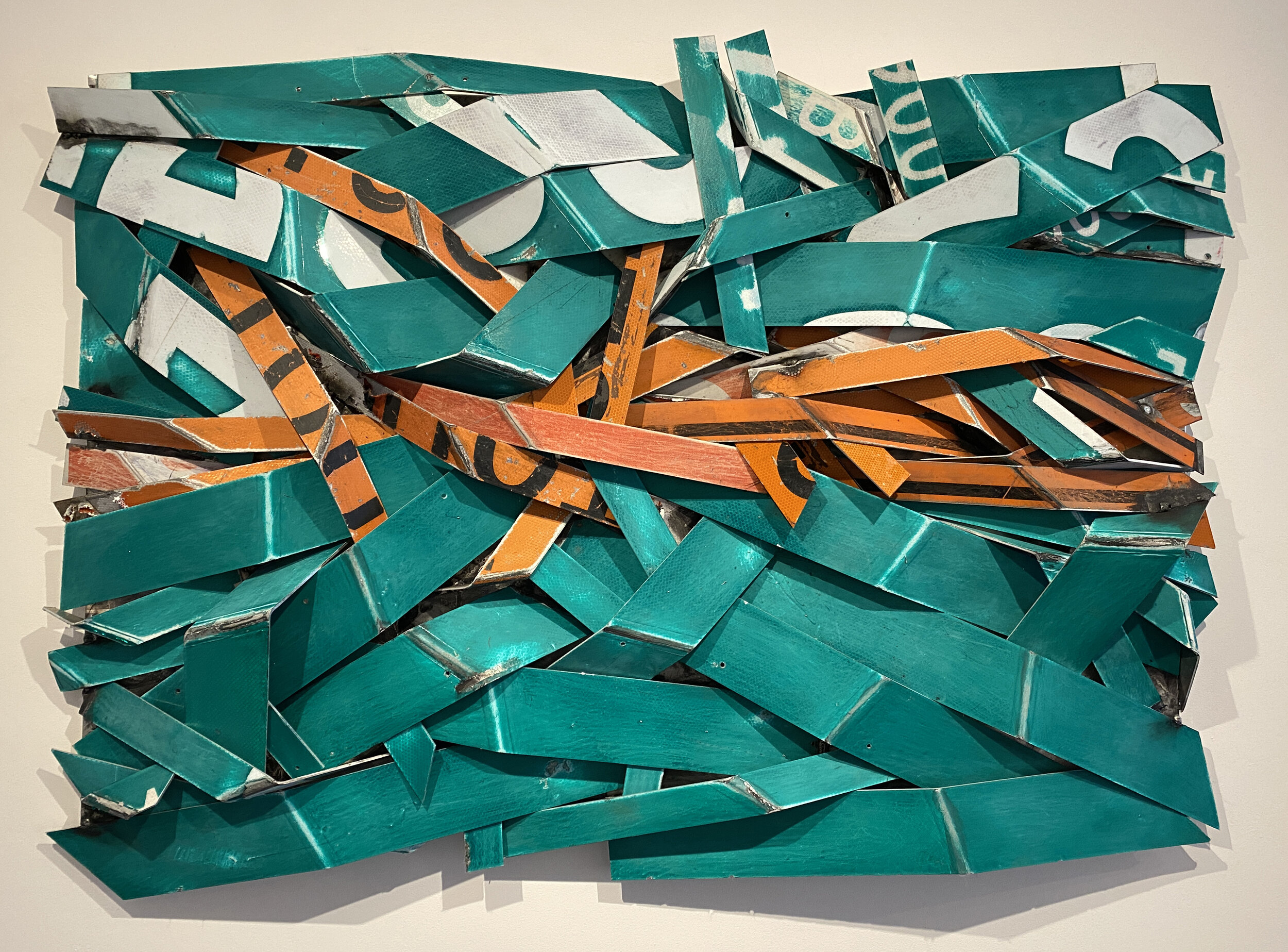
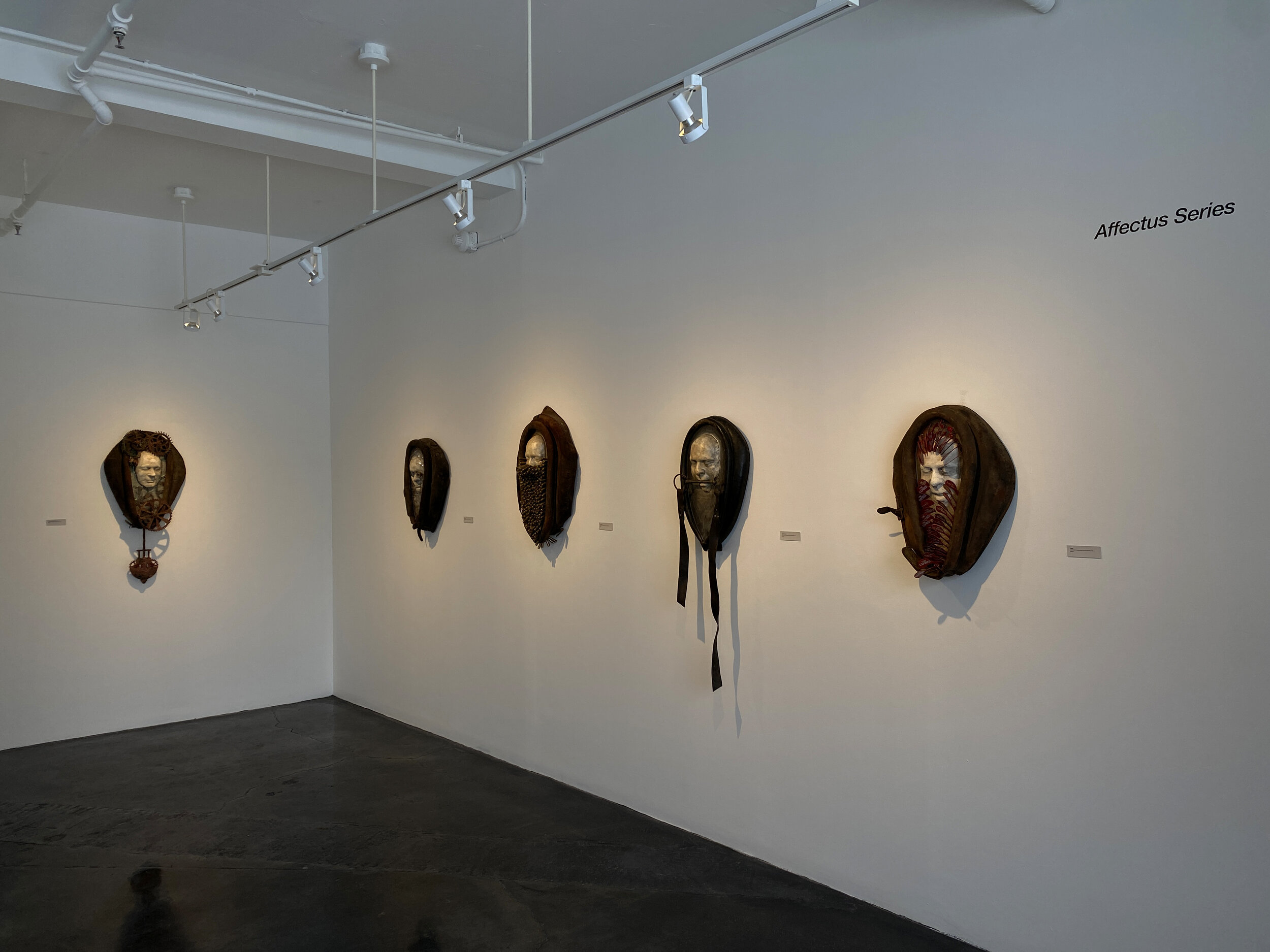
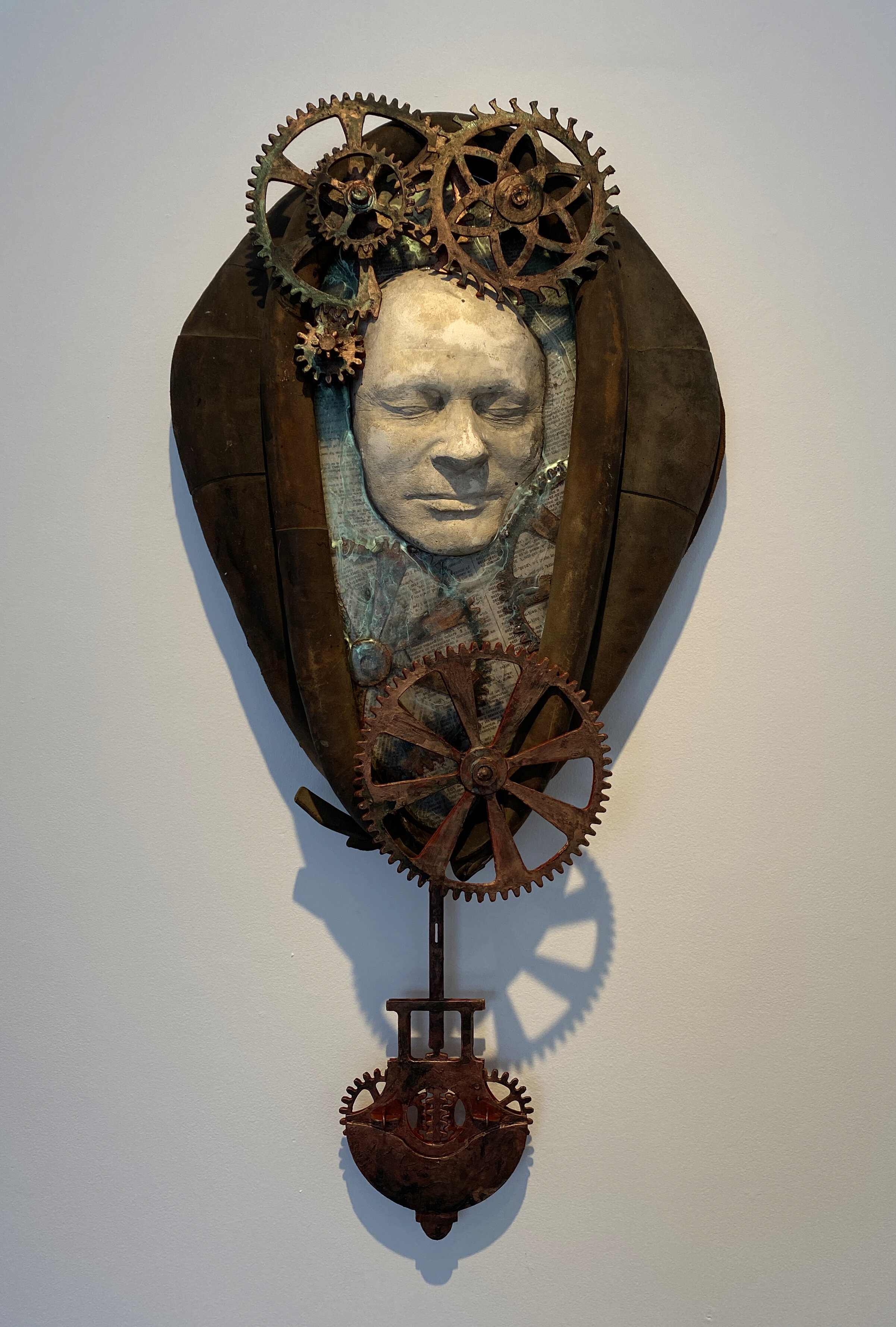
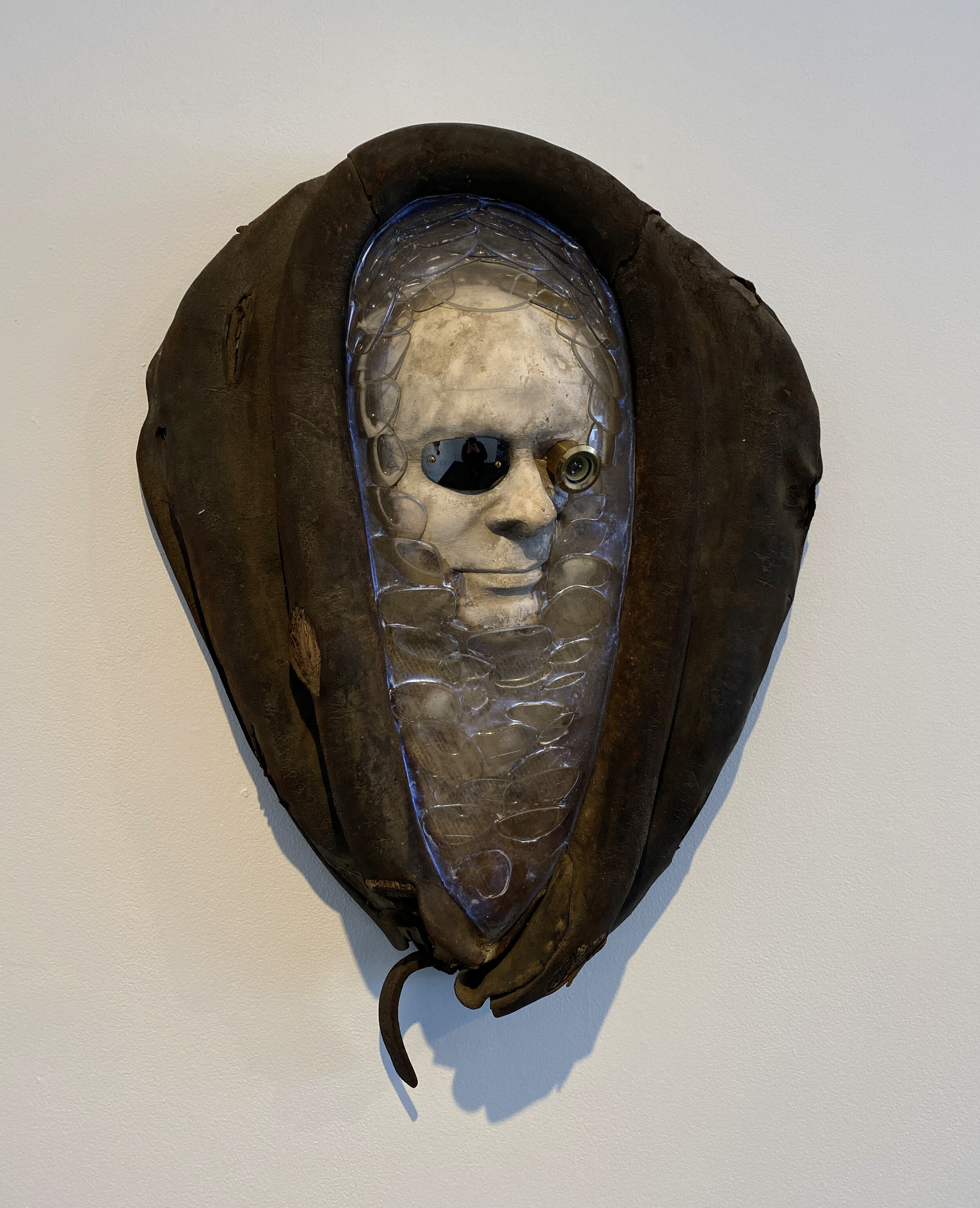
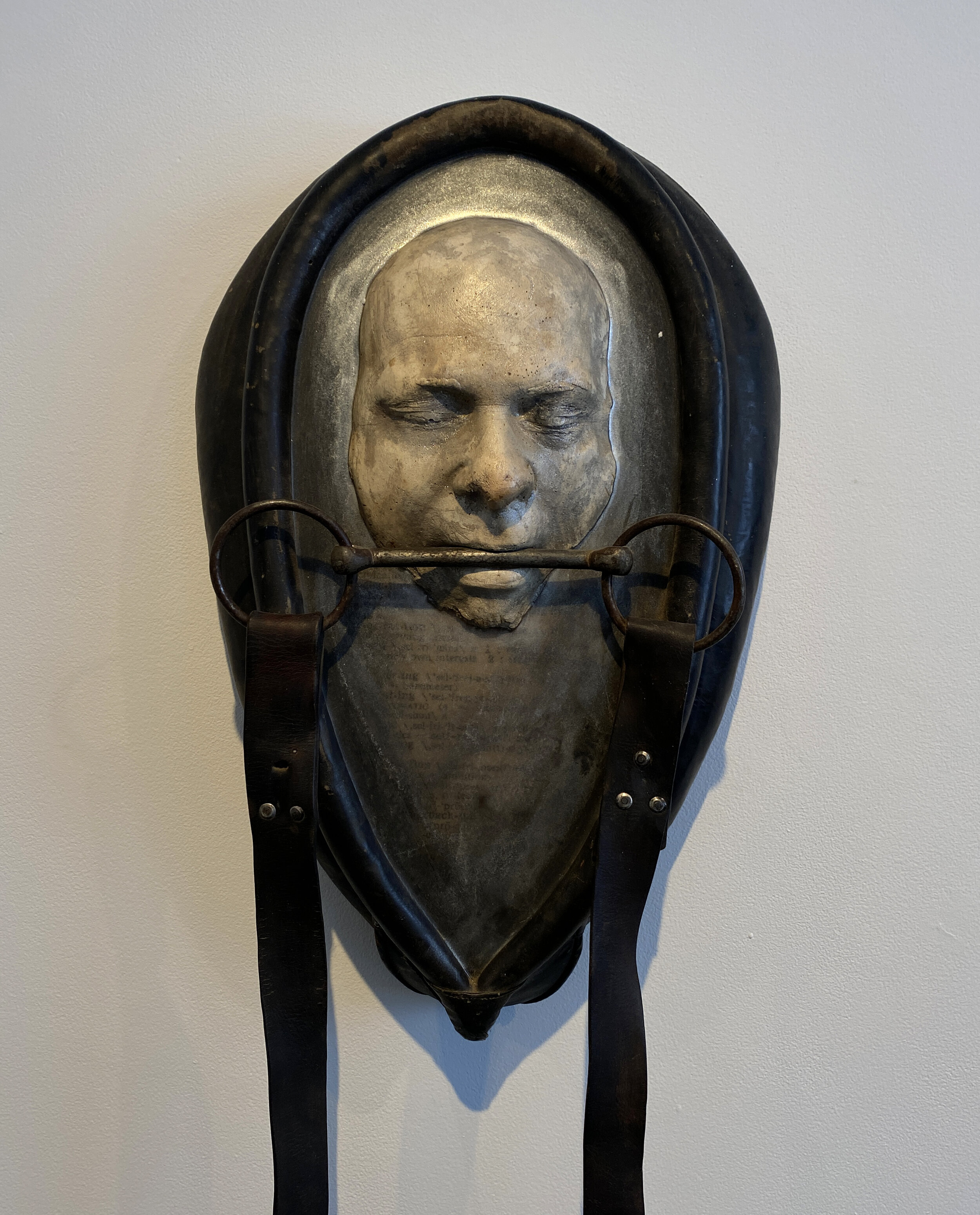
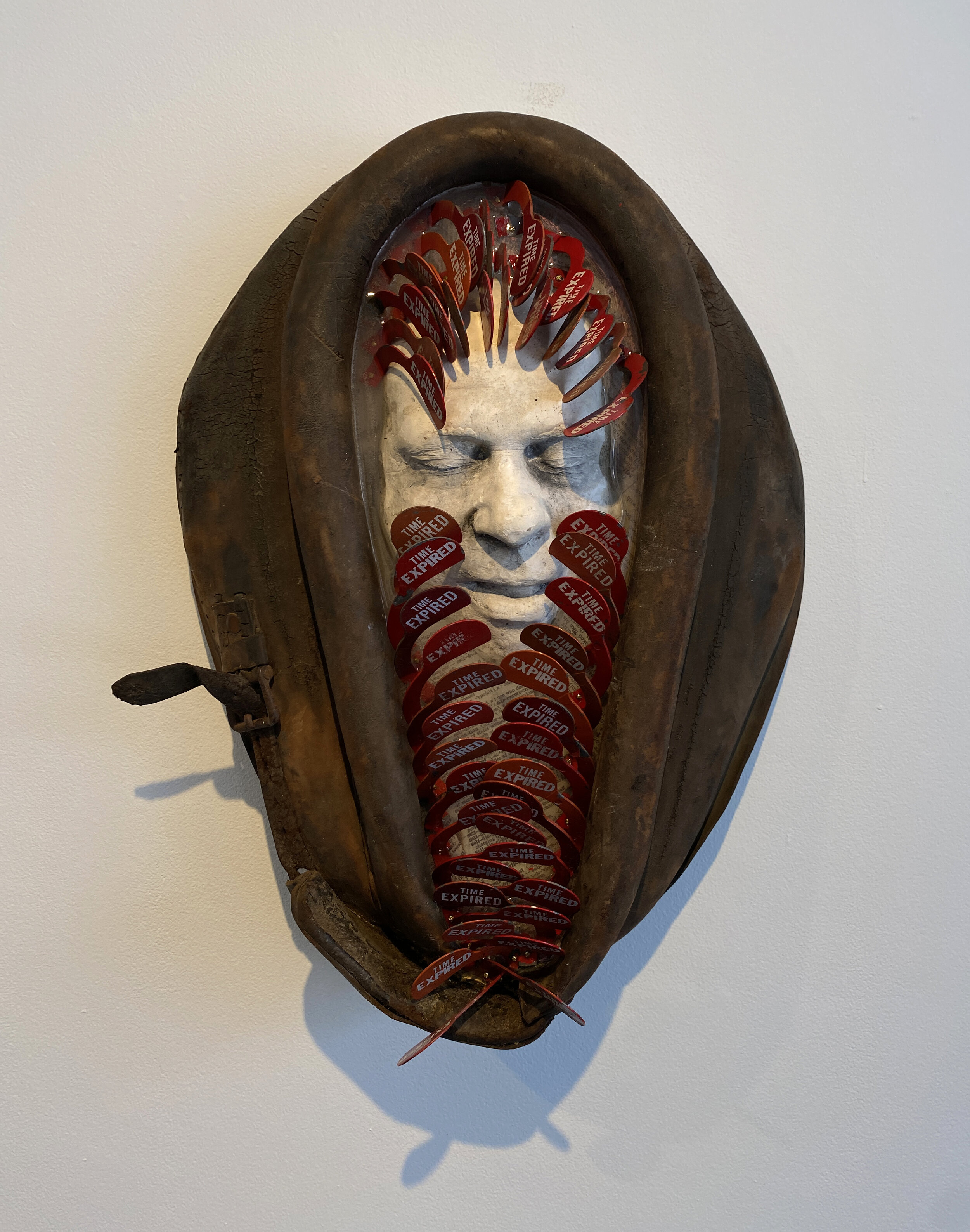
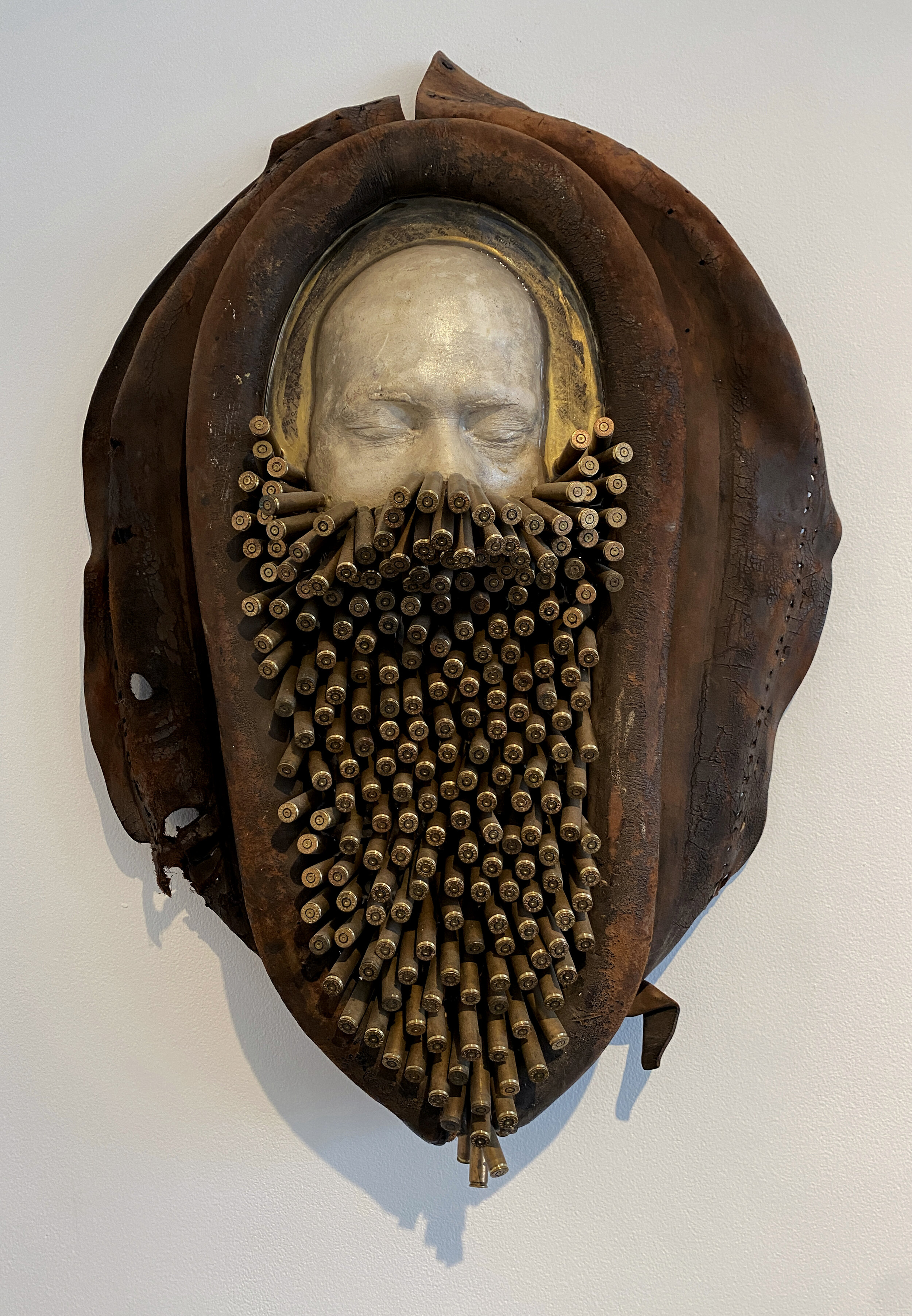
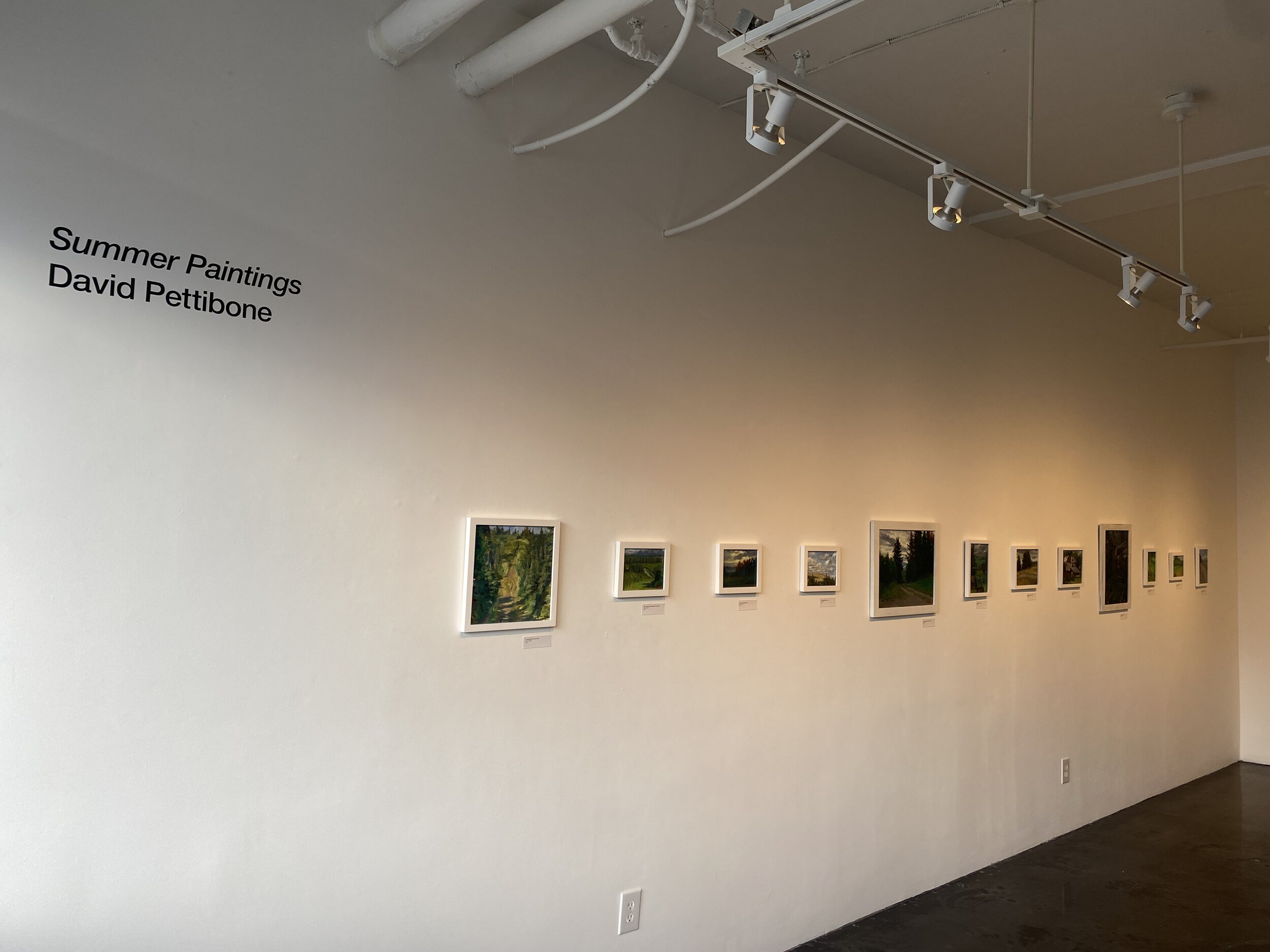
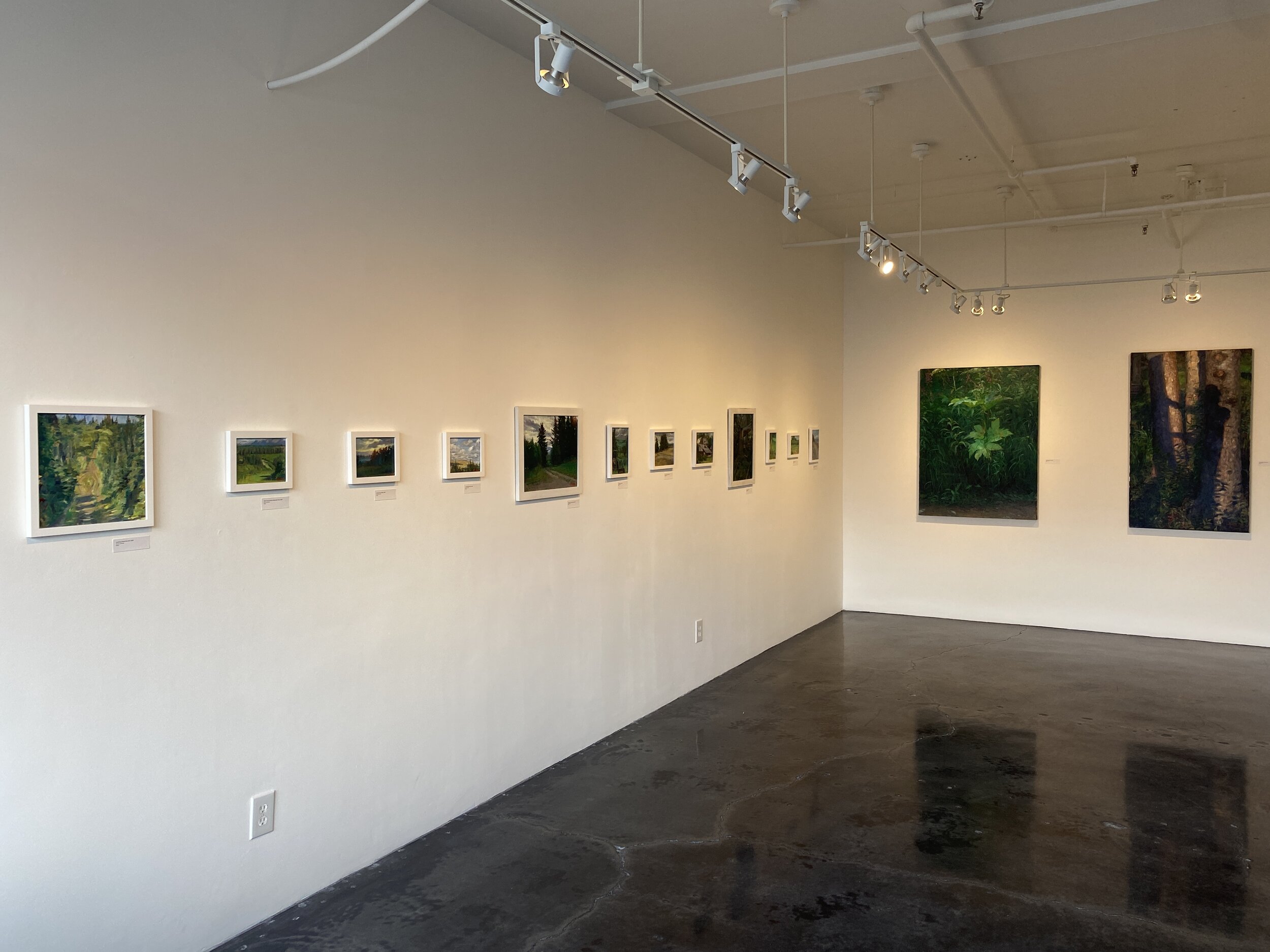
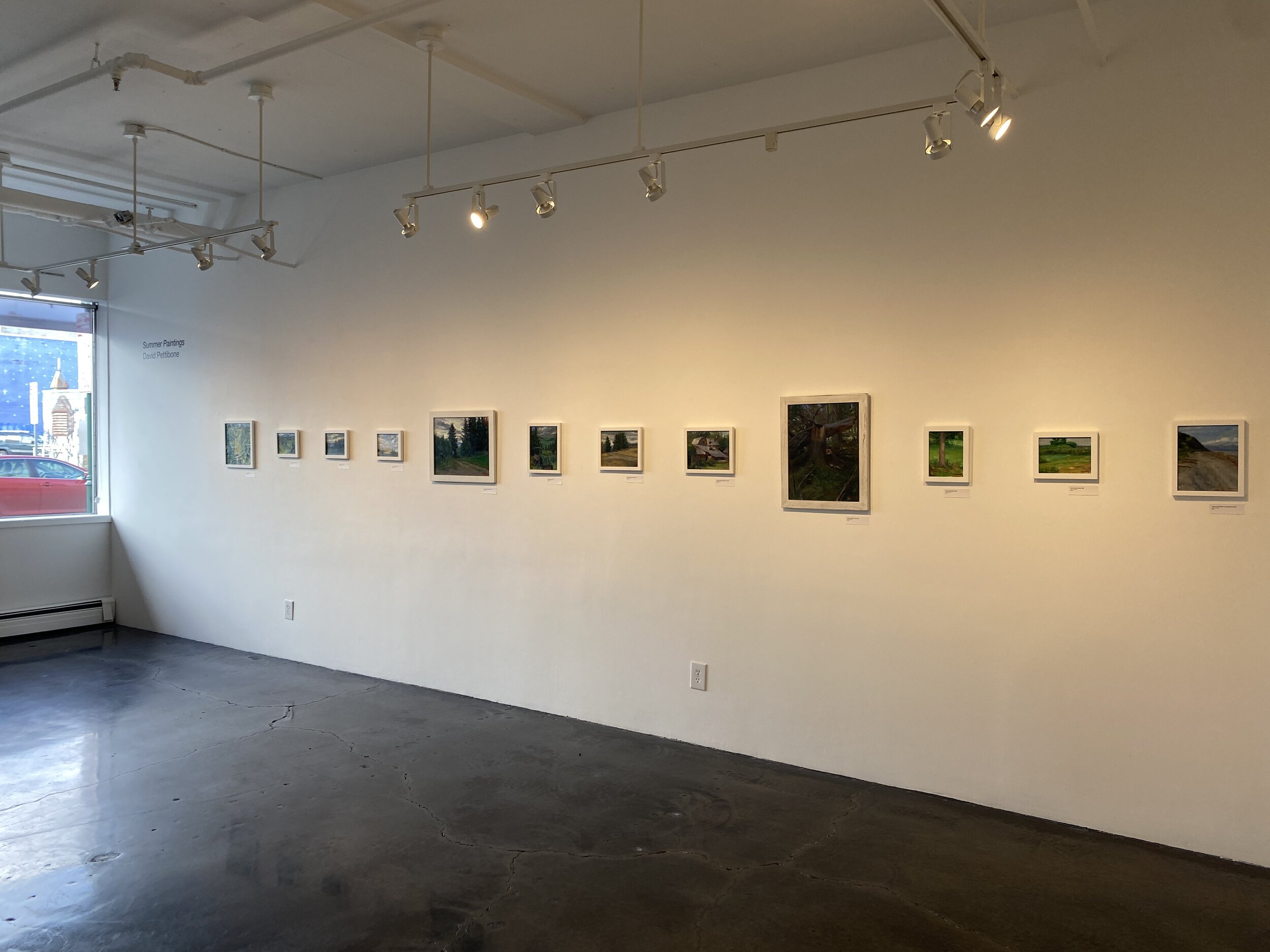
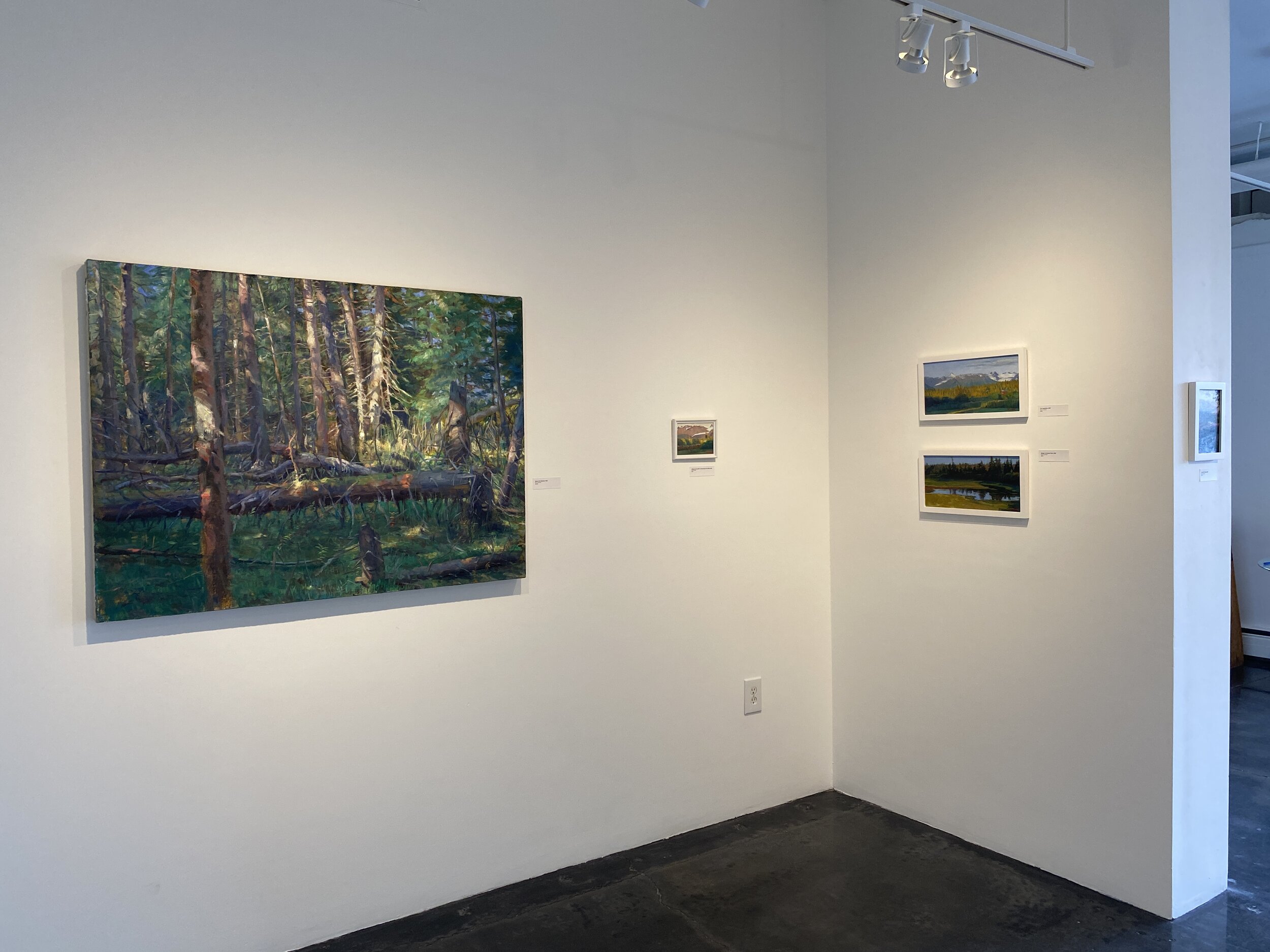
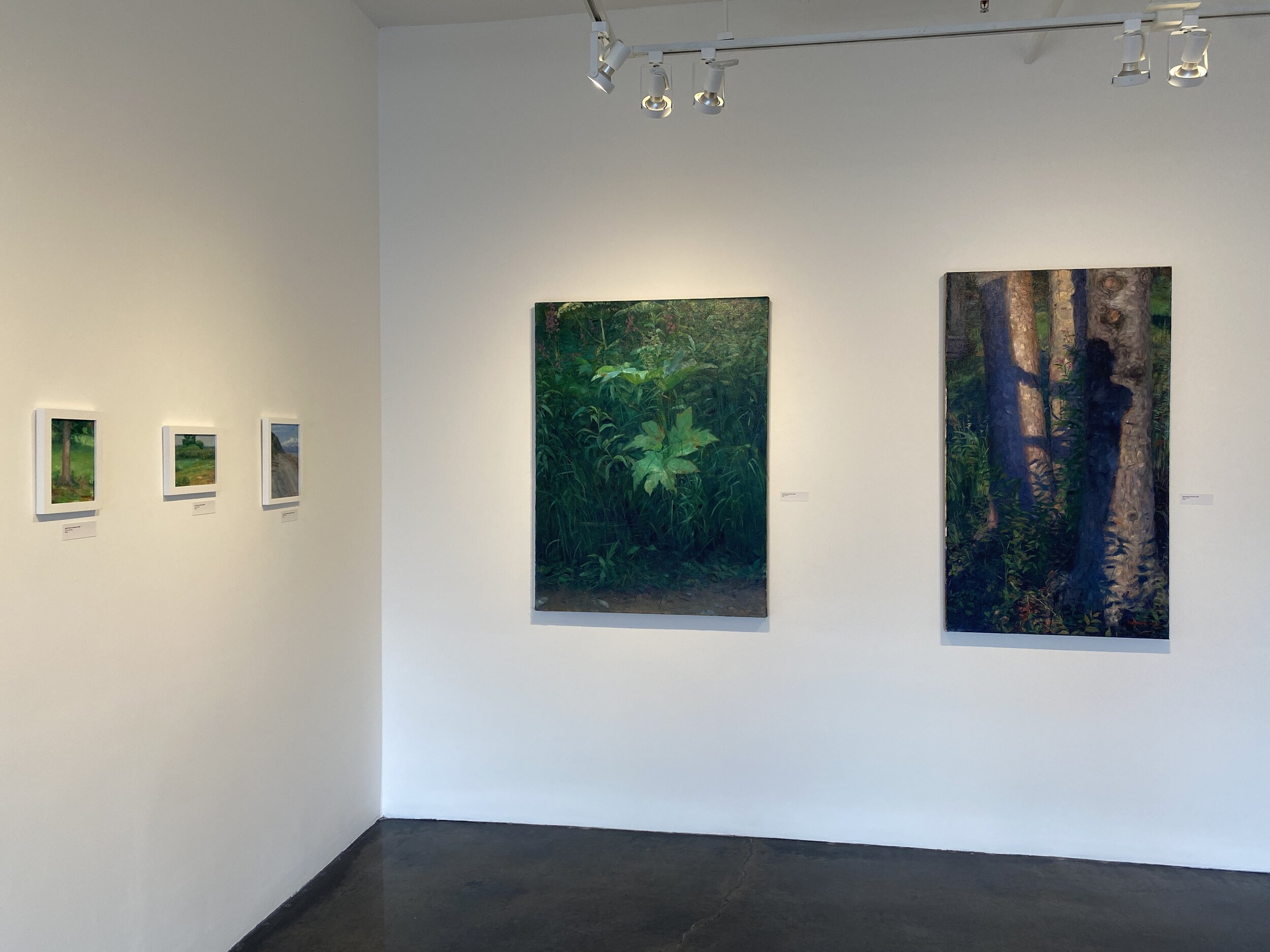
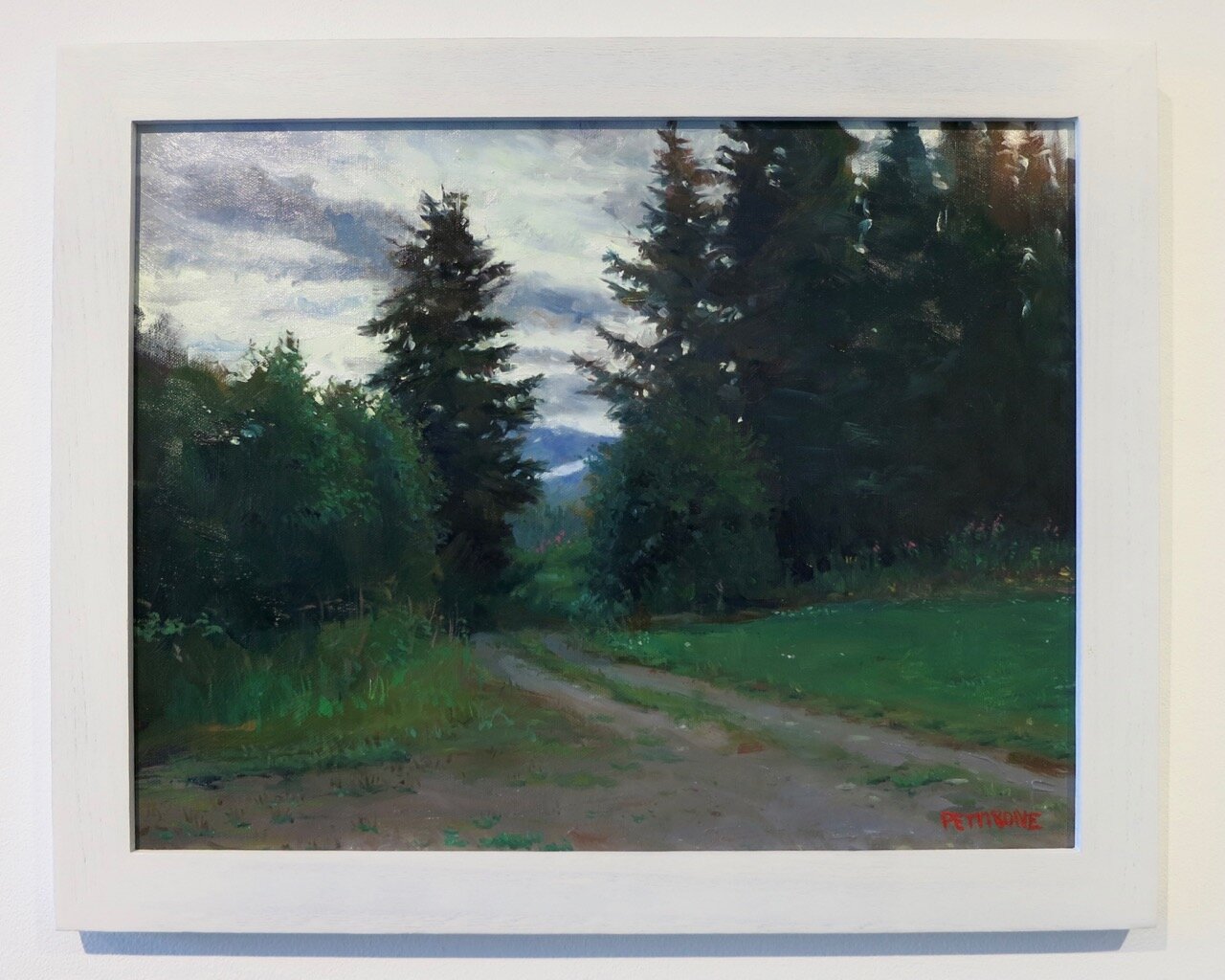
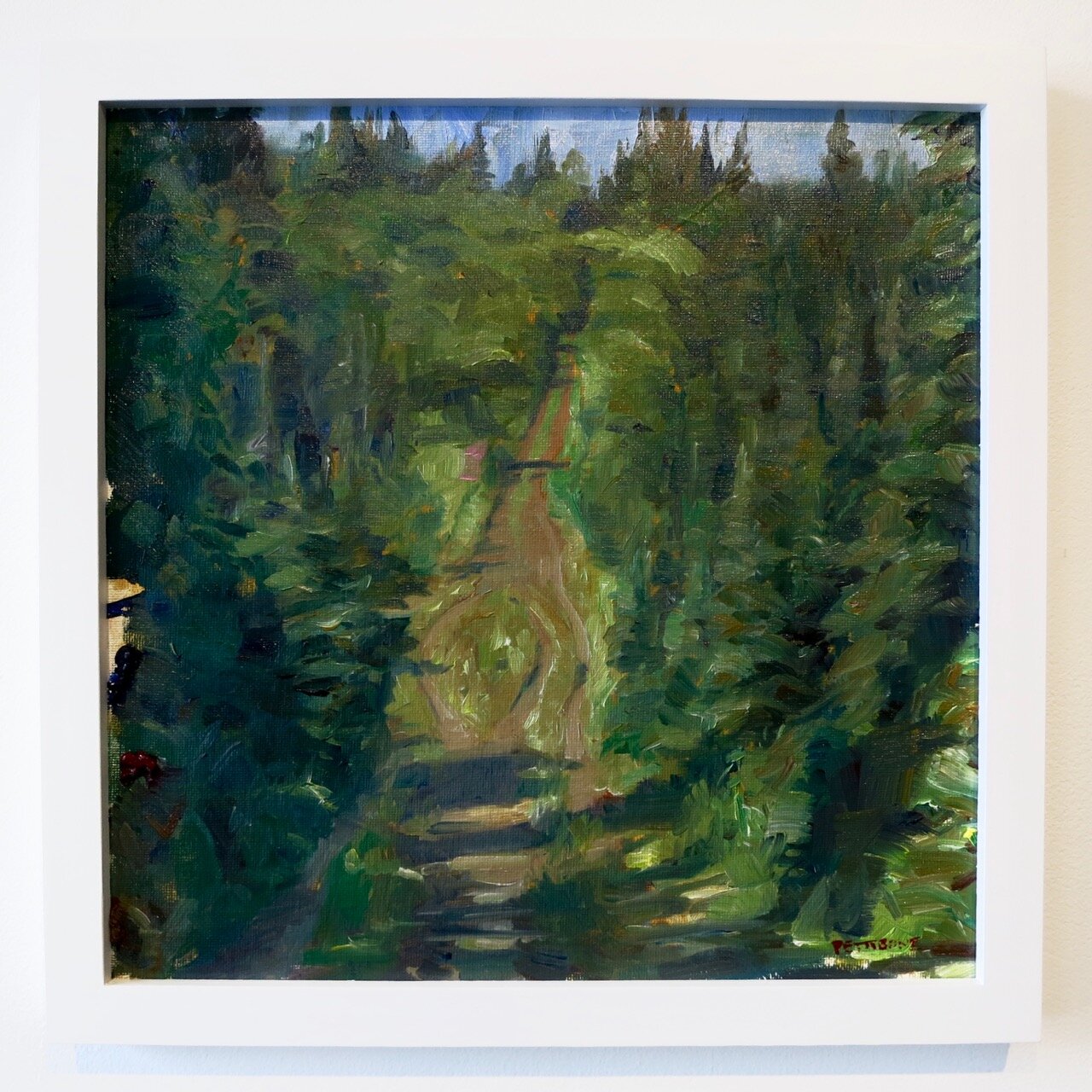
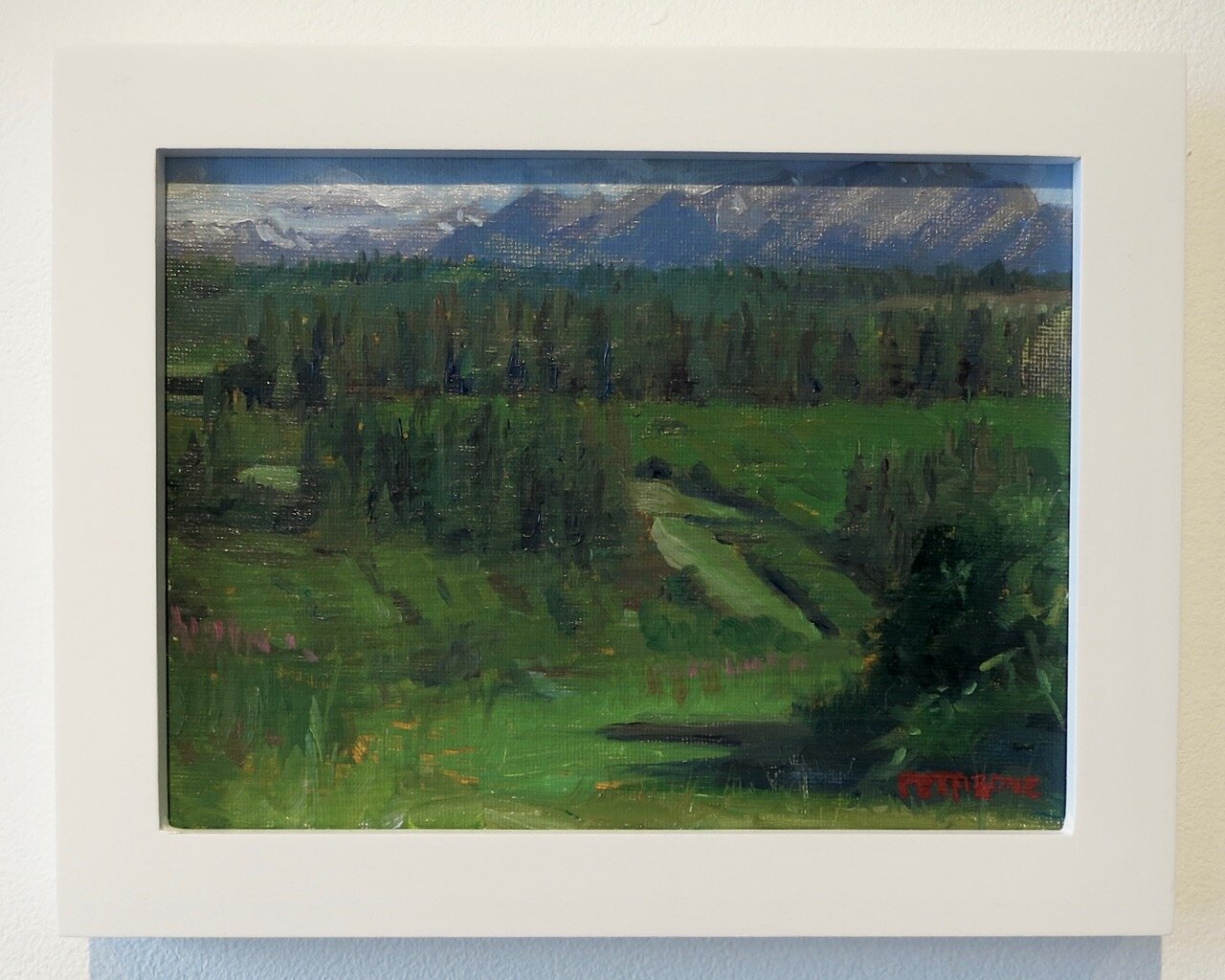
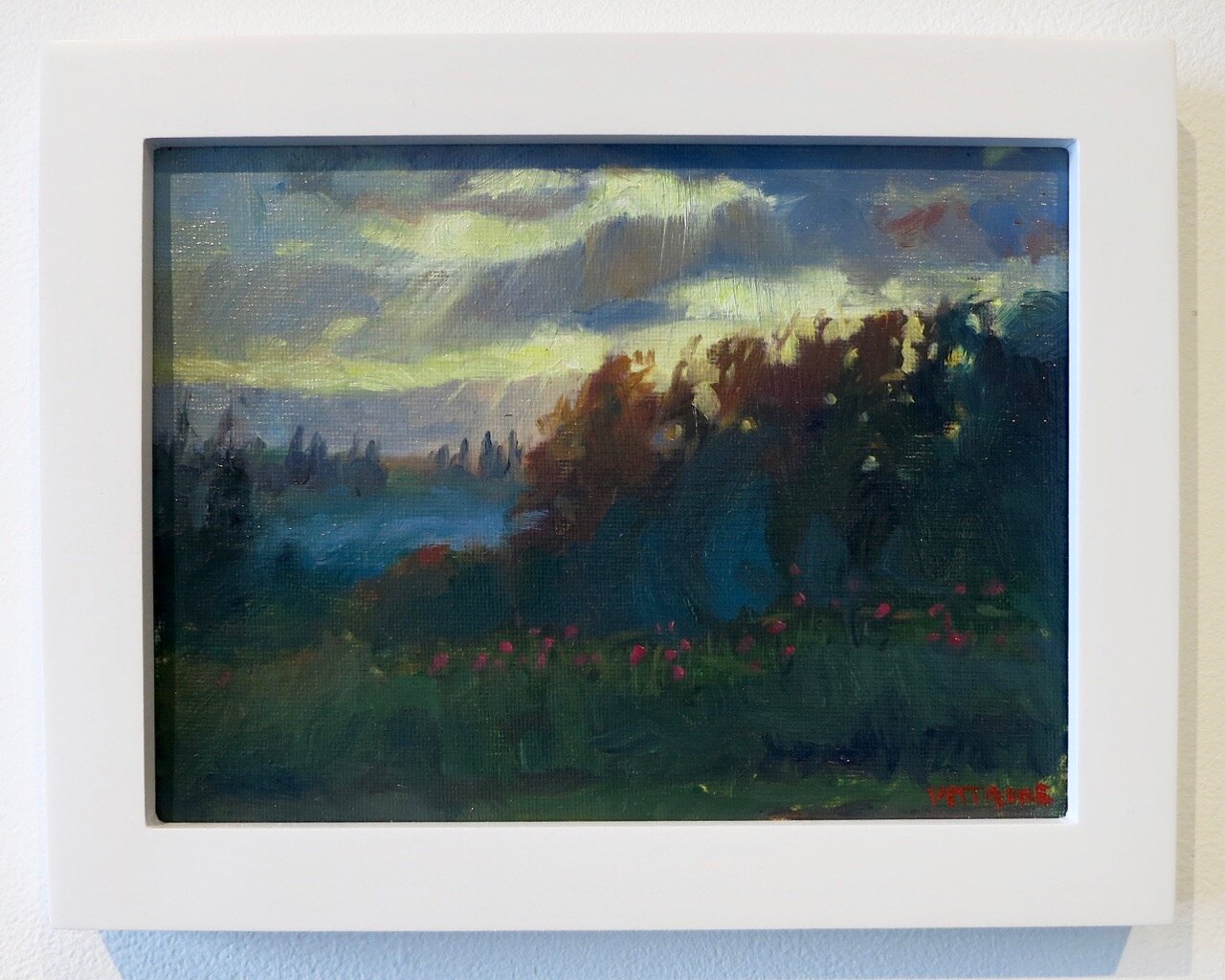
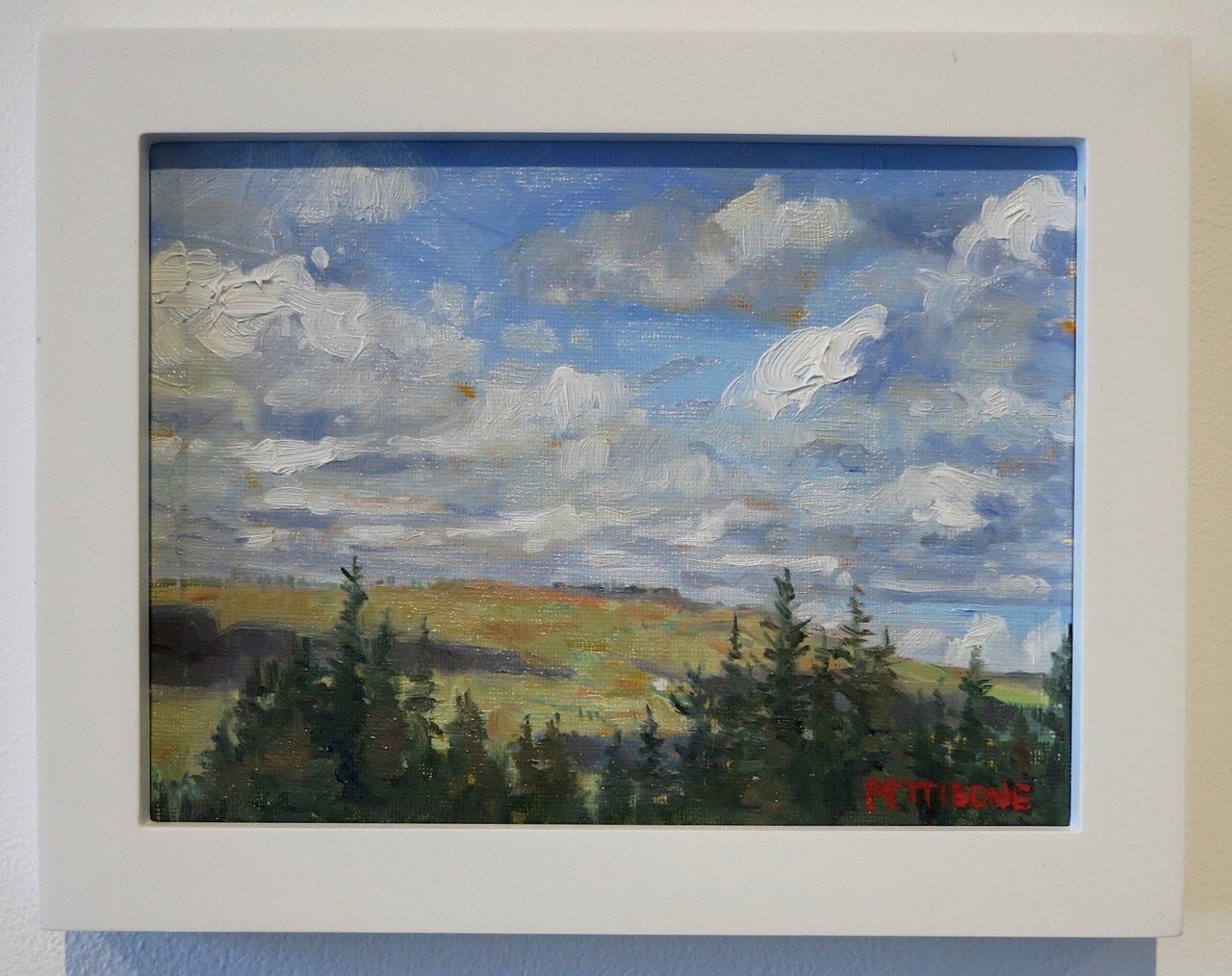
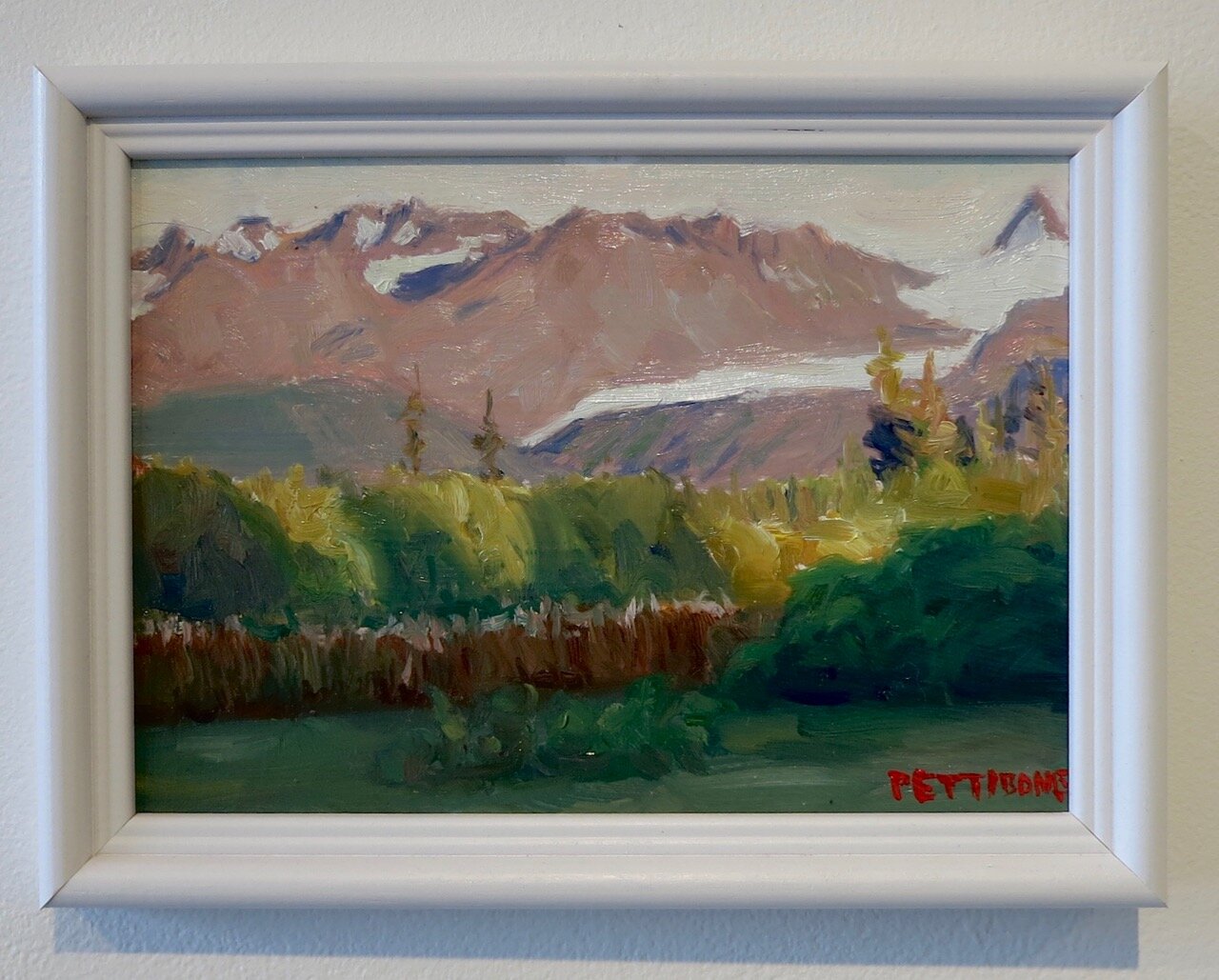
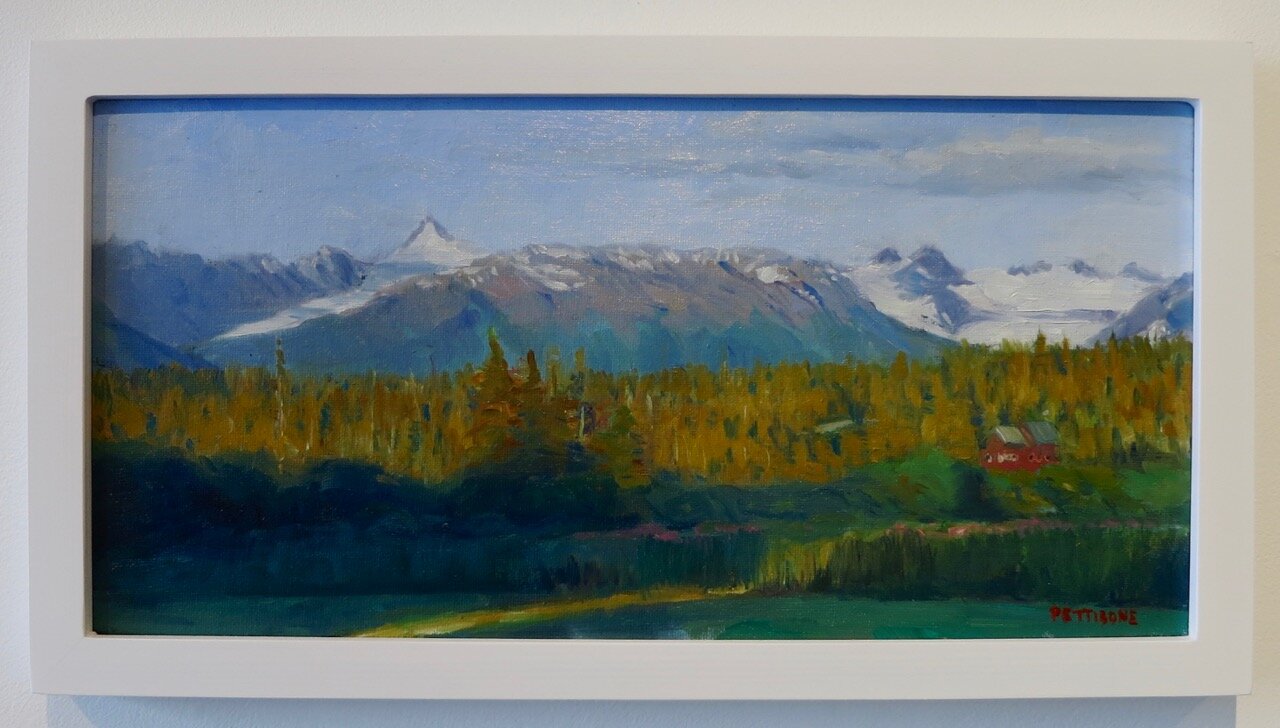
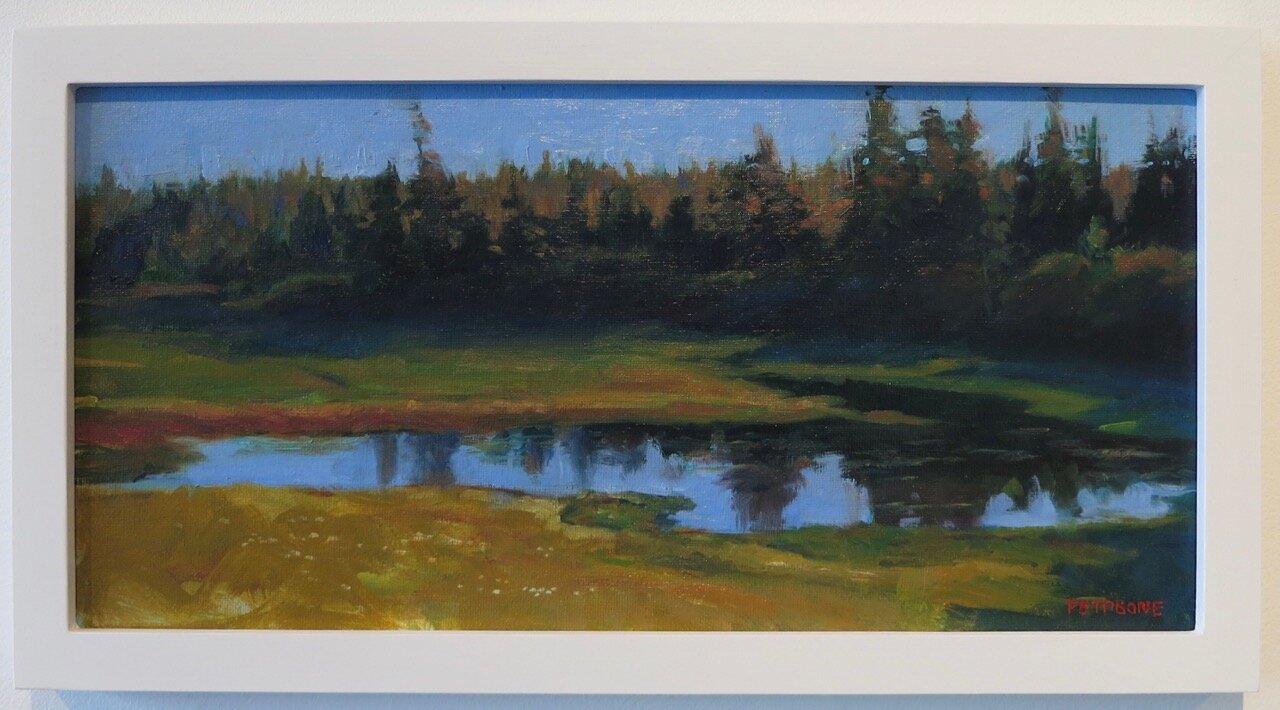
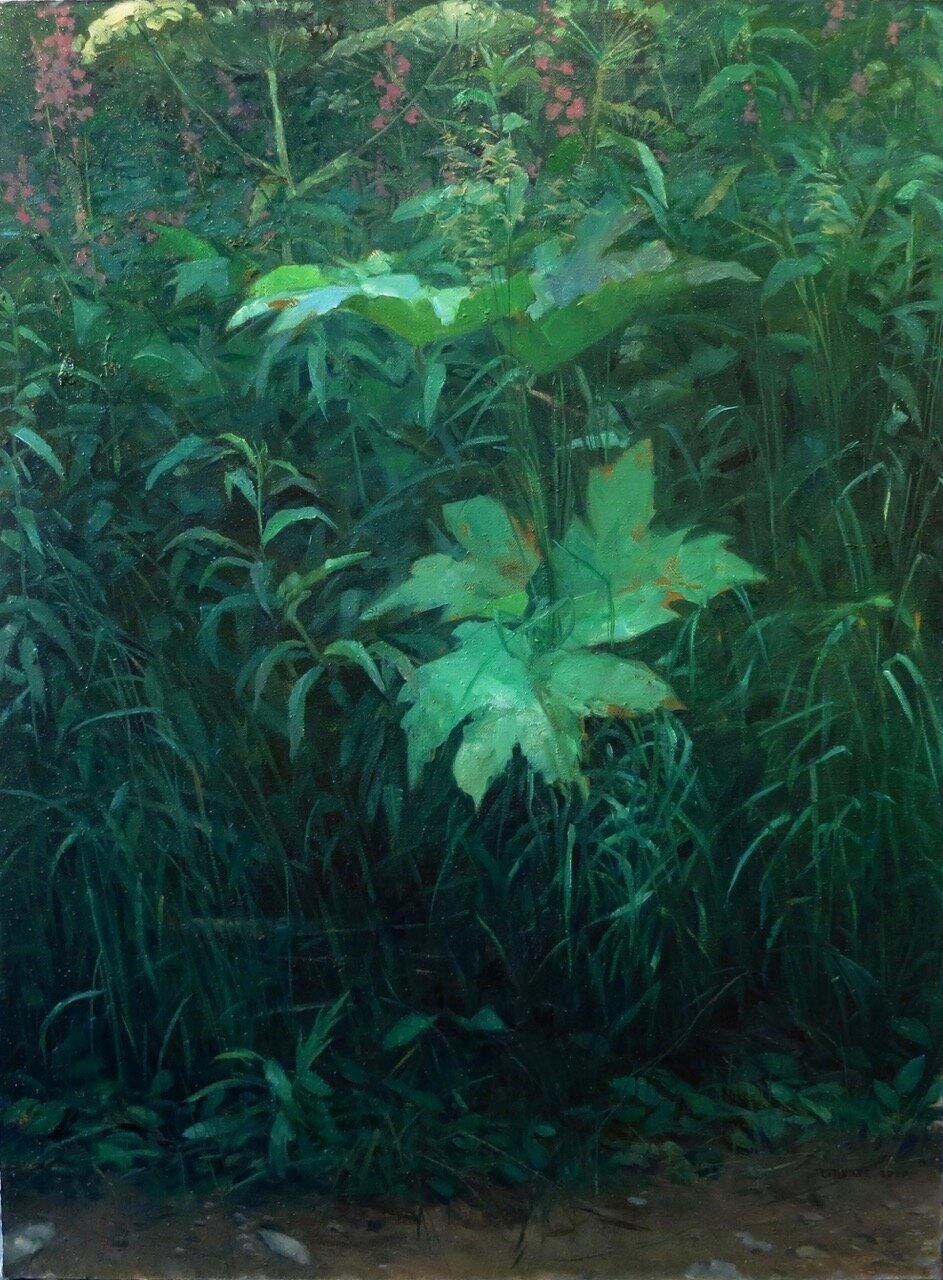
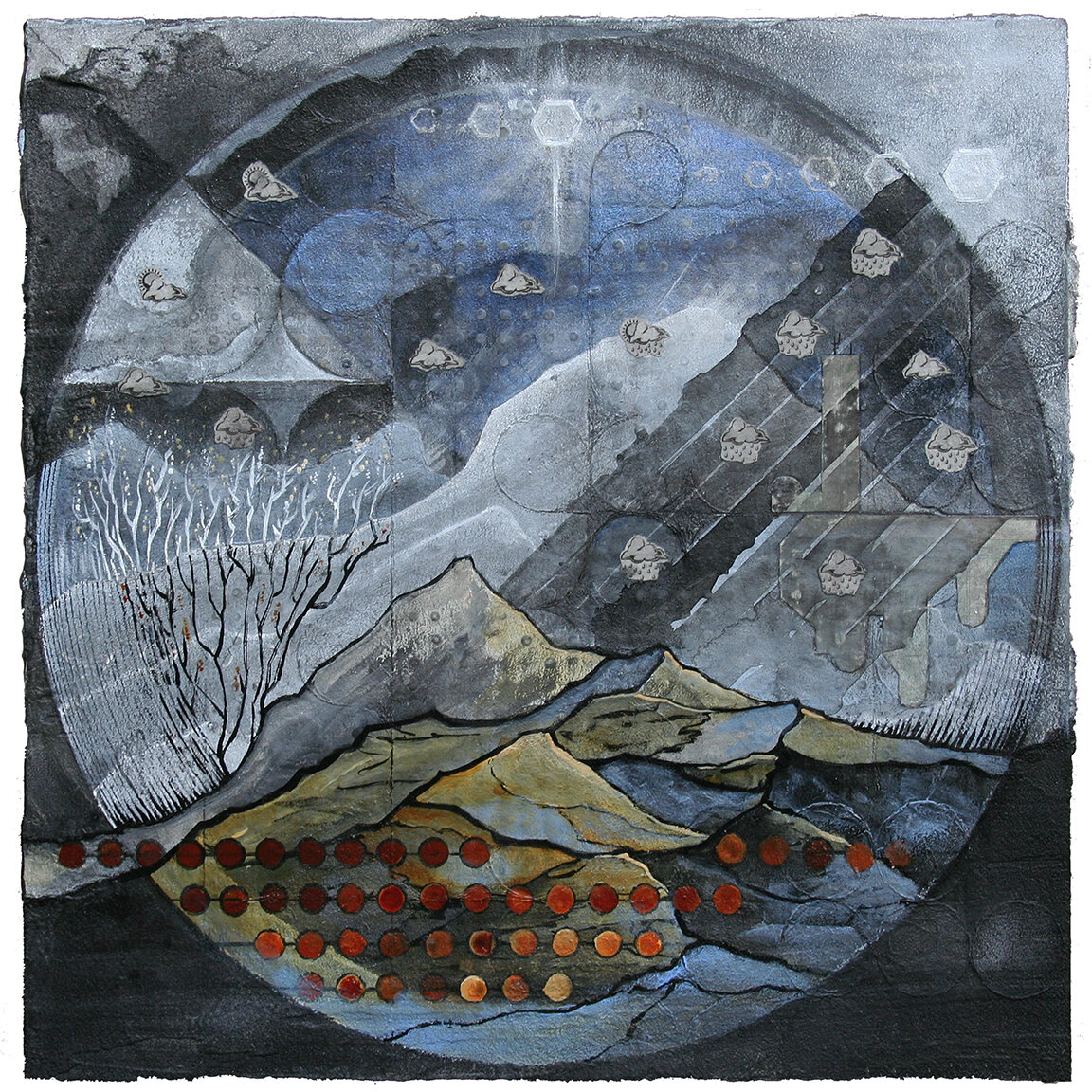
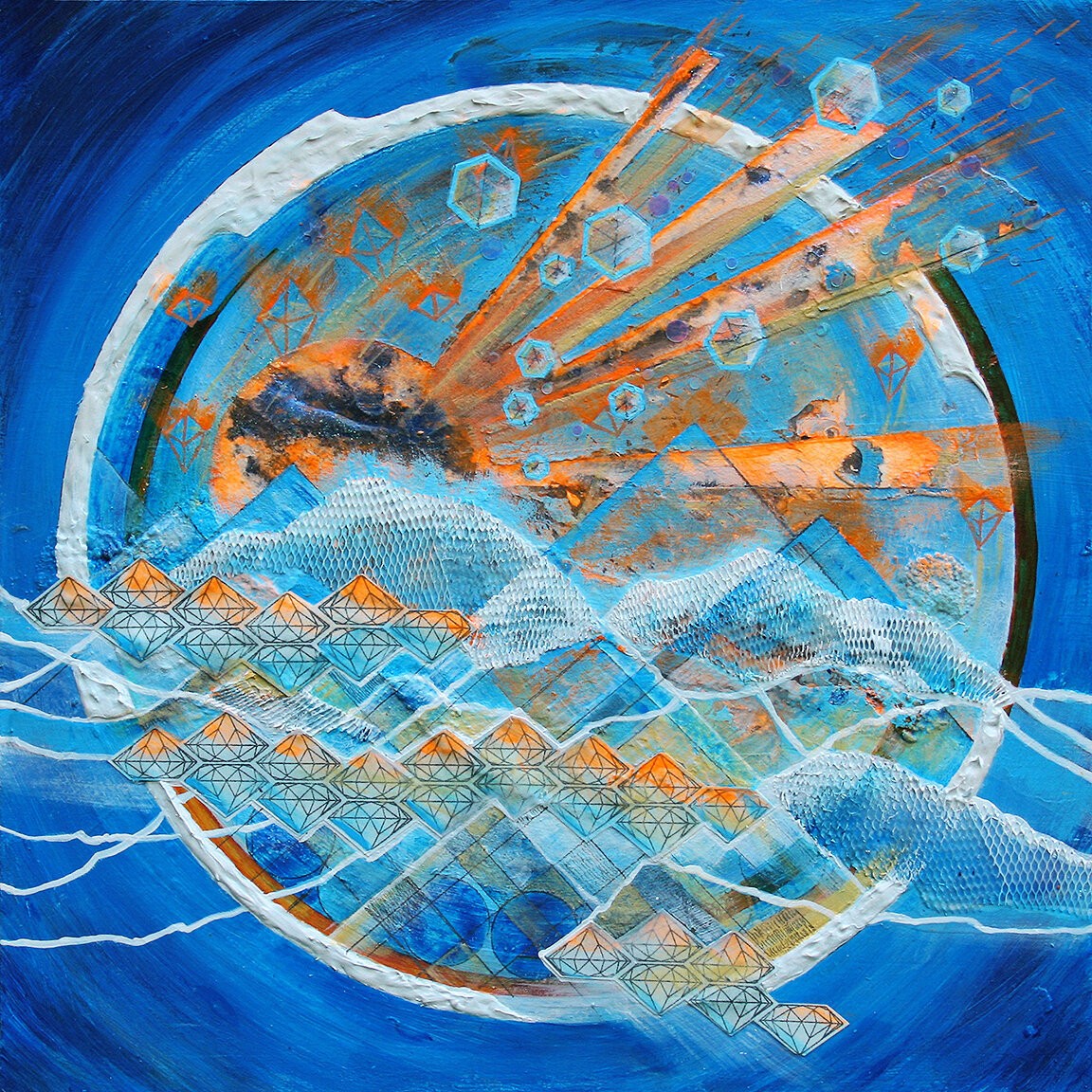
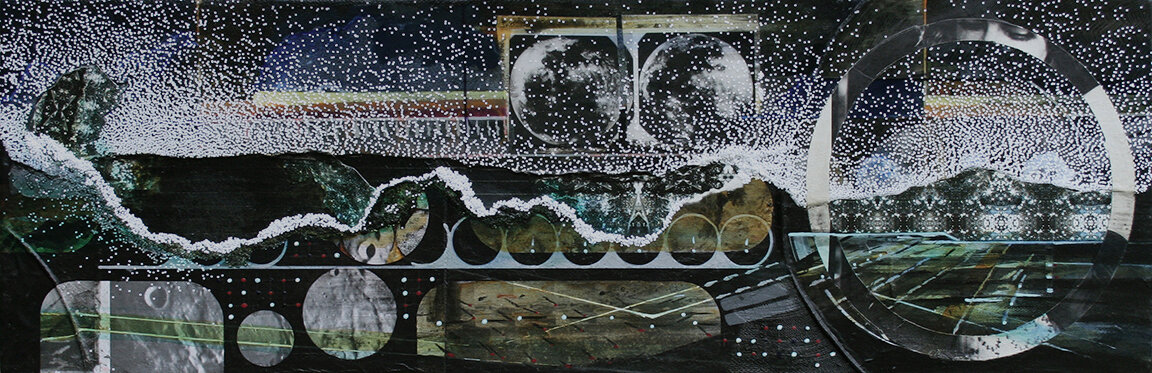
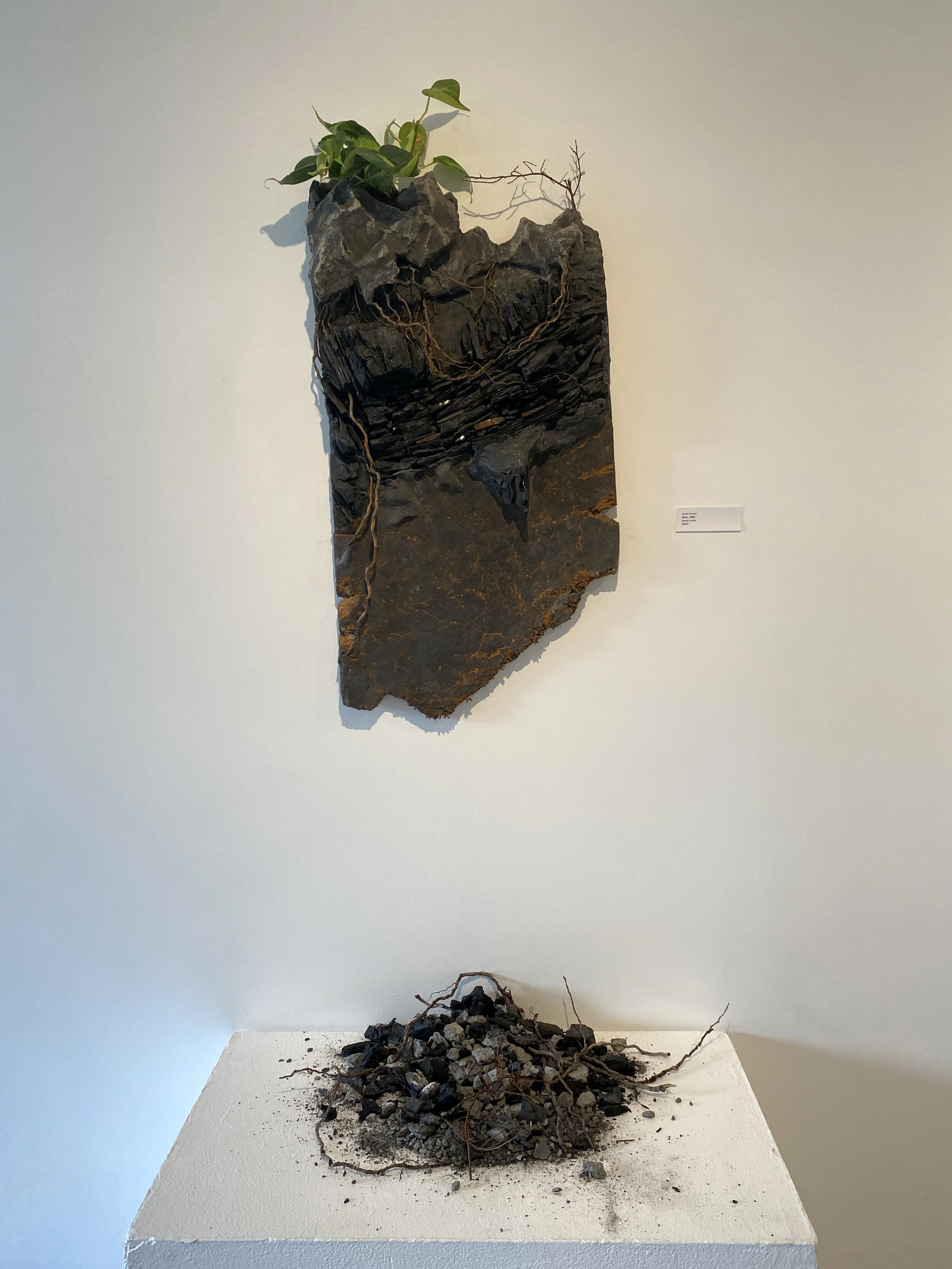
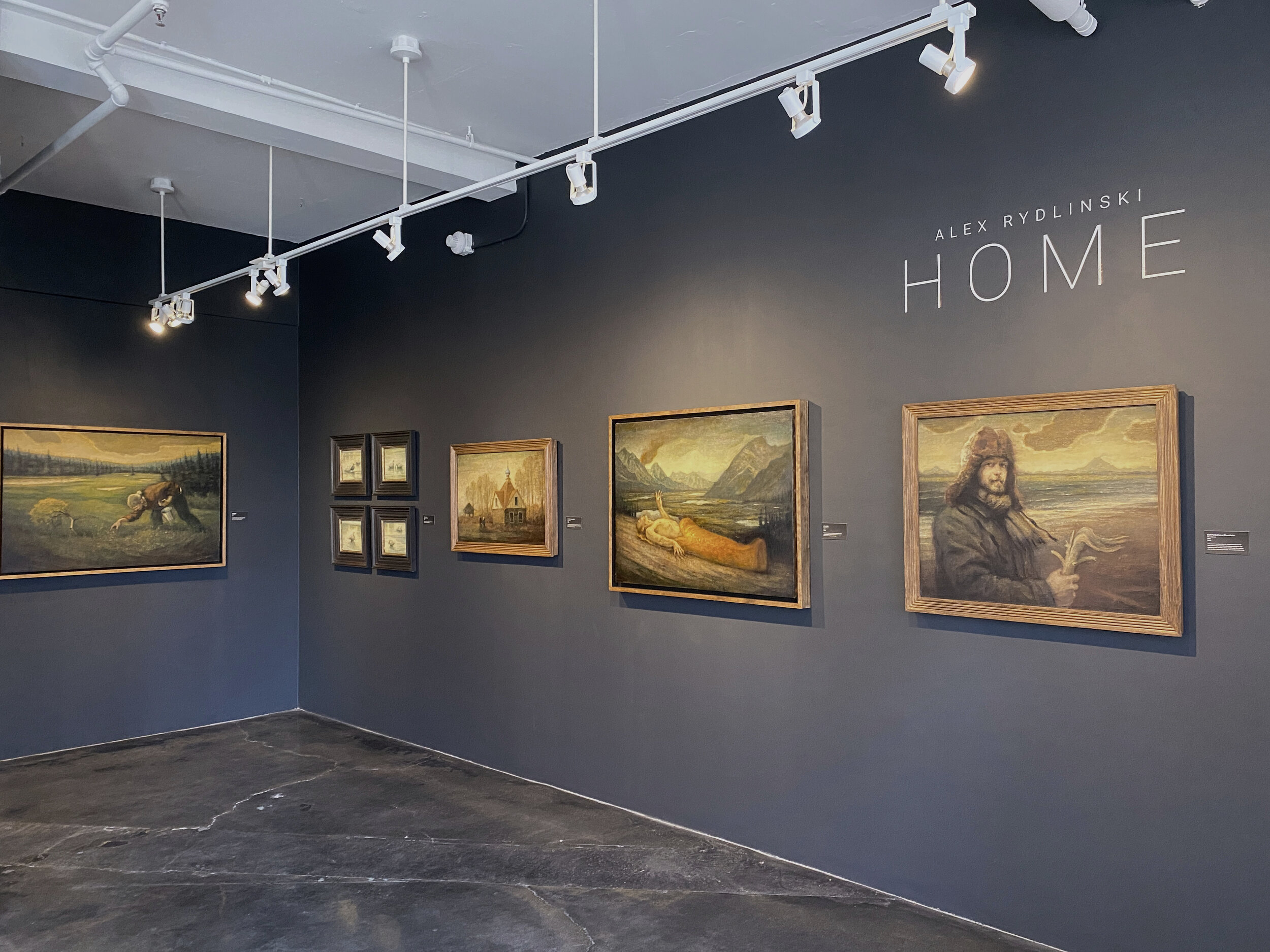
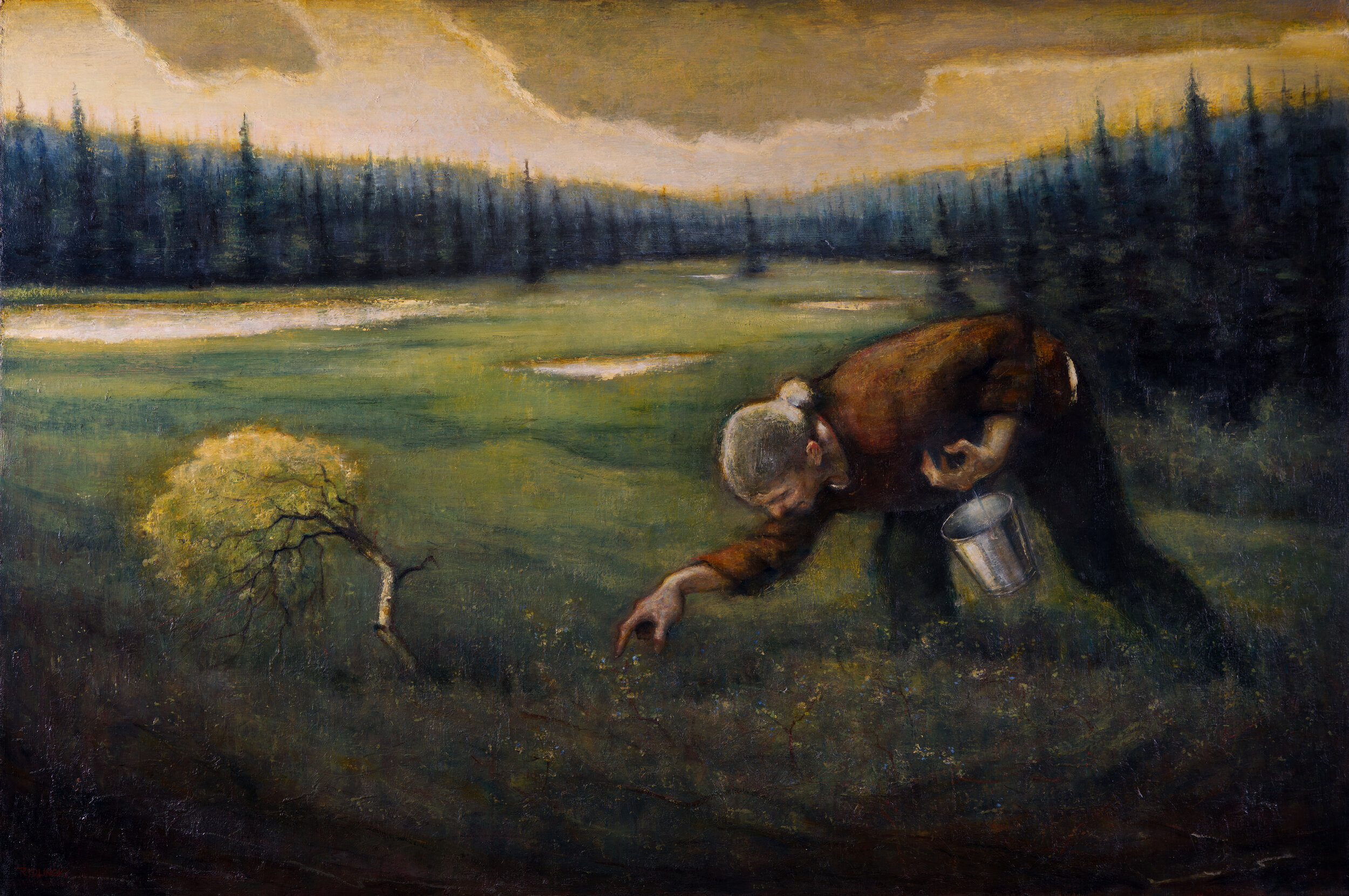
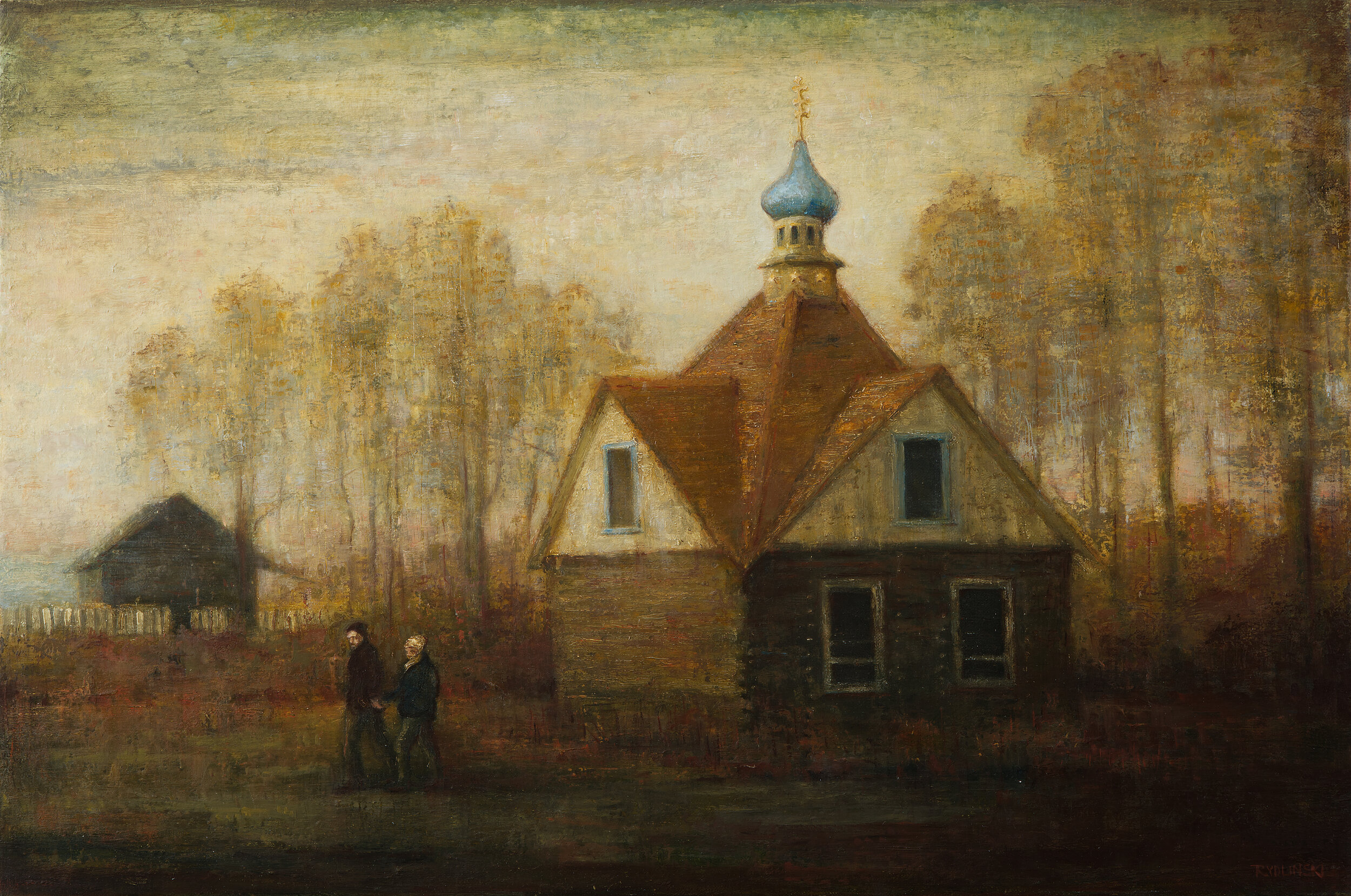
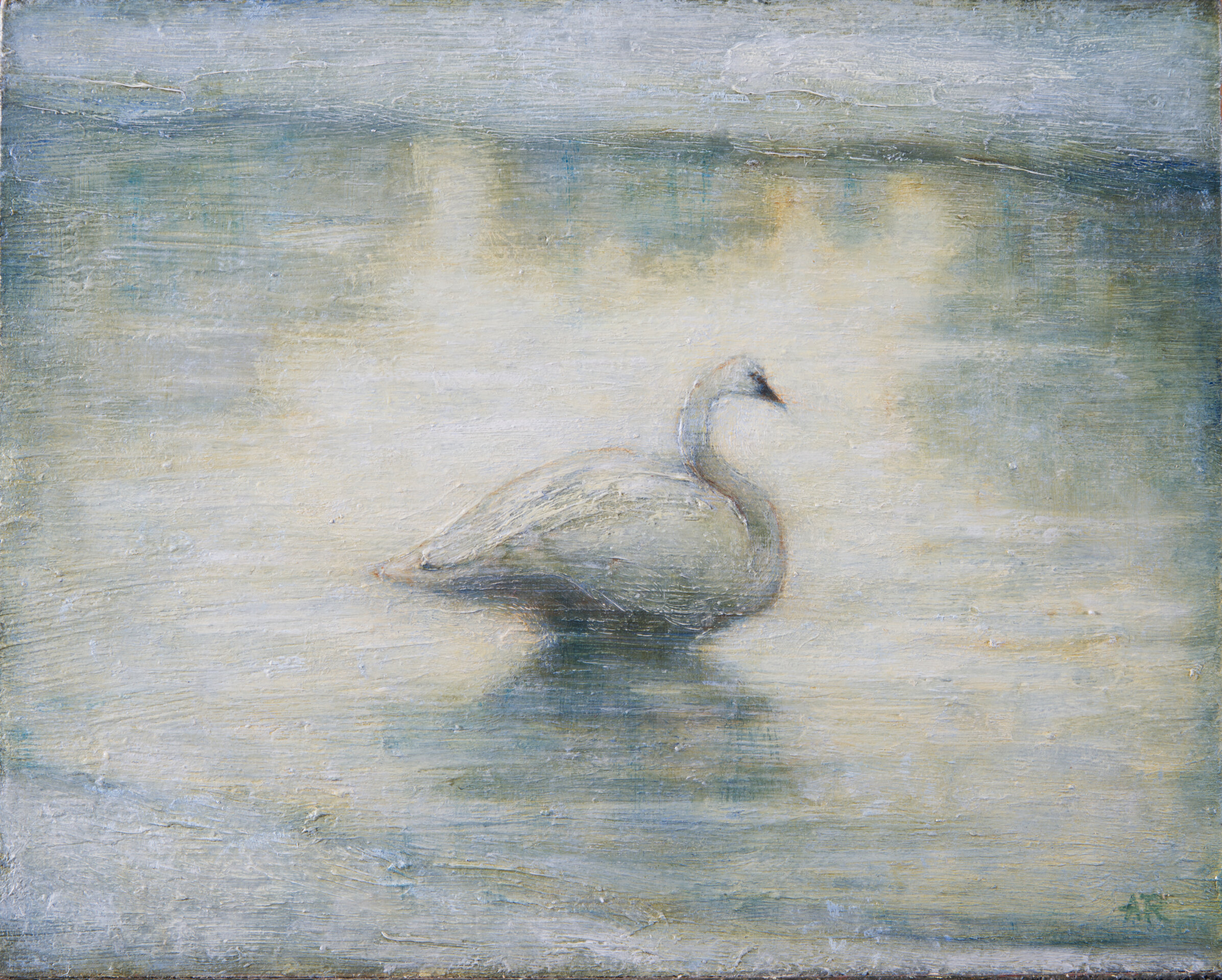
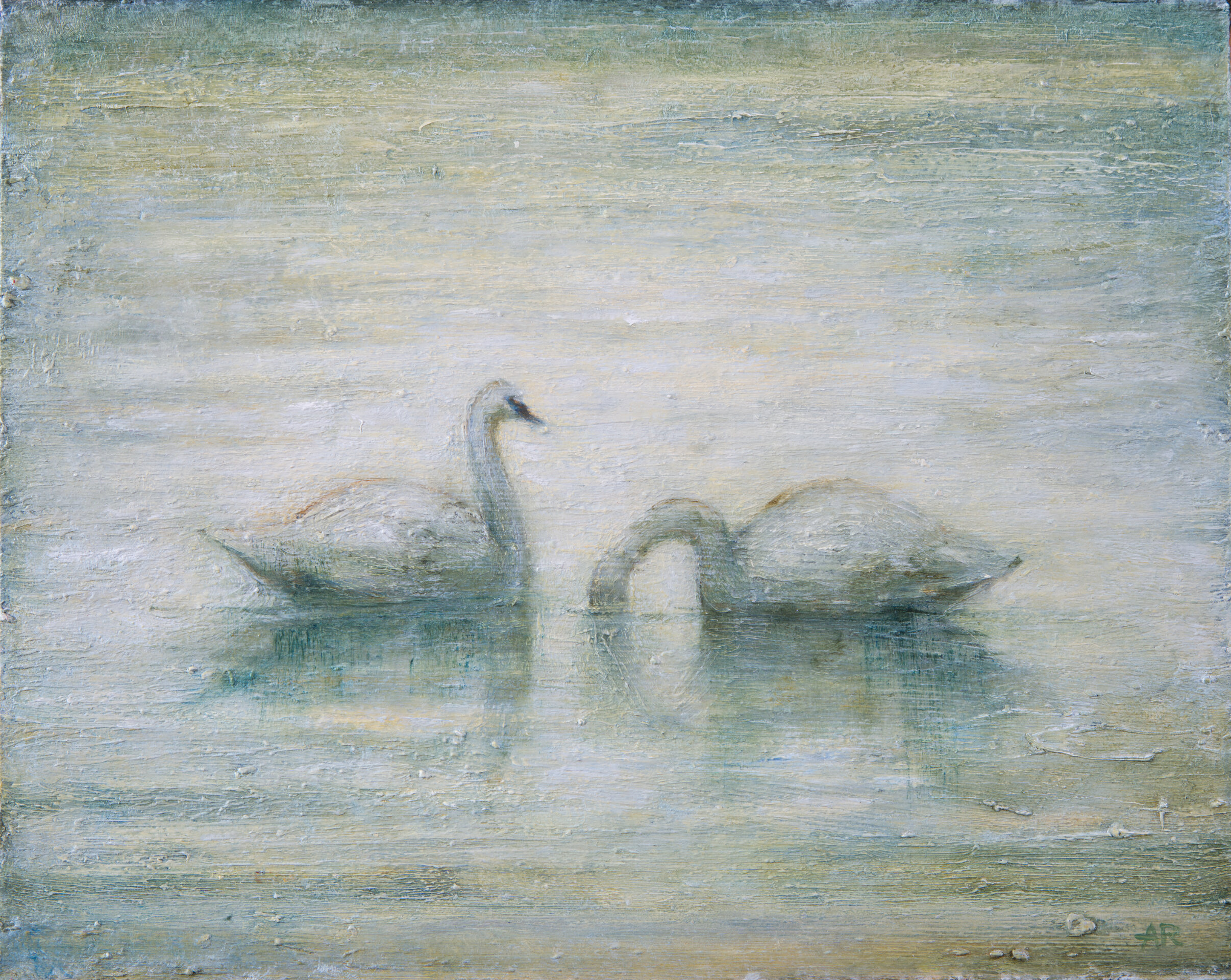
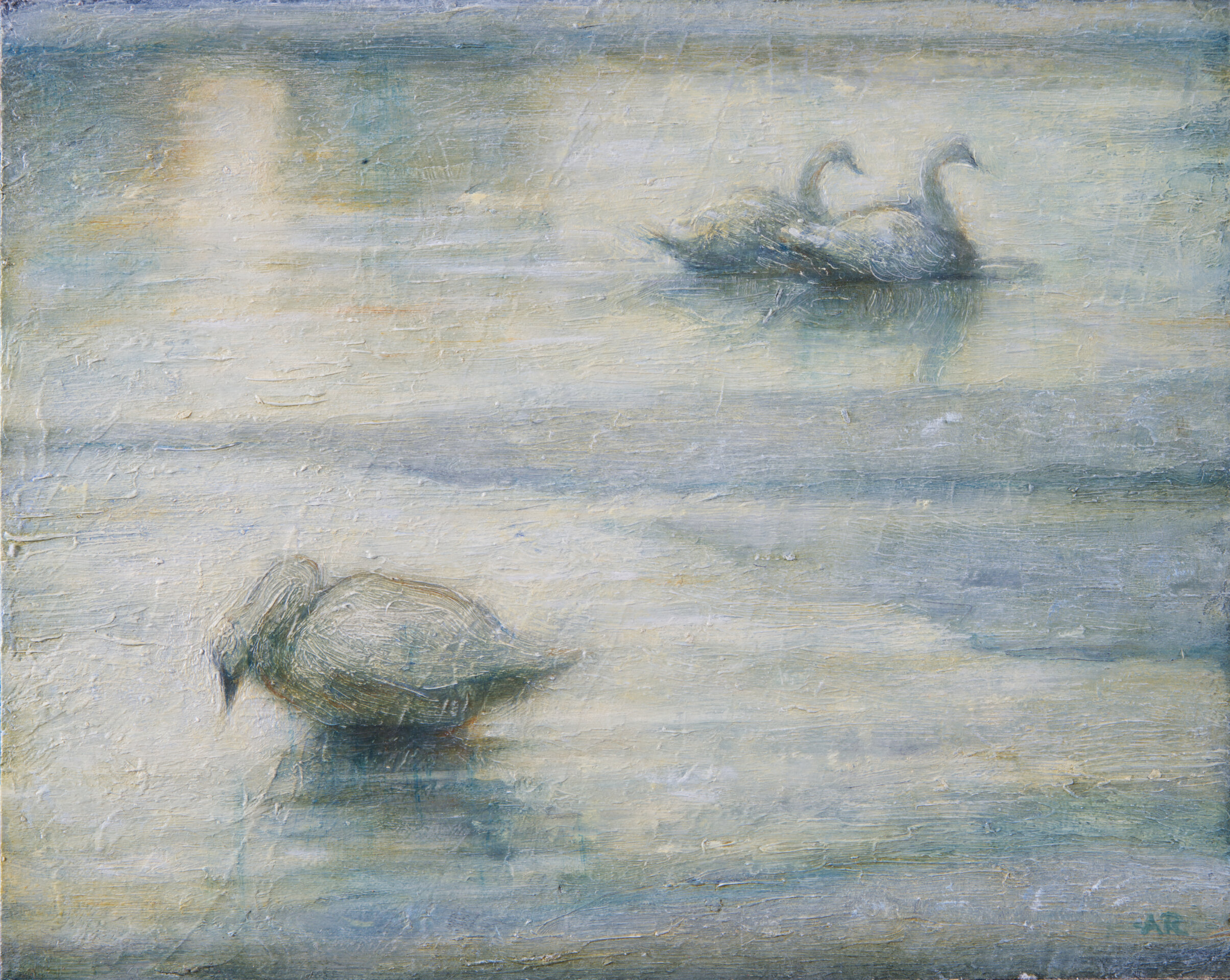
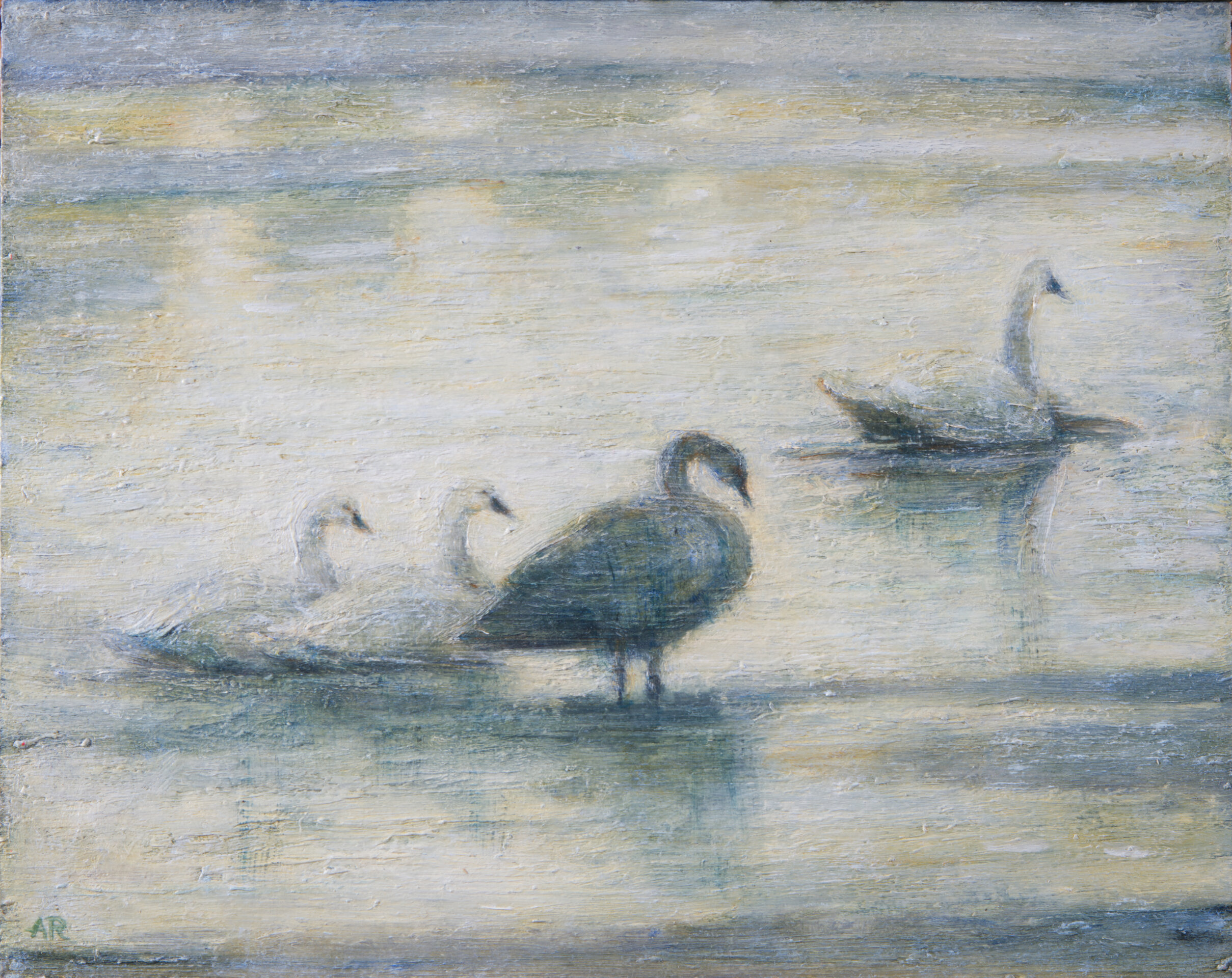
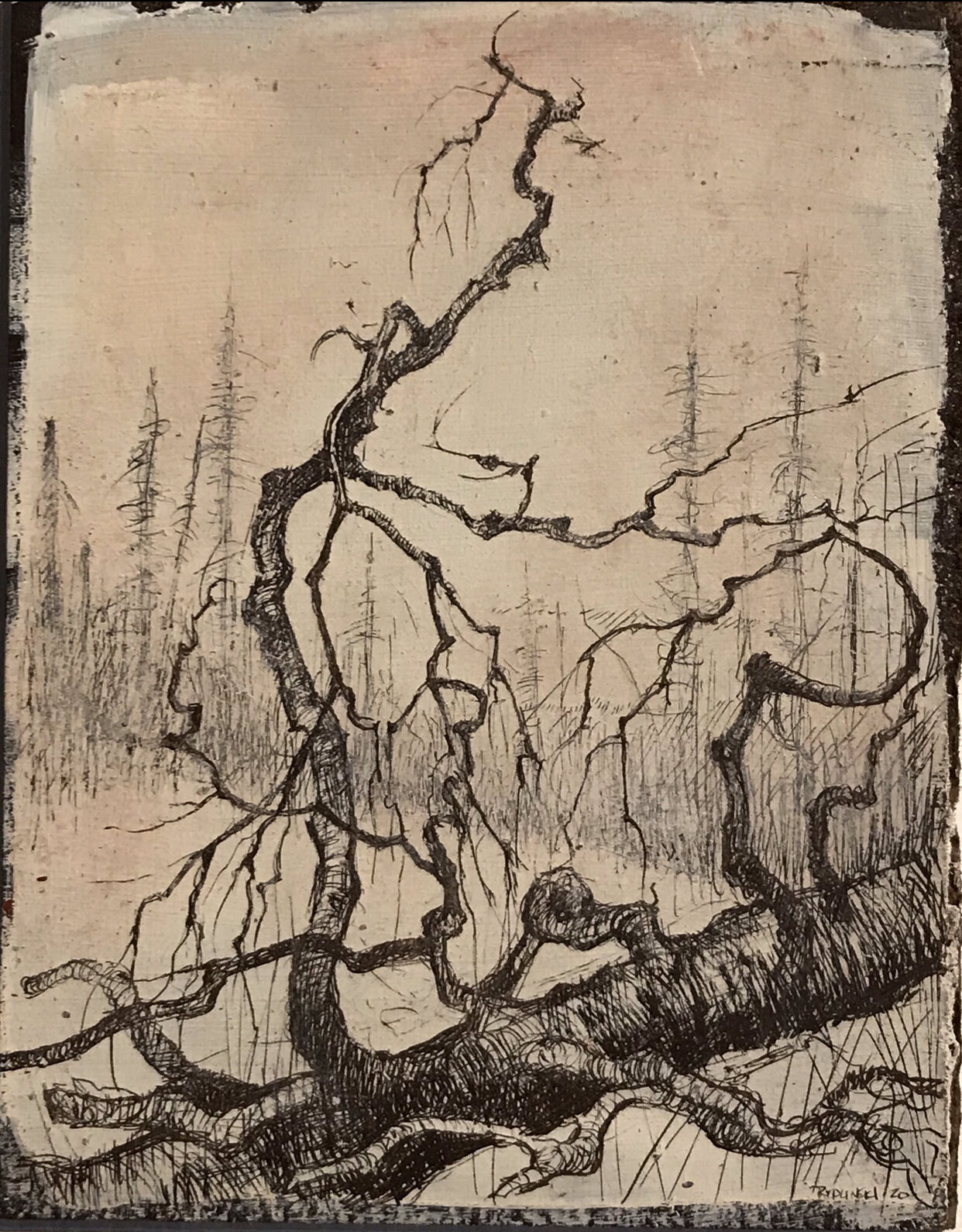
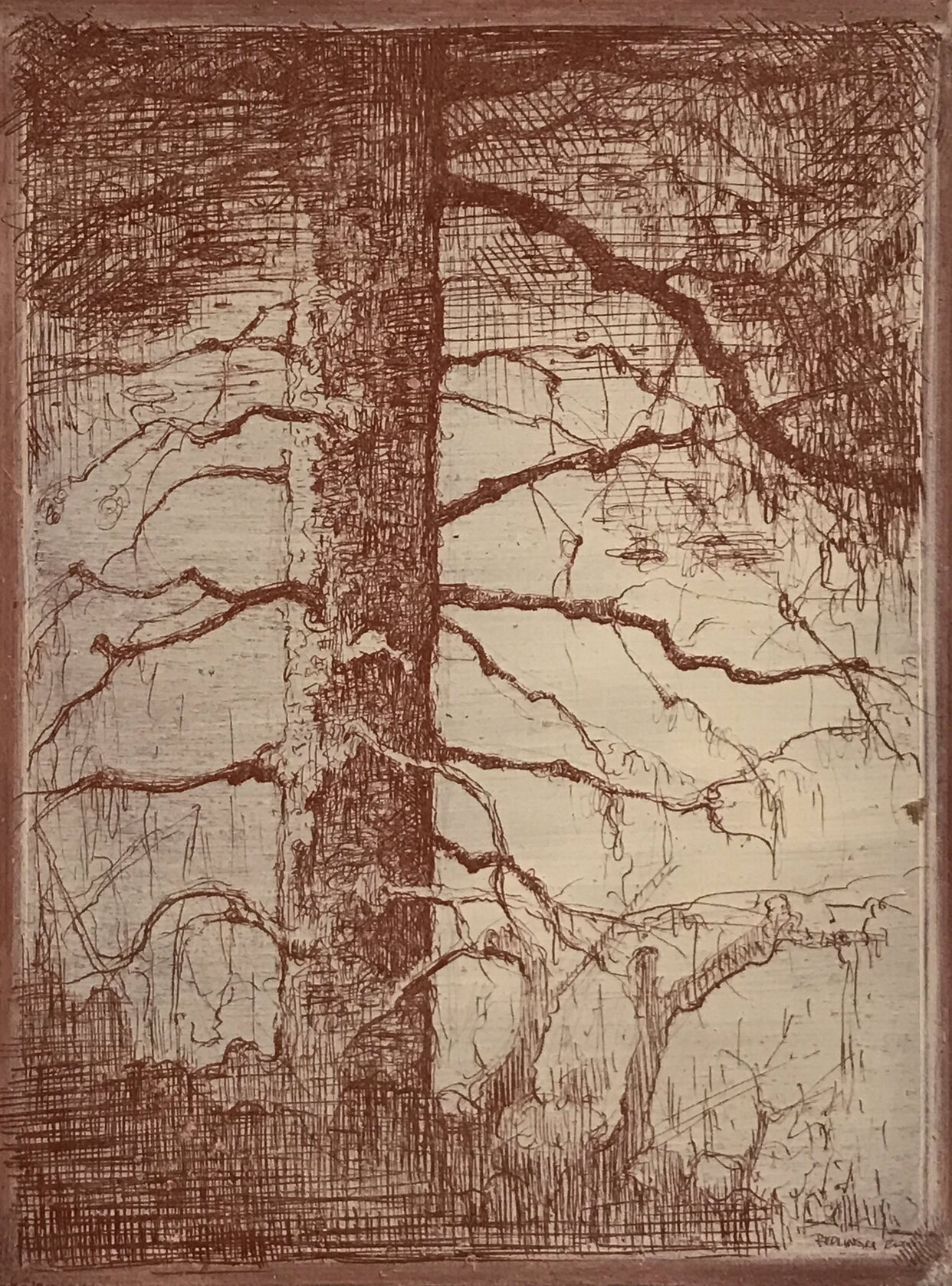
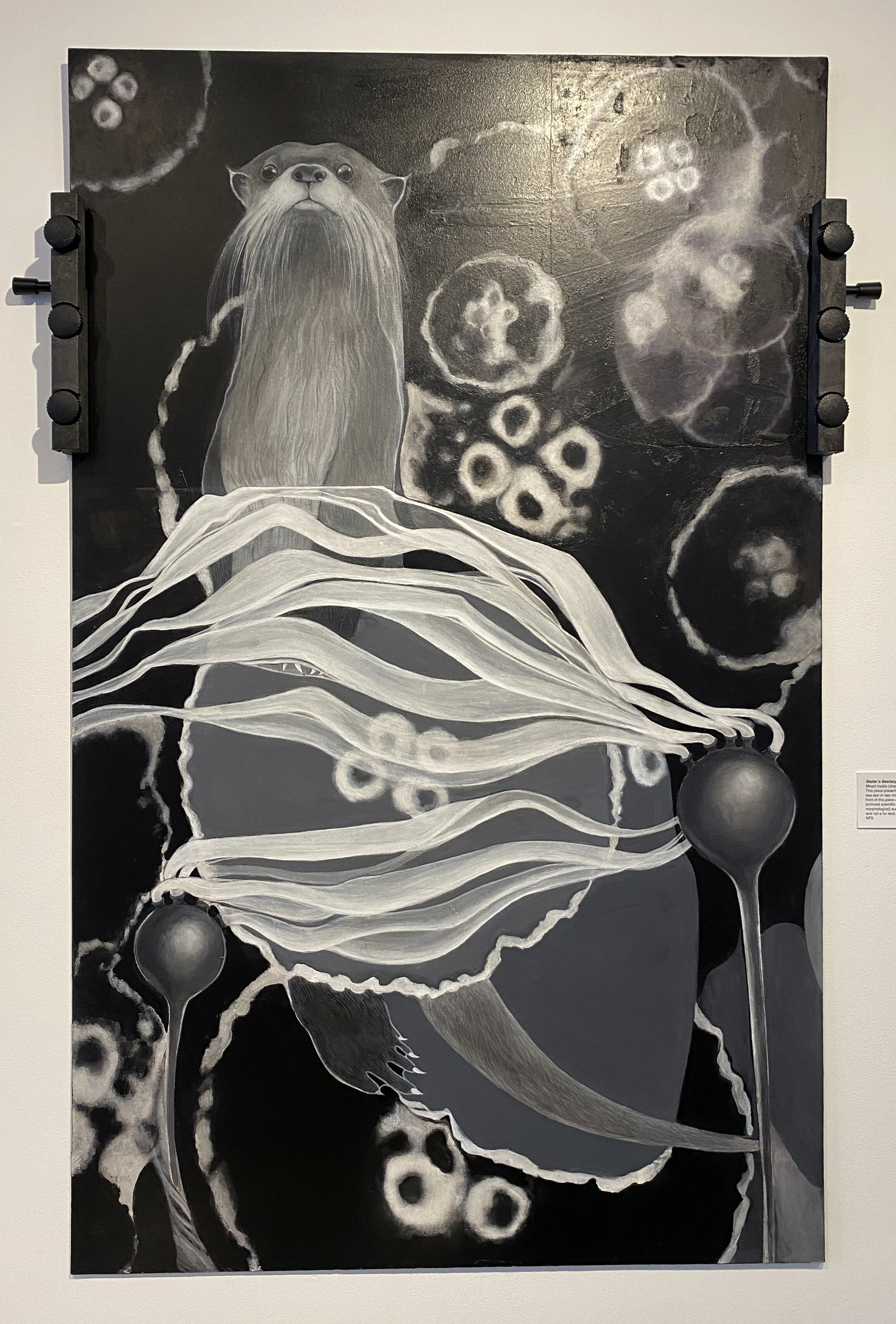
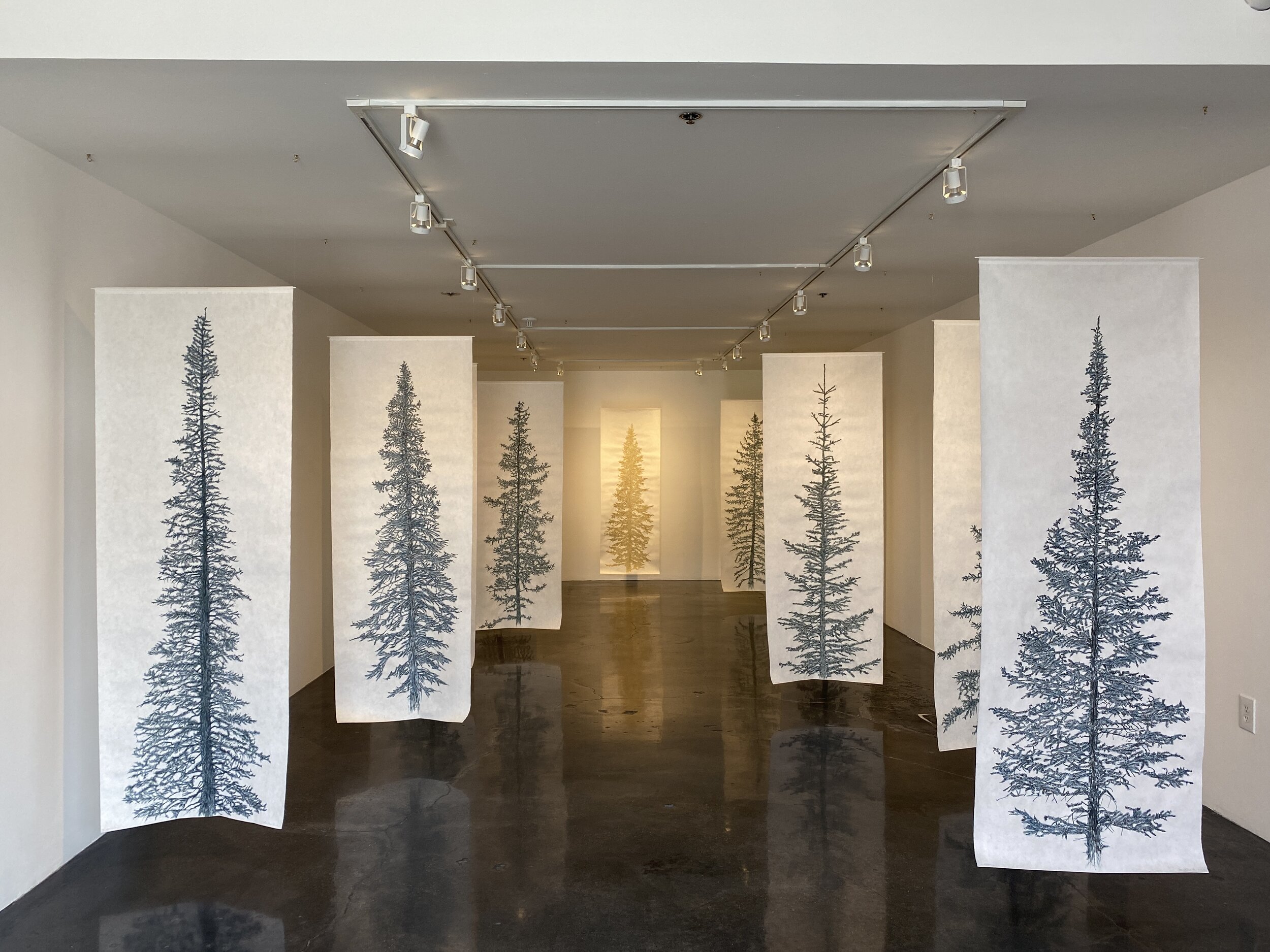
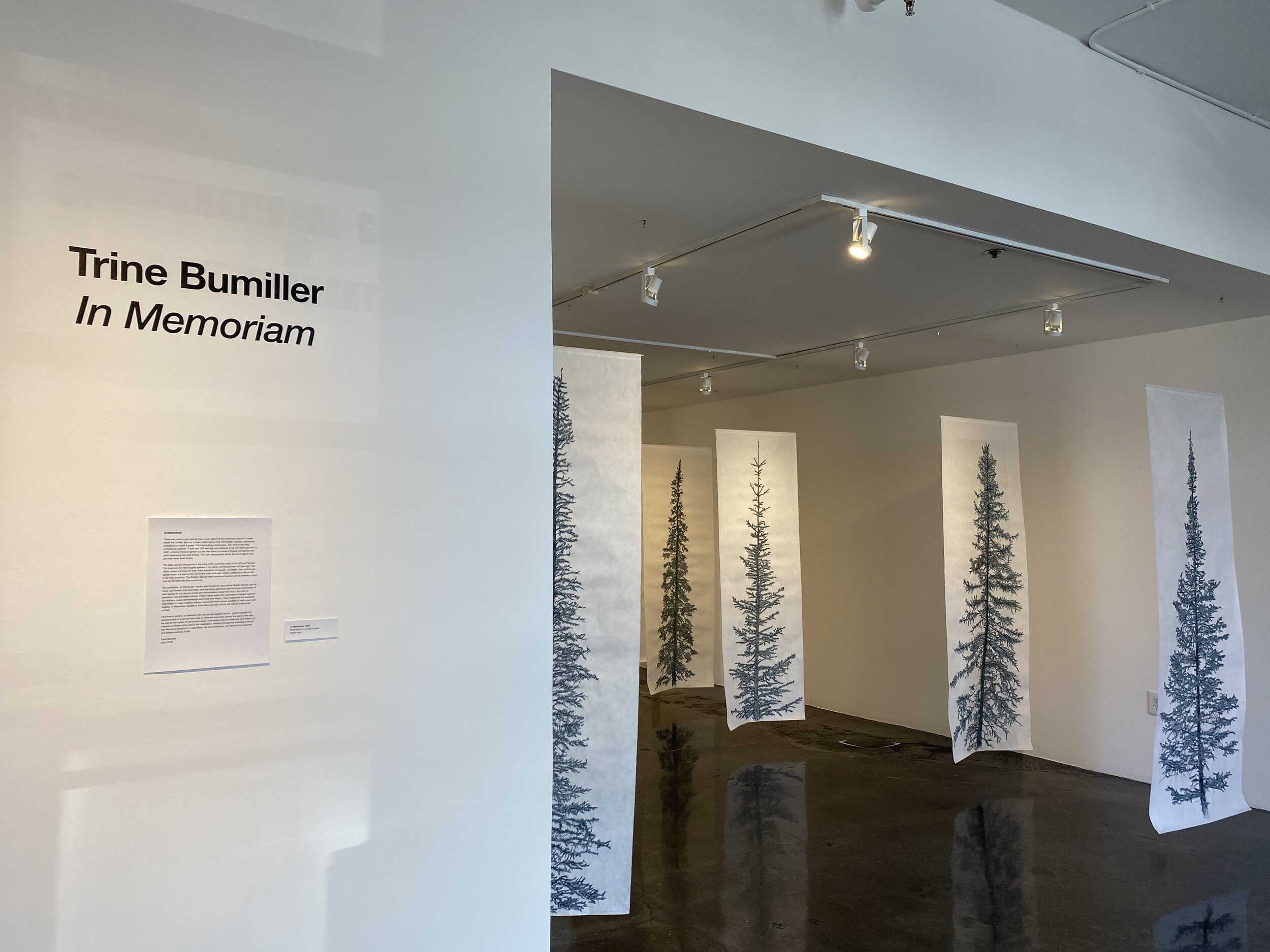
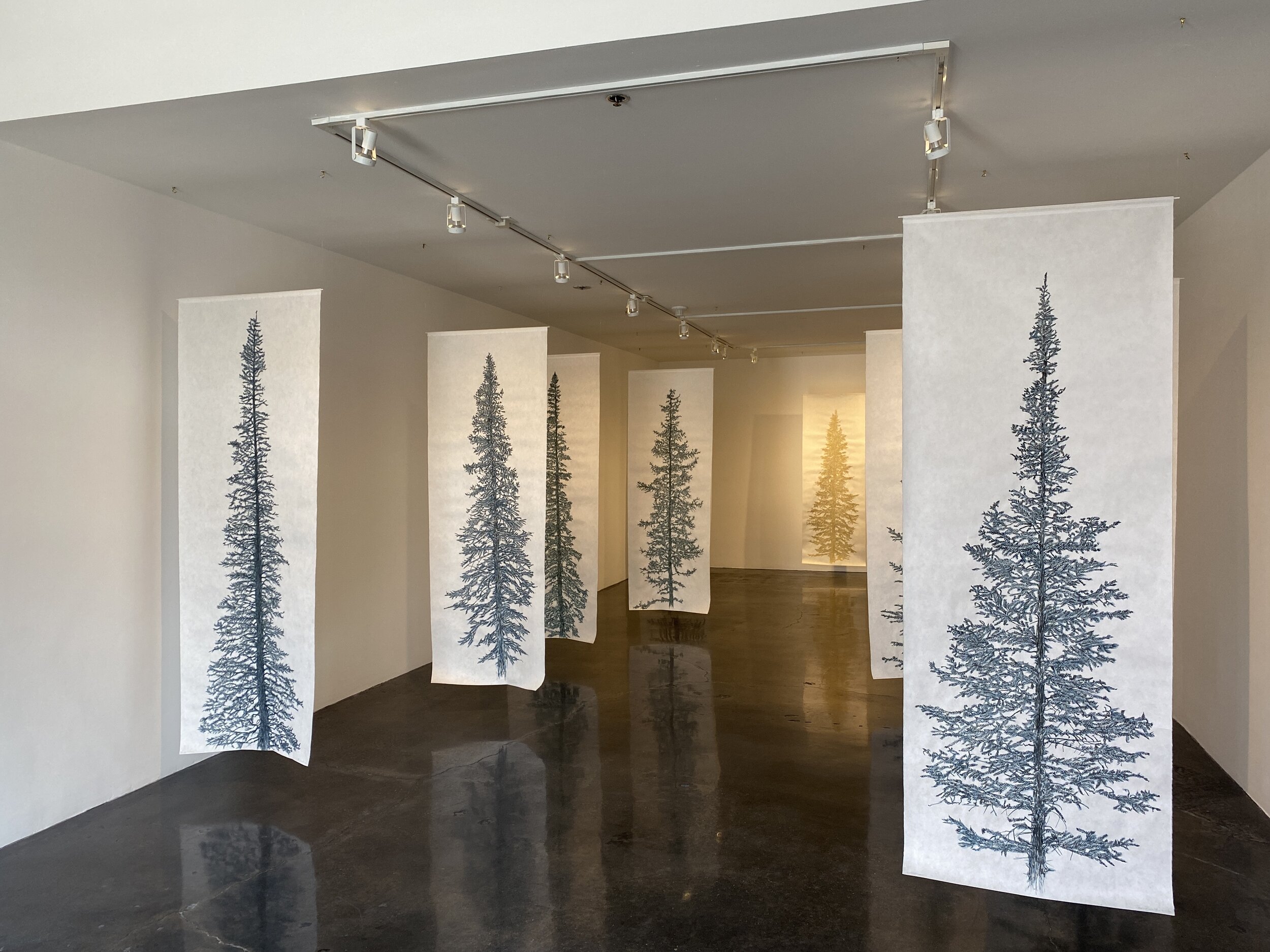
Although 2020 brought many challenges, both locally and throughout the world, narrowing the focus to our little gallery community reminds us of all the support, encouragement and cooperation that happens everyday. We encourage you to take a minute and think back on the exhibitions and efforts over the last 12 months by clicking through the slideshow above (clicking the arrow buttons on either side will move you through the photos, hovering over the photo will show a caption, and clicking on the photo will take you to more information on that exhibition), it really tells a wonderful story of 2020, and all that was accomplished despite the challenges in this unprecedented year.

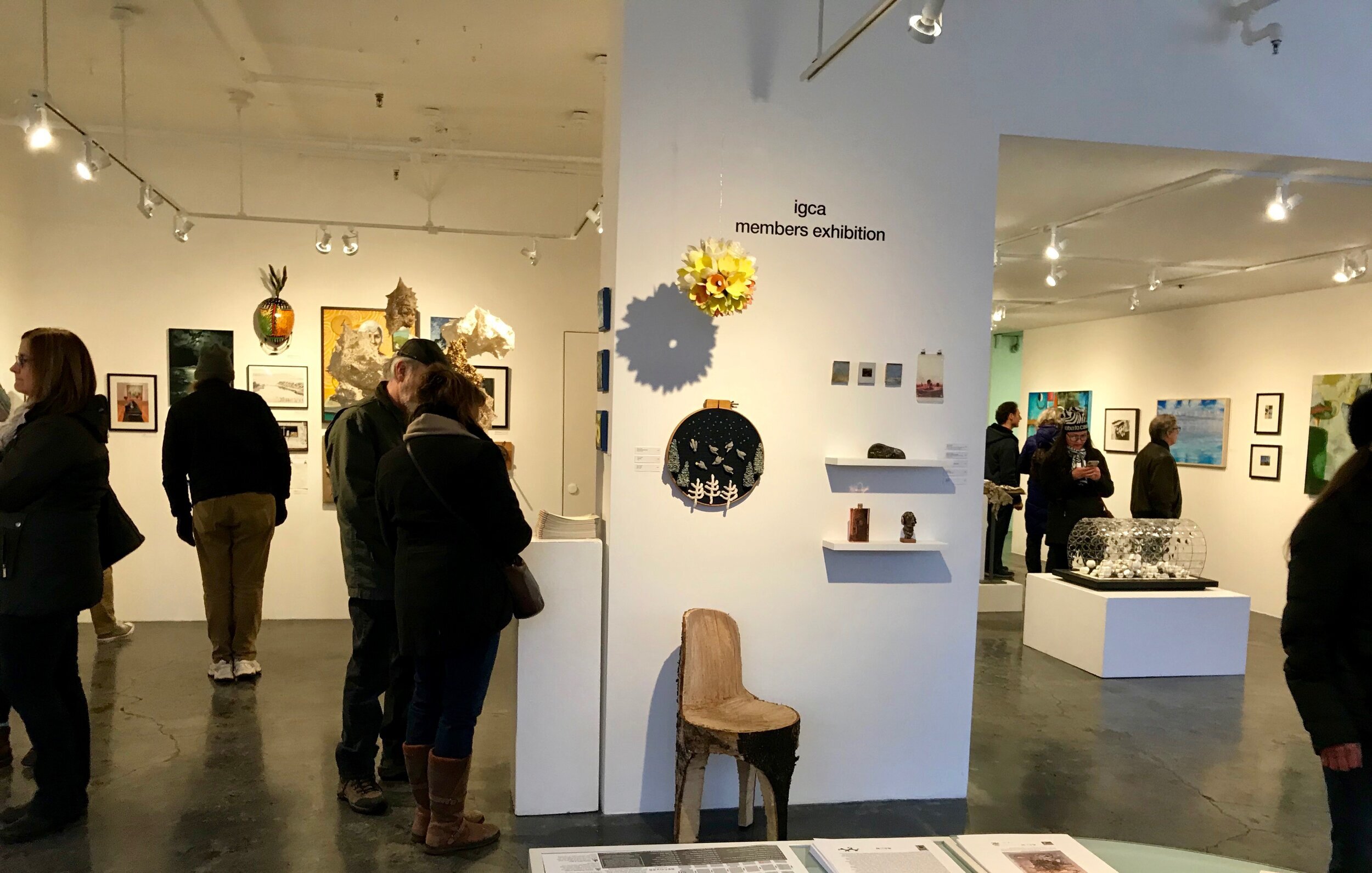
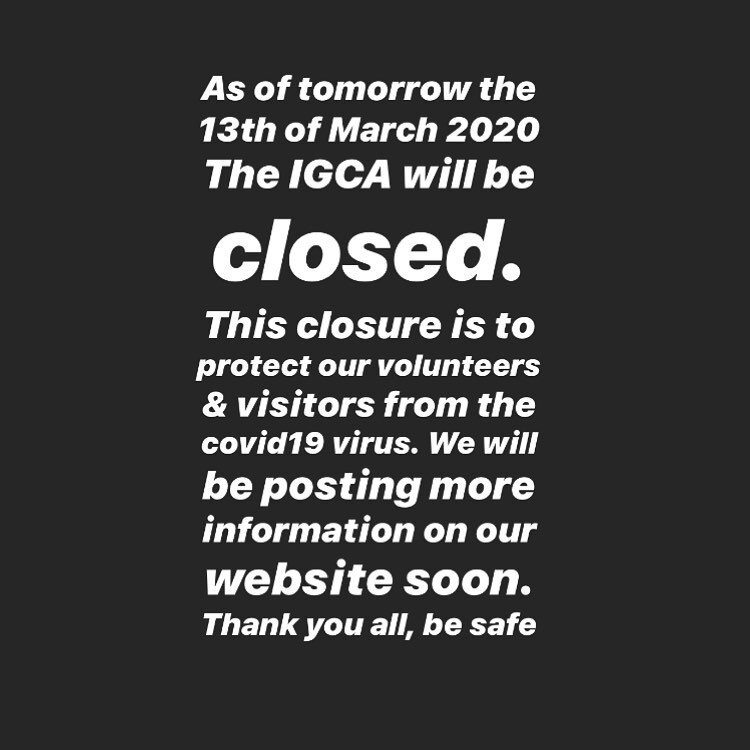
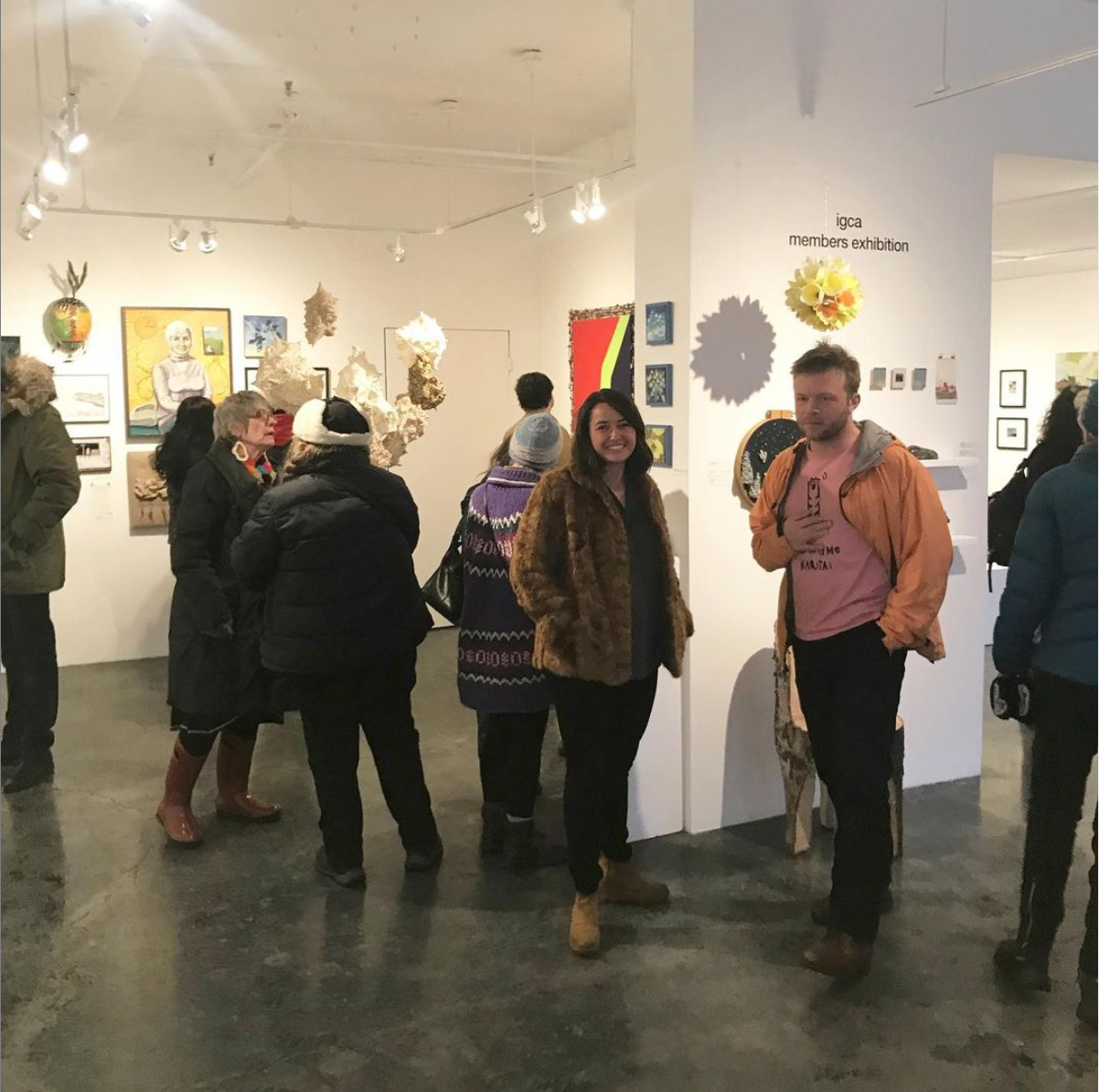
We are a space that is built to be a place for the community to congregate and experience contemporary expression and art. The realities of 2020 shook that fundamental identity; no more first Fridays, no artist talks, no workshops or weekly life drawing. At the time we closed, we were a week into our annual Members show, arguably the most social month of the whole year - a celebration of our gallery’s supporting community. We were finishing up the hand printing of invites to our annual member’s party when the decision came down to close the space. The decision was right, we needed to protect our members, volunteers and the visiting public. But the reality of the situation at the time was bleak.
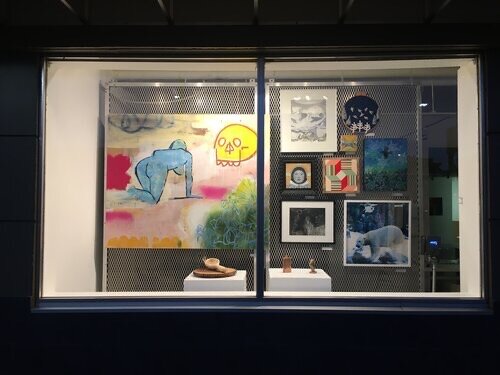
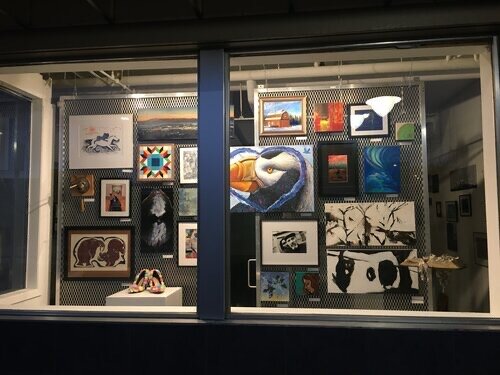
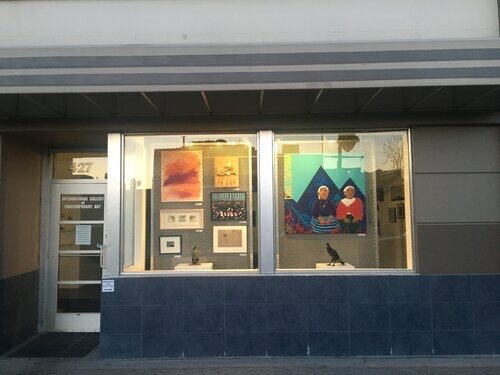
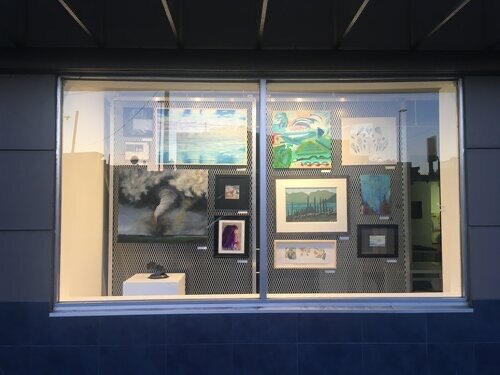
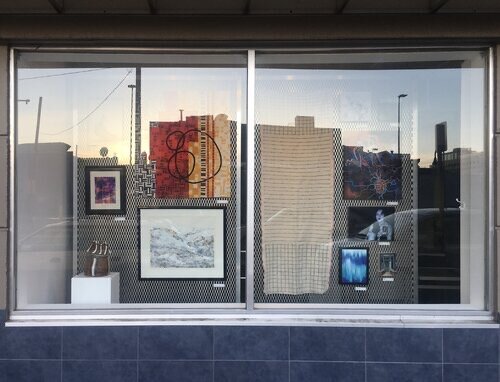
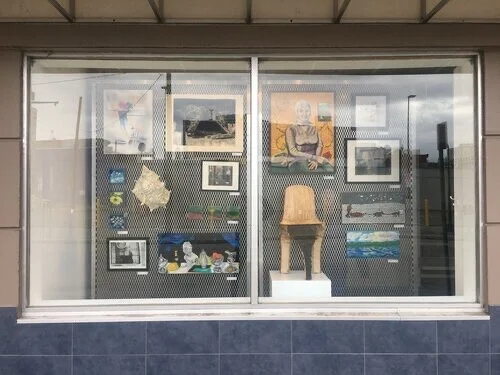
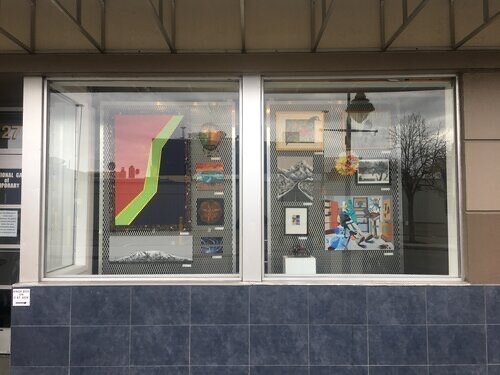
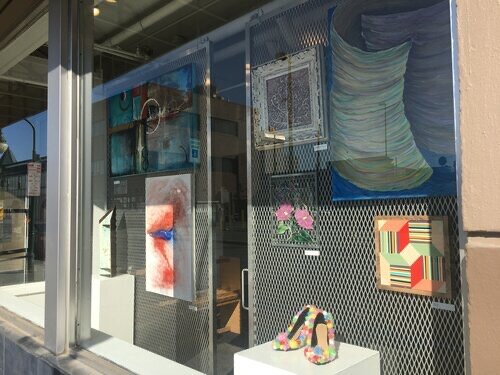
Now, ten months later, that March seems like many years ago. The disaster of rescheduling exhibitions that had been scheduled during the three months of closure, the scrambling to develop new online and distanced efforts to promote and support our artists and community developed an environment where no idea was a bad idea. From installing weekly window displays to ramping up 3D scanning technology in our space, we did everything we could to keep on mission and hopefully be a light in the darkness for our community.

The year we are leaving behind could be summed up as a lonely year - a year of distanced, hunkered down, isolation. But in retrospect, we can, with absolute certainty, say that all of us came together and there were countless lights in the darkness. We have so many heroes to highlight for this year in review, not only to commemorate on the hard times, but to also celebrate that we all survived and in many ways we are reminded that no matter the distance between us - the thread of our community is woven of strong stuff.

First we want to extend our immense appreciation to the artists for being so flexible and cooperative throughout this crazy year. Cancellations, rescheduling, and short notice exhibitions - we asked a lot of these artists this year, but you all reacted and came through with grace and generosity, all while retaining the class, creativity, and ingenuity that we are so proud to facilitate. Thank you!

In addition to the artists, there are many entities working in the background to create this opportunity. We want to make sure and give credit to them for their extra efforts (both monetarily and with their time), which allowed us to keep our space even through closure, helping us to take the time to develop systems and adjust to the "new normal" that came along with Covid-19… Thank you to Neighborworks Alaska, Rasmuson Foundation, The Carr Foundation and the Municipality of Anchorage.

To our volunteers who showed up to the gallery and kept the doors open. During a pandemic, when the risks of being in the public is great, and the work of maintaining social distancing, sanitation, protection and security of the space was harder than could be expected of any paid employee... let alone a volunteer, you stood up to the challenge, and kept the doors open. You are absolute heroes to us, our exhibiting artists and the community. You are the reason this town still had a quiet, clean, safe space to visit amongst the chaos.
So - Joseph Carr, Mary Kancewick, Stephen Gray, Jen Wang, Linda Lucky, Elise Rose, Donna Carr, Lloyd Crow, Heidi Weiland, Kelly Brabec, Sharon Trager, Nan Thompson, Marybeth Holleman, Sarah Woolley, Nathan Perry, and Deborah Hansen - with full hearts we thank you.

Thank you to our board, Don Mohr, Daniel King, Donna Carr, and Amy Robinson & Joe Carr, that took the time and effort to have the discussions and make the calls through this very difficult time.

To our Gallery Manager and hanging assistant, Karinna Gomez and Hans Hallinen. It was a tough year, switching to being 100% online and then having the combination if in person and online exhibitions was no easy task. Through it all our contracted staff was there, dialing everything in and making sure the the gallery, its exhibitions (online and in person), and day to day operations continued with the professionalism and quality we all have come to expect from the IGCA… thank you.

And last but not least, To our members, the backbone of our financial stability. During an economic time of uncertainty, anyone would understand limiting the expenses that include one’s financial membership support of the gallery. We expected our membership to suffer because of the stark economic condition of our state and country. But our members responded by continuing to support our space, by continuing to place value on the IGCA. It is very encouraging to receive the public support during good times, but for it to maintain even during the darkest of times is humbling. We appreciate every single member as the family of the gallery, and we thank you.


On to 2021….

And now here we are in 2021. We are being careful not to put too much expectation on this brand new year. But that is a little hard to do with such a great line up of exhibitions ahead of us which you can preview via the slideshow below. Keep in mind, there are still a lot of unknowns out there so all scheduled exhibitions are somewhat tentative.
We will continue to monitor the pandemic situation and are hopeful that we will be able to have events and gatherings in the not too distant future. But until then, we will be continuing our programing of artist led exhibitions with limited open gallery hours of Wed through Sat, 12-4pm and extensive online efforts so that everyone can safely experience these wonderful exhibitions of 2021.

By the way, we do still have some gaps in our scheduling for 2021. Consider submitting a proposal to exhibit in 2021 or beyond. We would love to hear from you and are excited to see what you have in mind for the space.

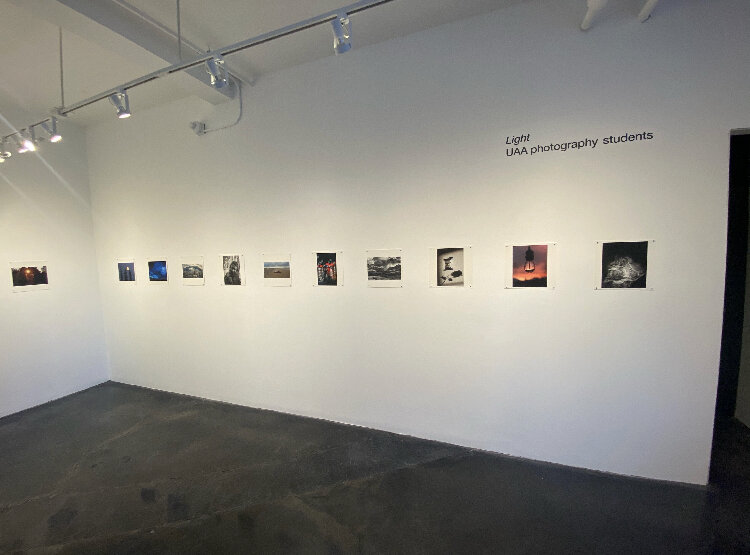
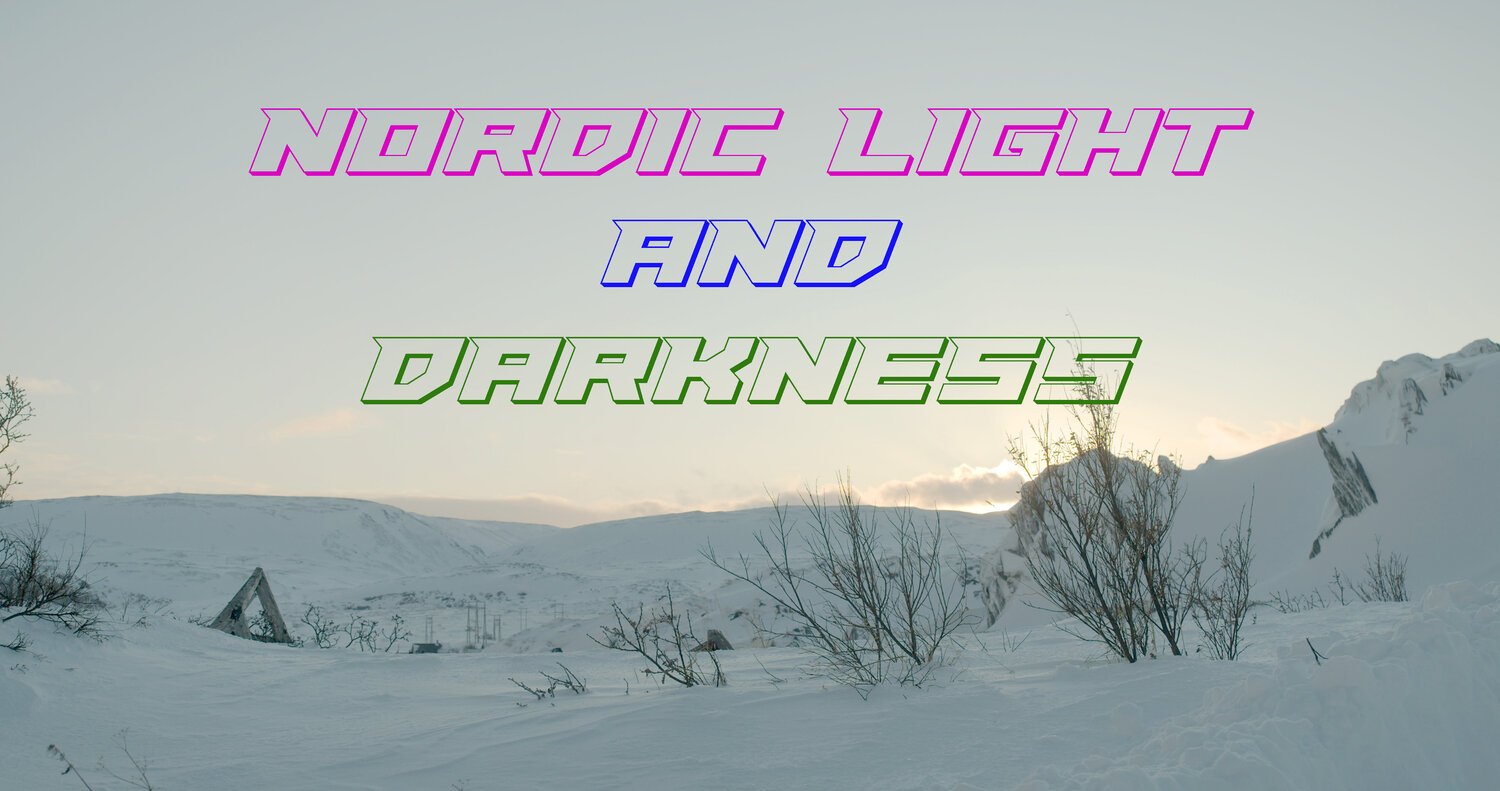
Light | UAA Photography Students

JANUARY 2021
SOUTH GALLERY
Light | UAA Photography Students


The word photography literally means “drawing with light” in Greek. Light is the source of all images. The task of the photographer is find, use or make light that describes their subject. In this darkest time of the year, this group of photography students from UAA interpret the subject and symbolism of Light in Alaska.

This exhibition was curated by Michael Conti. Artists include: Sarah Baktuit, Tyler Bartlett, Albert Bowling, Caitlin Cerimele, Cam Dolan, Connor Duffy, Connor Farrar, Emily Gordon, Anita Green, Christopher Hagel, Cassidy Johnson, Lei’Lani Kiana, Michael Leonard, Matthew Meyer, Aaron Porter, Kristen Reynolds, Ja’Nae Robinson and Liza Spencer.


Virtual Exhibition Tour

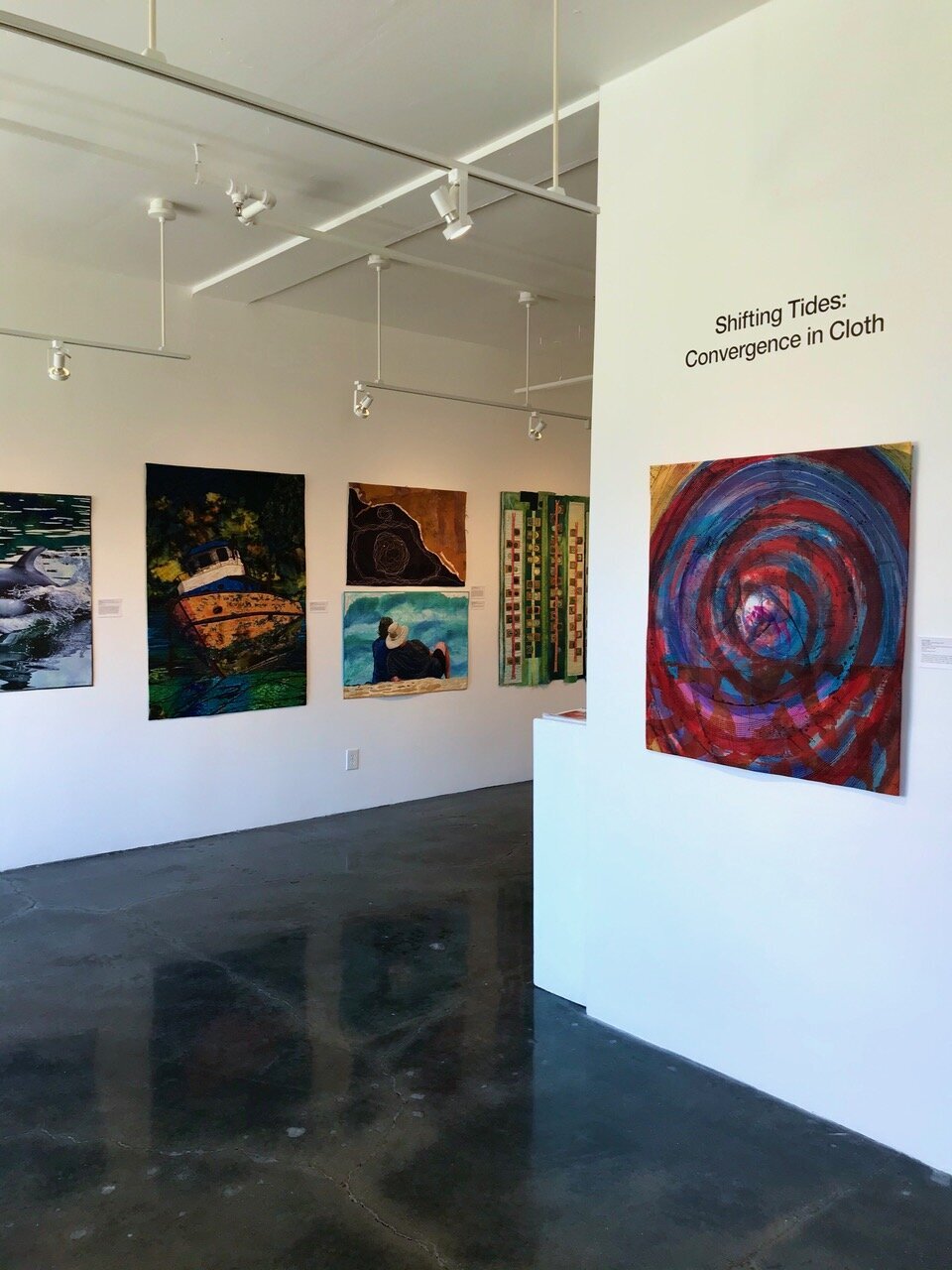
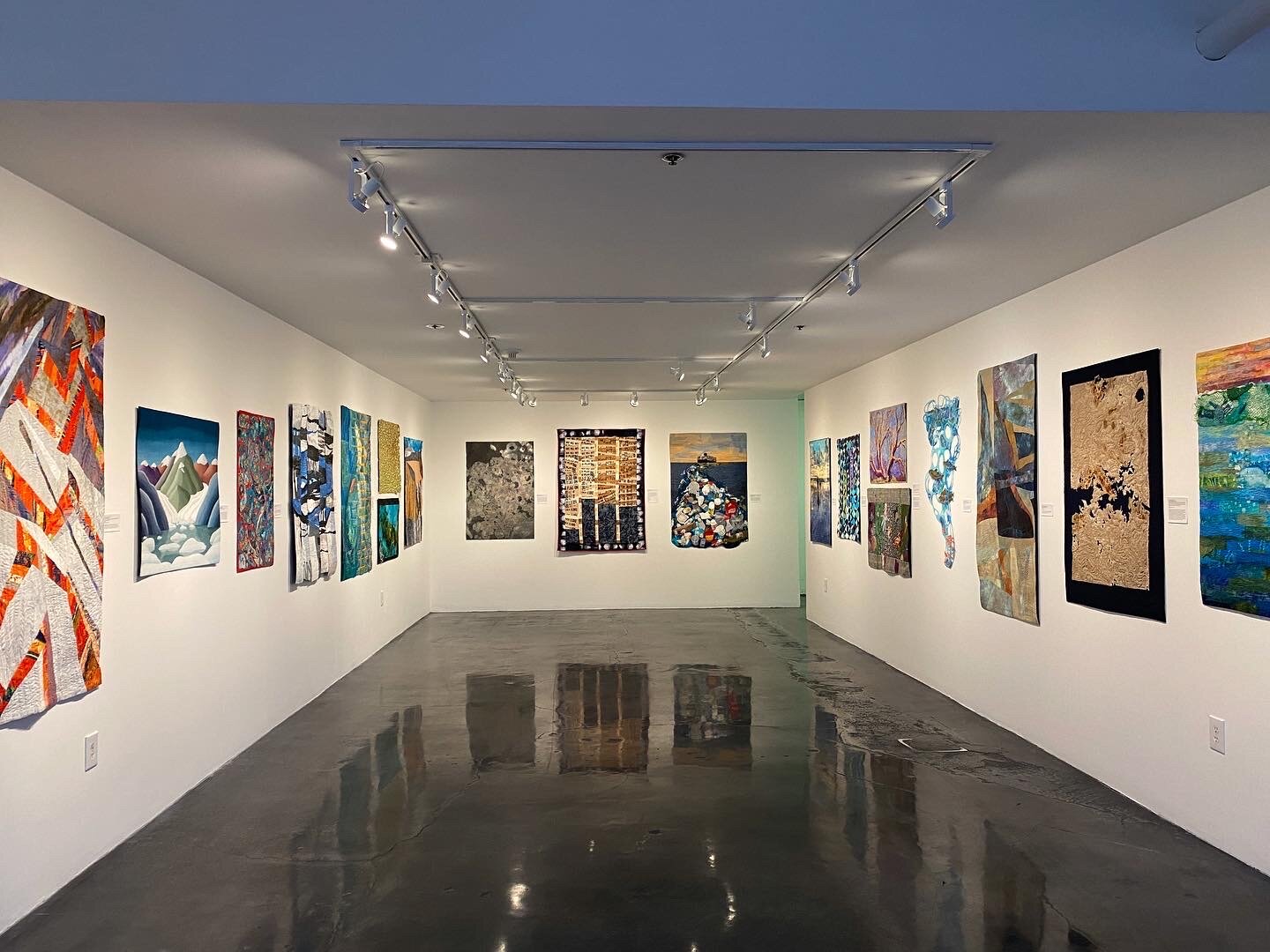
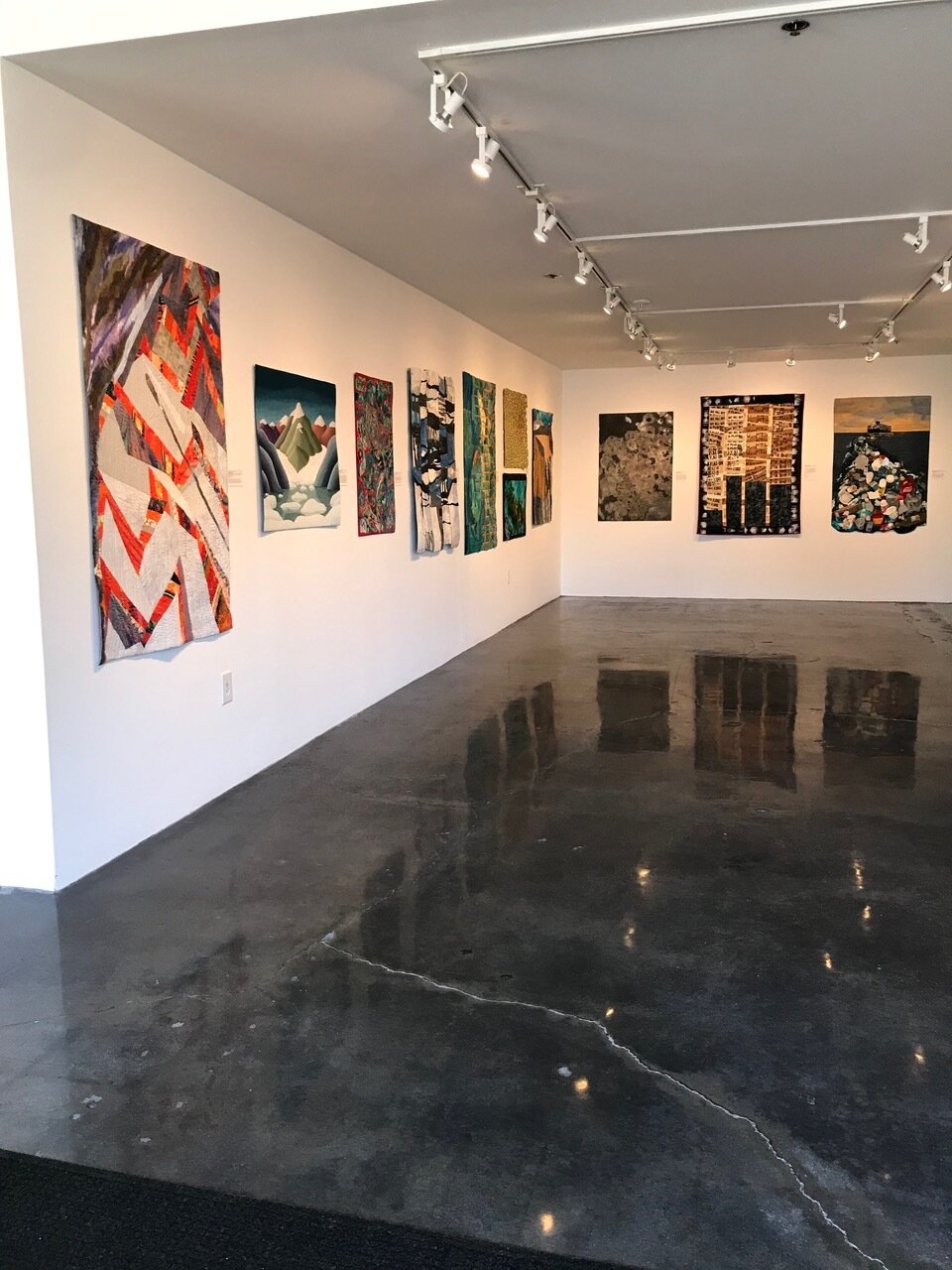
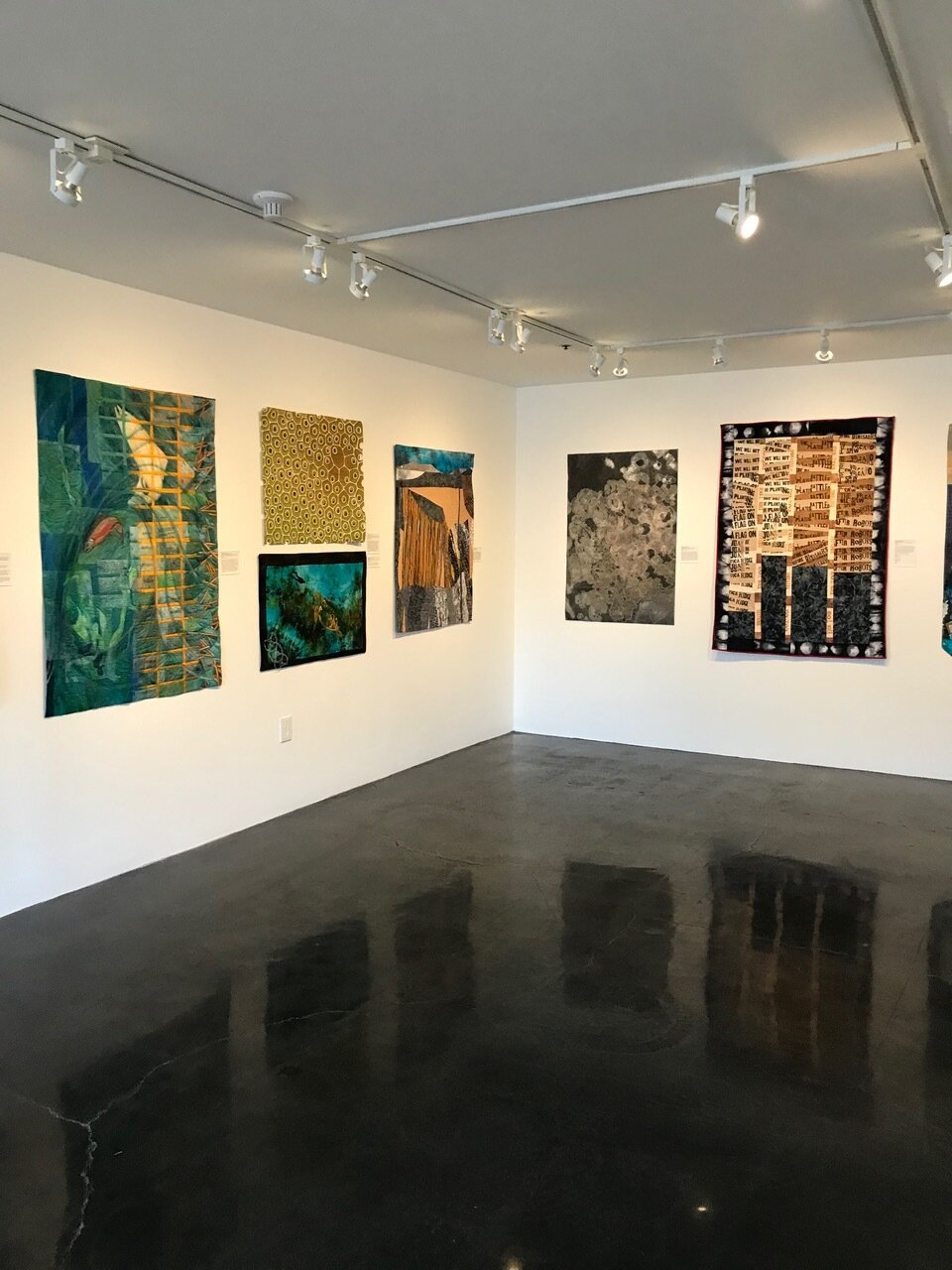
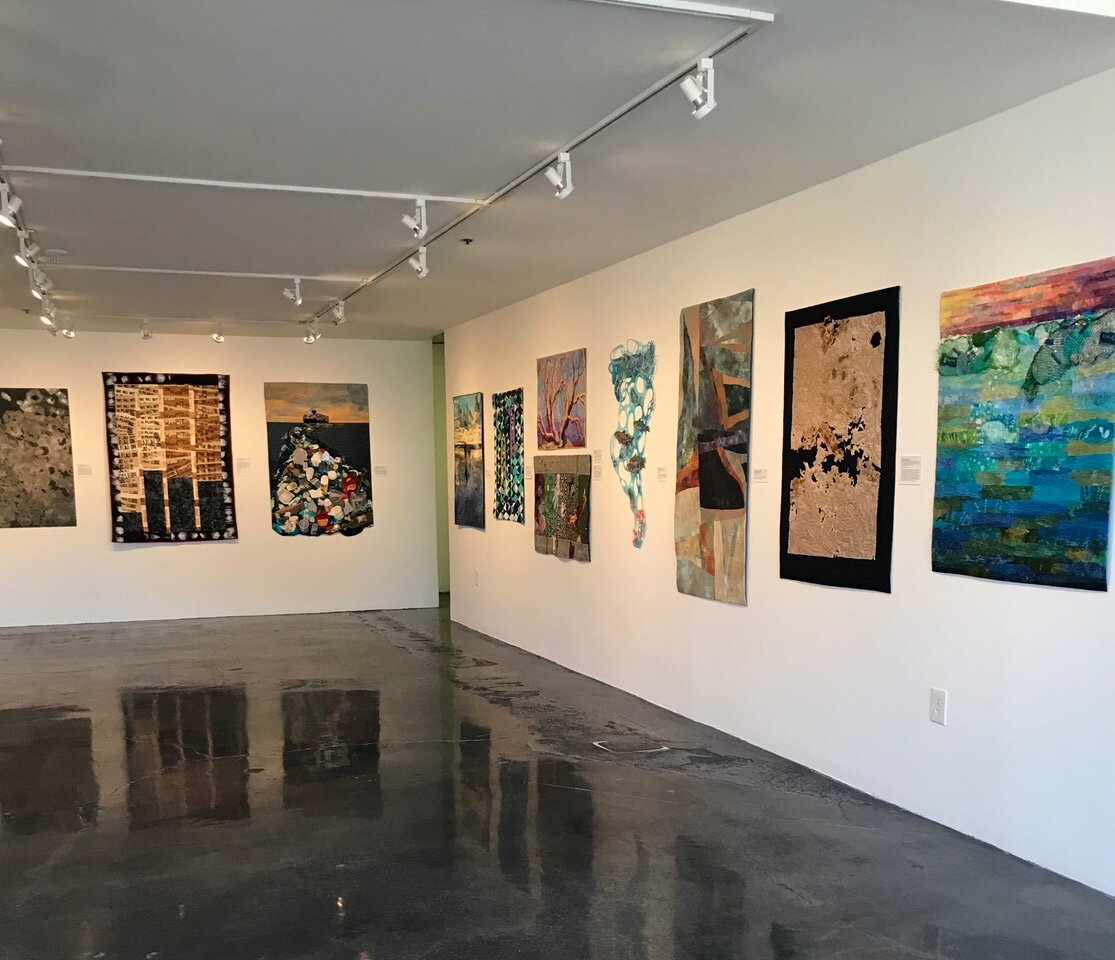
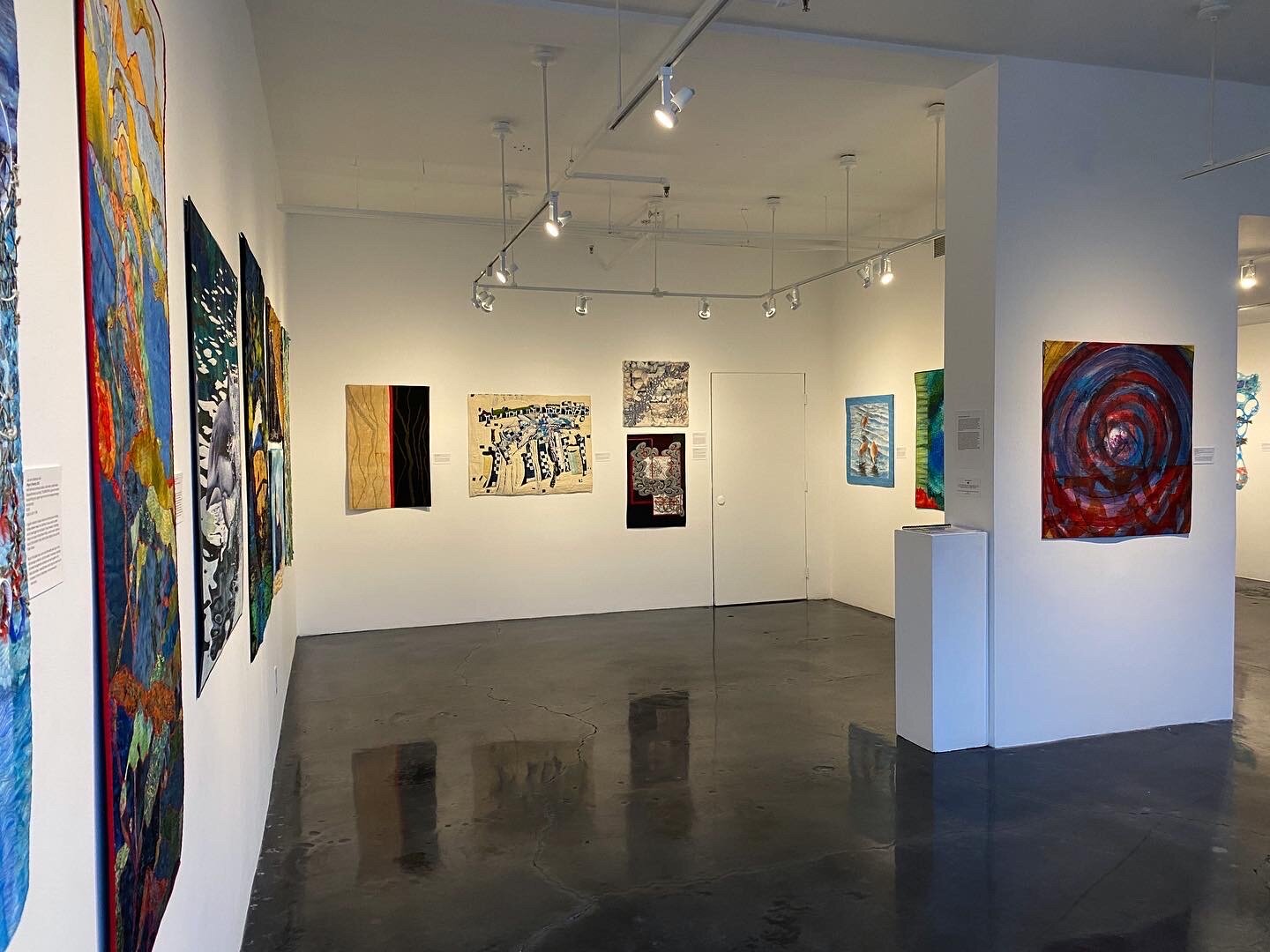
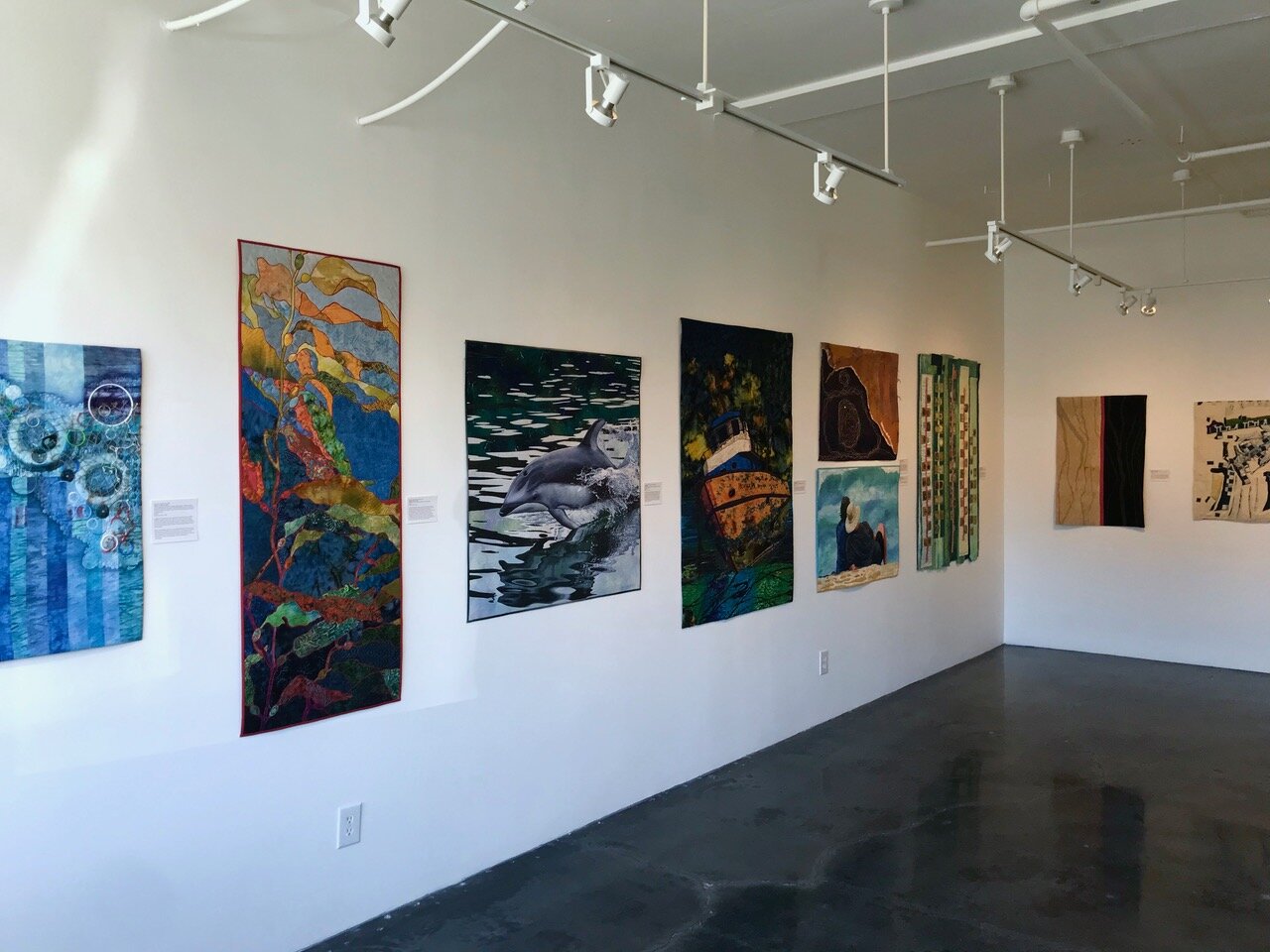
Shifting Tides: Convergence in Cloth | SAQA Juried Exhibition

SEPTEMBER 2020
Shifting Tides: Convergence in Cloth | SAQA Juried Exhibition


In an arc along the western shores of North America to the archipelago of Hawaiian Islands, the Pacific Ocean is a source of life and livelihood. Yet threats to the Pacific ecosystem are growing. These perils challenge our perception of the ocean as limitless bounty. Overfishing and global warming threaten not just oceanic life, but the human communities that depend on it. The Great Pacific Garbage Patch draws in waste material from across the ocean, including coastal waters of Canada and the United States. The ocean knows no boundary. The convergence of these ecosystem issues requires communities and governments to also converge in finding solutions.

Shifting Tides: Convergence in Cloth focuses on the current state of the Pacific Ocean ecosystem, its marvelous natural diversity, and the human activities that both sustain and threaten oceanic life. Whether one lives on the ocean or in the interior, the Pacific touches many lives and economies. As residents of this greater North Pacific region, artists share personal narratives and statements about what exists, current threats, and needed actions. The exhibit includes a representative range of North Pacific mainland and island habitats and issues. The selected works may focus solely on one area of flora, fauna, geology, oceanography and human activity, or may combine them. Subject matter may be inspired by sources as personal as vacations or fact-based as current scientific research. Through the variety of artistic styles and viewpoints from realism to abstraction, Shifting Tides: Convergence in Cloth will delight and challenge viewers to assess their own perceptions regarding the interplay of oceanic and human communities.

Shifting Tides: Convergence in Cloth features the artwork of members of the Studio Art Quilt Associates, Inc. (SAQA). SAQA was founded in 1989 as a non-profit organization whose mission is to promote the art quilt through education, exhibitions, professional development, documentation, and publications. Visit the SAQA website to find out more about the organization.

The exhibition is juried by textile artist Ann Johnston. Find out more about this artist at her website.

Audio Presentations
To hear each artist speak about her artwork, call (703) 520-6404 and enter the Cell Guide number followed by the # sign on your phone. 

You can begin by listening to an introduction to the exhibition by Denise Oyama Miller: Guide by Cell #: 2171. Then find a Guide by Cell number for each work below. 


attwell_CLARE_surging-tides-final.jpg

Clare Attwell

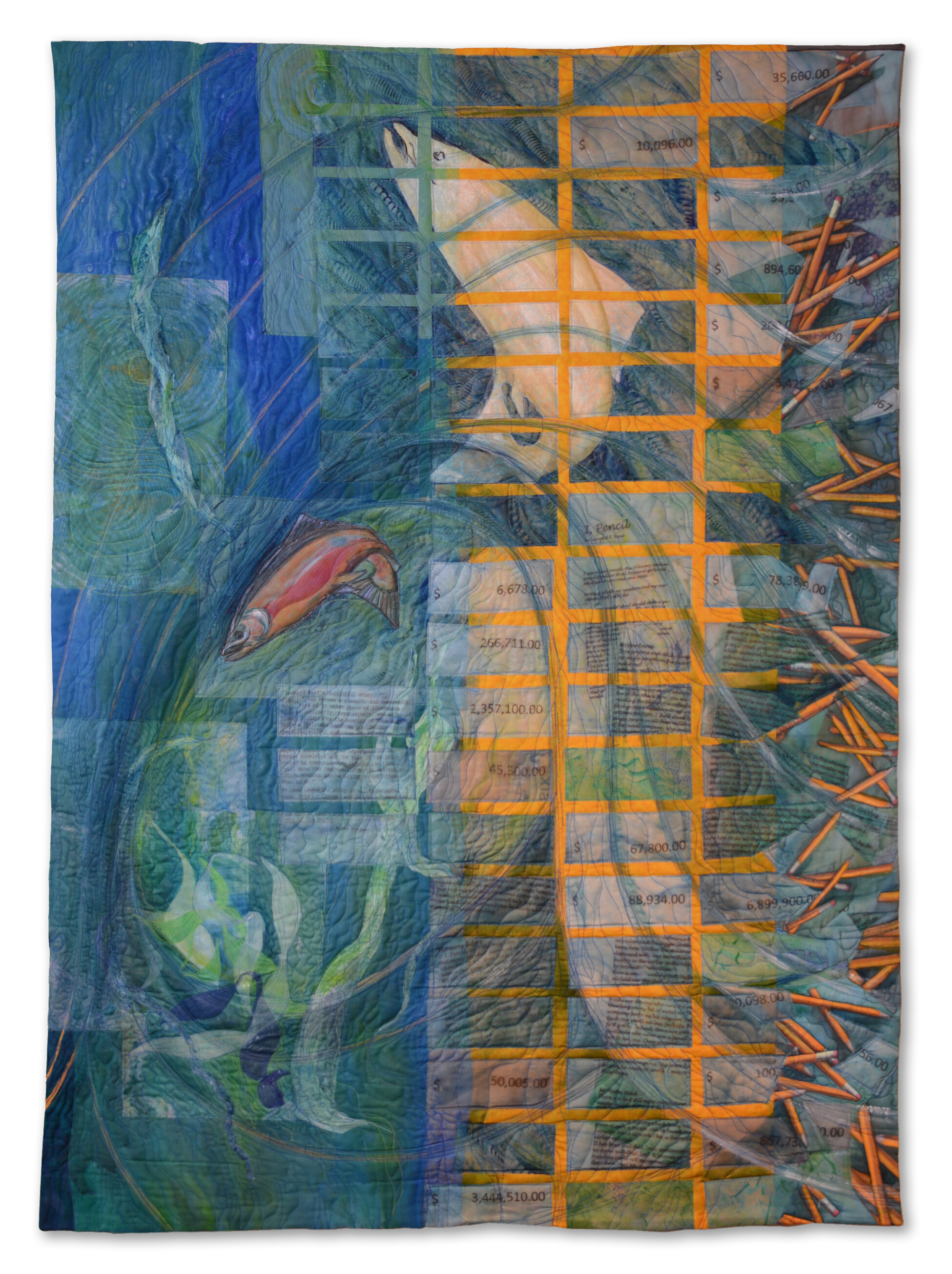
Surging Tides of Consequences, 2018

Acrylic inks & paints, wheat paste, polyester sheers, photo print on cotton, cotton fabric, polyester batting, thread
55 1/2 x 39 1/2 inches

Cell Guide #: 2172

When Milton Friedman used Leonard Read's essay, "I, Pencil" to illustrate the wonders of 'the invisible hand of the market' in a lecture on free market economics, it captured the imagination of the Western world. The yellow pencil became a symbol of this 'miracle'. One thing Friedman's economics didn't capture was everything that didn't fit neatly onto a spreadsheet – thus, if it wasn't captured on the spreadsheet, it wasn't given value in the new economics. The social and environmental consequences of this approach are now everywhere, from climate chaos to mass human migration and species extinctions. Like the emotional impact of Hokusai's wood cut print, The Great Wave Off Kanagawa, there is a growing sense that life on earth is on an ominous precipice, driven headlong into the violent storm by an economic system incapable of valuing what really matters.

Purchase Surging Tides of Consequences


Karen Balos

Port of Oakland, 2017

Paint, cotton fabric, commercial felt, thread
33 x 40 inches

Cell Guide #: 2173

The Port of Oakland links the West Coast to the Pacific Ocean. As an economic entity, it has both the problems (pollution, dredging spoils) and benefits (carbon-saving 'green' routes, i.e. train to ship; ferry commuting service), of that connection. It is our portal to the world, and our responsibility to ecology of the sea.

Photo credit: Sibila Savage

Purchase Port of Oakland

balos_KAREN_port-of-oakland_final.jpg

bardach_NANCY_rising-tides.jpg

Nancy Bardach

Rising Tides, 2018

Cotton prints, marbelled, and hand painted fabrics, 80/20 batting, cotton texturing threads
60 x 38 inches

Cell Guide #: 2174

Rising seas caused by climate change are threatening to all. Whether urban seawalls collapse or beaches for sea lions and elephant seals erode, human beings suffer and lose. We seem to be surfing uphill in our current battle to avert this tragic future.

Purchase Rising Tides 


Diana Bartelings

Help Me!, 2018

Hand dyed cotton fabric, commercial cotton fabric, netting, plastic and a bead
24 x 37 inches

Cell Guide #: 2175

A turtle tangled in a seining net spies a diver and swims for help. Thankfully the divers are all to happy to help these poor creatures whose ocean has become polluted by our carelessness.

bartelings_DIANA_help-me final.jpg

beasley_ALICE_in-my-wake final.jpg

Alice Beasley

In My Wake, 2018

Silks and cottons (both commercial and printed by artist), organzas (silk and polyester); felt backing
56 1/2 x 37 1/2 inches

Cell Guide #: 2176

We all know our oceans are "drowning" in our packaging. But this exhibition has forced me to recognize that ocean pollution isn't just "somebody else's problem", it's my problem too. Each item shown is a fabric replica of packaging culprits that I found in my own house -- the plastic, cardboard, glass, aluminum and paper containers that will eventually have to be disposed of somewhere. (A recycling center? A landfill? An ocean?) This piece shows a worst case scenario: my household disposables adrift in an ocean in the wake of a container ship bringing still more rubbish to me.

Photo credit: Sibila Savage Photography

Purchase In My Wake 


Beth Blankenship

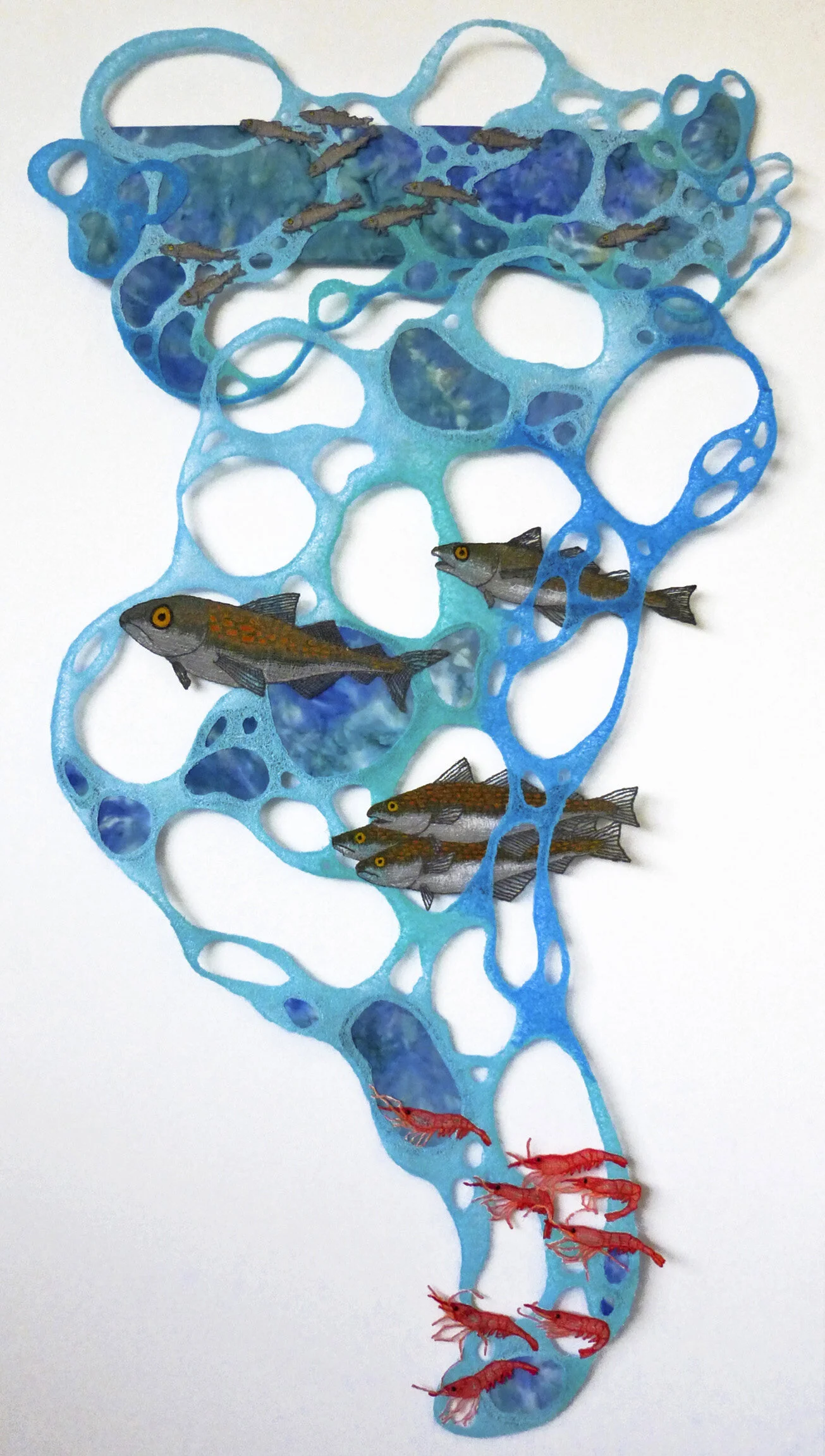
Nowhere To Run To, Nowhere To Hide, 2018

Polyester and rayon thread, water-soluble stabilizer, commercial fabric, fusible interfacing and glass beads
48 x 27 inches

Cell Guide #: 2177

The Pacific Ocean is warming. This reality spells trouble for many sea creatures, especially those living in frigid northern waters. Cod, pollock and northern shrimp—seafoods we enjoy eating—rely on very cold water to feed and to breed. The range where they thrive is shifting further and further northward. Soon they will run out of "north"—Arctic Cod already have.

blankenship_BETH_nowhere-to-run-final.jpg

bucknam_BONNIE_estuary-anaheim-final.jpg

Bonnie M. Bucknam

Estuary–Anaheim Back Bay, 2014

Cotton hand-dyes by the artist
60 x 30 inches

Cell Guide #: 2178

I grew up in Southern California where oil production sometimes blended into the environment. The estuary was a place where shorebirds flourished among the oil derricks.

Photo credit: Mark Frey

Purchase Estuary-Anaheim Back Bay


Sharon Carvalho

Colors of Melting Glaciers, 2018

Materials involve variety of both commercial and personally designed and printed fabrics as well as rice paper. Cottons, sateen, linen, and muslin were used.
41 x 32 inches

Cell Guide #: 2179

"Colors of Melting Glaciers" is second in a series of works providing a visual narrative to accelerating environmental damage.

Glaciers are 10 percent of all land area and are melting at a rate that makes them critical signs for climate change. For example, glaciers in the Cascades have shrunk by about 50 percent since 1900. Worse yet, as global glacial melt continues, sea level rise could reach 230 feet. The chilled waters from glacial melt will do nothing to mitigate warming ocean water.  That means not only more frequent and severe hurricanes but also decimation of marine life, including coral reefs—all of which will result in limiting major food supplies for the world.

Photo credit: Melinda Knapp

carvalho_SHARON_colors-of-melting.jpg

confer_BARBARA_requiem_.jpg

Barbara Confer

Requiem, 2018

Cotton, chenille, lace, yarn and trims
25 x 36 inches

Cell Guide #: 2180

On the North Coast many old oak trees have become victims of a disease known as Sudden Oak Death, a sickness brought in to the state on plants from South America. Hundreds of old oaks have perished from this disease.

The tree pictured here lived in the large regional park behind my house. Even when no longer alive it is still beautiful.

Purchase Requiem


Judith Content

Sea Change, 2018

Thai silk, various threads, organic cotton batting and raw silk lining
54 x 22 inches

Cell Guide #: 2181

A sea change isn't a modest change, but something that no longer resembles what it once was. If rising temperatures continue and increasingly massive Pacific storms result, coastal ecosystems could experience a perilous metamorphosis. As I worked on this quilt, images of storm surges and flooding swept through my mind and onto the cloth I was dyeing and quilting. "Sea Change" was inspired by an ocean on the brink of radical change.

Photo credit: James Dewrance

Purchase Sea Change

content_JUDITH_sea-change.jpg

Phyllis A. Cullen

The Burning Sea, 2018

Cotton fabrics, hand dyed and commercial, cotton batting, wool roving, cheesecloth, silk and rayon threads, misty fuse, tulle
33 x 38 inches

Cell Guide #: 2182

A photo I took from a boat 10 feet from the lava rushing into the sea was my inspiration to depict the tumultuous events defining our island. The water around us was steaming, and lava bombs were flying.


Caryl Bryer Fallert-Gentry

Splash, 2018

Paint, ink, 100% cotton fabric, acrylic & polyester thread, 100% wool blanket as batting
41 x 41 inches

Cell Guide #: 2183

In June of 2018 we took a photographic expedition to the north end of Vancouver Island in British Columbia. We spent two twelve-hour days on a small boat viewing wildlife. In the Broughton Islands we encountered a pod of 200-200 Pacific white-sided dolphins. They followed in the wake of the boat, jumping through the wake and splashing back into the water, looking like they were having lots of fun. My husband Ron was shooting ten frames per second with a fast shutter speed and caught several pictures of the frolicking dolphins. With Ron's permission, this quilt is based on the most graphic of those photos.

Purchase Splash

fallertgentry_CARYL-BRYER_final.jpg

garnett_JUDITH-QUINN_2050 final.jpg

Judith Quinn Garnett

2050, 2018

Over 150 shopping bags, my daily newspaper bags, plastic netting from a neighborhood garage sale, a discarded plastic party table cloth from the recycle center, 100% ECO recycled polyester felt, a repurposed cotton bed sheet
50 x 41 inches

Cell Guide #: 2184

2018 began with the daunting reality that China would no longer accept plastic recycling from the US due to the comingled abundance of contaminated waste.

I was impelled to observe the use of plastics in my own home and began collecting our discarded bags. The pile of seemingly thoughtless waste multiplied as I realized that even our Portland newspapers arrive in plastic bags. As my concern grew, I began fusing the bags as the surface of this piece.

As we ignore this growing mound, research states that by 2050 the plastics that have migrated into the North Pacific will be greater than the population of fish. I hope we can shift the tides of consumption before we drown in the plastic ocean we created.

Photo credit: Sam Garnett

Purchase 2050


Alisa Golden

Undersea Colonies, 2018

Cotton, silk, linen thread, metallic paint, oil-based ink, black tea, dye, printed cotton
60 x 43 1/2 inches

Cell Guide #: 2185

Vivid colors in a newspaper article opened a world previously unknown to me. Deep in the Pacific Ocean, where plates collide below the cold, earth's kitchen builds lava chimneys, black smokers, and a hot hearth at the Juan de Fuca ridge. Here, tube worms, palm worms, and deep-sea creatures co-exist as they did long before us and will, if we let them, live long after. Already elsewhere, people have disregarded similar life and packed probing tools, intent on dredging for minerals, claiming magnesium, cobalt, and gold for their own. While humans are just dots on a timeline, we still have the choice to impact or respect our collective home.

The fragmented text shifts and collides as follows:

We will not

be planting

a flag on

Juan de Fuca ridge.

The plates rattled

before dinosaurs.

The volcano will spew

after robots.

Tick tock.

Tectonic.

Purchase Undersea Colonies

golden_ALISA_undersea final.jpg

hall_LOUISE_atomic-atoll_final.jpg

Louise Hall

Atomic Atoll, 2018

Hand dyed and commercial cotton fabrics, batting, thread, and fusible interfacing
36 x 36 inches

Cell Guide #: 2186

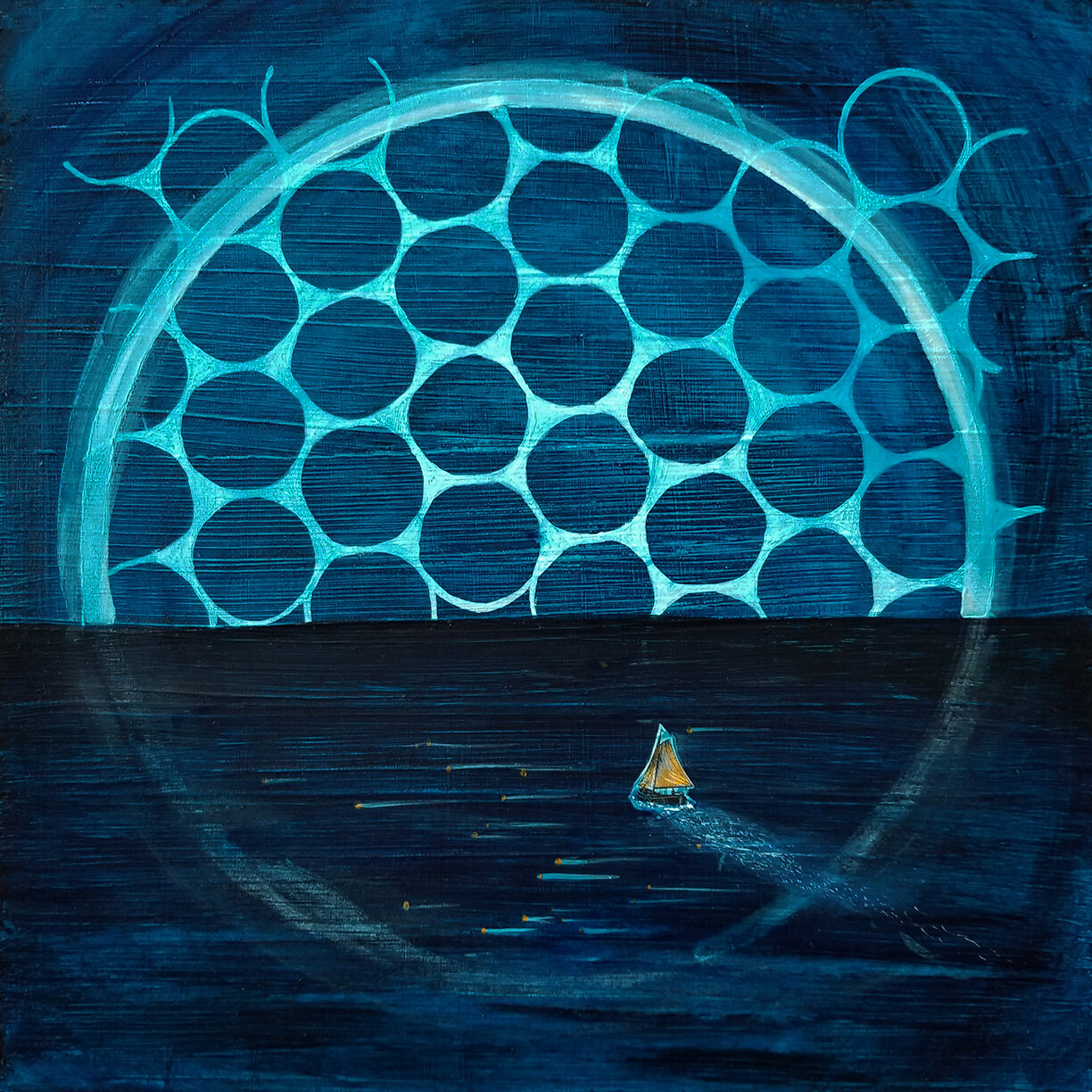
The Dome on Runit Island is a legacy of the United States atomic testing from 1946-1958. Runit is one of 40 islands in the Enewetak Atoll, part of the Marshall Islands. Runit Dome, or The Tomb as the locals call it, is a legacy of the 43 nuclear tests the United States conducted there. The 18" thick concrete dome was constructed in 1979 in one of the old bomb craters. The crater, unlined due to cost considerations, is filled with nuclear waste and solid chunks of highly toxic plutonium. The sea level has risen and is penetrating the dome due to the porous nature of the sand and coral that comprises the atoll. With climate change, the increasing ferocity of storms is of enormous concern because Runit is only 2' above sea level. The contents of the dome, as well the surrounding sediments, are dangerously radioactive.

Photo credit: Rhames Photography

Purchase Atomic Atoll


Janet Hiller

An Instance of Change, 2011

Hand dyed and over-dyed cotton and cotton/bamboo blends
35 x 40 inches

Cell Guide #: 2187

Every evening is the same--as regular and peaceful as clockwork. Yet every evening presents a different drama in that one instant before the setting of the sun. A shift in light, perhaps. Or the sudden, alarming change in direction of a flock of seabirds.

Photo credit: Jon Christopher Meyers

Purchase An Instance of Change

hiller_JANET_an-instance-of-change_final.jpg

jaeger_JUNE_topical-final.jpg

June Jaeger

Topical Metamorphism, 2018

Both the blue background and the tan map are Kona Cotton solid fabrics. I used Dream Cotton batting and a cotton print fabric for the backing. For hand stitching I used Valdani Pearl Cotton thread, and for machine topstitching I used Aurifil thread.
46 x 36 inches

Cell Guide #: 2188 

The Northwest contains a great diversity of climate and landscape including desert, mountains, forests, rivers and ocean side. Our Pacific Ocean maintains our planet's equilibrium, playing the major role of our climate. Thousands of species of birds, fish, and mammals inhabit the Northwest. The mixed ecosystem of sea and land are essential to life. The sediments deposited into the ocean from our rivers help to curb the ocean erosion, creating breakwater, thus protecting the shoreline. "Topical Metamorphosis" portrays a topical map section of the northwest shoreline where rivers meet the ocean, constantly changing...a metamorphosis continues.

Photo credit: Paige Vitek


Lisa Jenni

Rings of Eternity, 2018

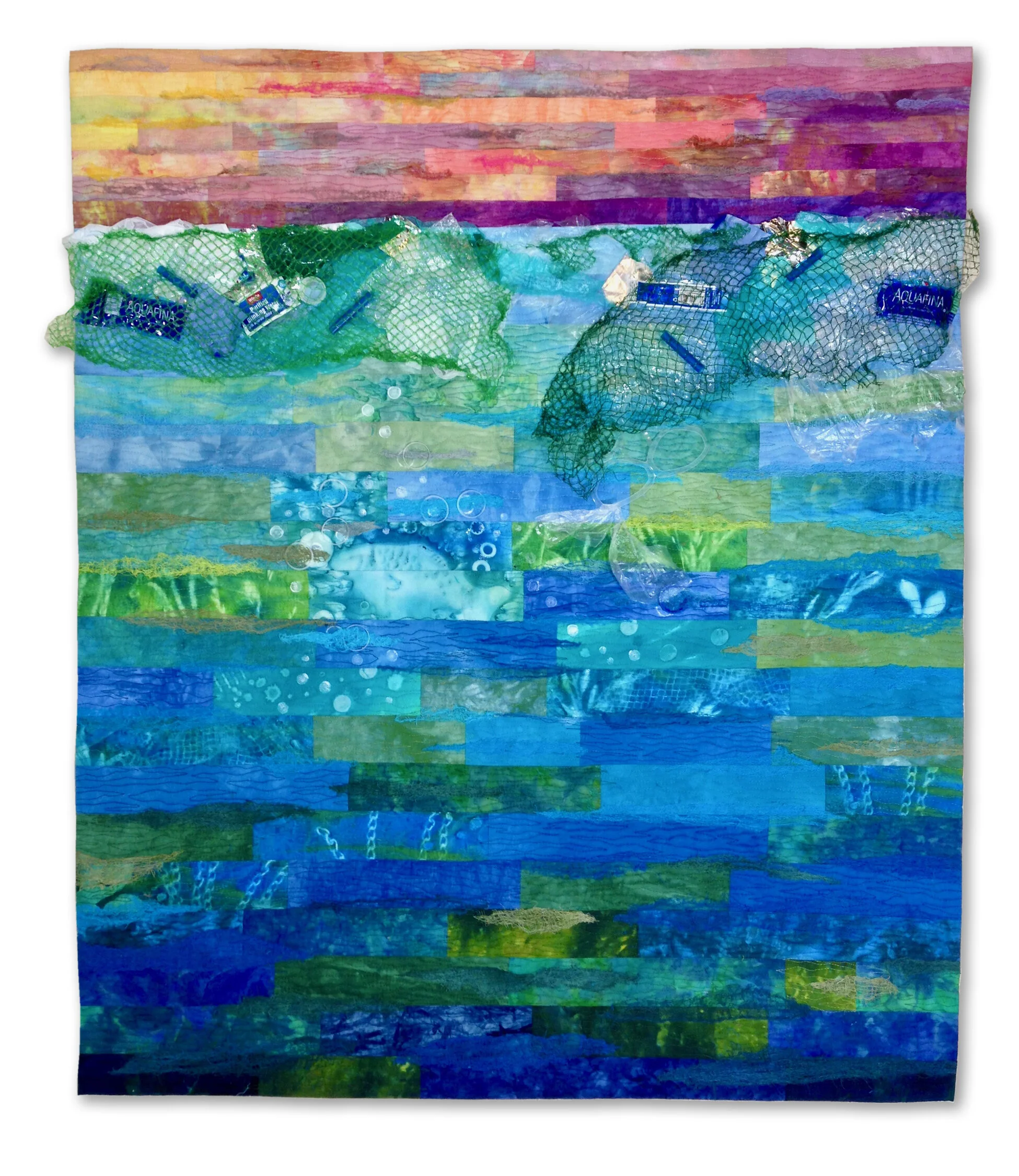
Hand dyed and commercial cottons, cotton batiks, quilting threads, Setacolor® textile & puff paint, TSUKINEKO® ink, genuine American recycled fishing net, plastic rings from food and beverage packaging, recycled string
33 x 41 inches

Cell Guide #: 2189

A gigantic collection of plastic, trash and lost fishing nets is floating halfway between Hawaiʻi and California. Its size is said to extend over an area bigger than the State of Texas. However, this floating mess is not unique to the northern Pacific, a similar patch of debris is found in the Southern Pacific, North & South Atlantic Ocean and the Indian Ocean.

Much of the plastic trash, such as the little safety-seal rings on food and beverage containers, could be avoided, if consumers, producers and waste managements worldwide would work together to find better alternatives. Especially these colorful rings have been found in carcasses of chicks of albatrosses, who die eventually of malnutrition.

Purchase Rings of Eternity

jenni_LISA_rings-of-eternity final.jpg

landau_JENNIFER_mighty-mussel final.jpg

Jennifer Hammond Landau

Mighty Mussel, 2018

Wool fleece, tulle, silk, and synthetic sheer fabric
34 x 38 inches

Cell Guide #: 2190

Mussels thrive along the Pacific coast, providing a critical role in the ecosystem as well as a tasty meal. Like other bivalves, mussels are a natural filtration system, cleaning toxins from tidewaters. In using mussels to test the pollution levels in Seattle's waters, disturbingly, scientists are finding high levels of caffeine and opioids. I admit that this "household cleaning" function makes me wonder a bit about what I am ingesting when enjoying the family favorite, "Moules Frites.

Photo credit: Sibila Savage Photography

Purchase Mighty Mussel


Cat Larrea

Tidewater Glacier, 2018

100% cotton, cotton thread, eco-fi felt batting
30 x 36 inches

Cell Guide #: 2191

A tidewater glacier is one that reaches the sea.  Having lived for over thirty years in Alaska, one of the most dramatic indicators of global warming I have witnessed is the alteration and thermal erosion of our sea level "ice rivers". My representation simplifies how multiple glaciers, like rivers, can flow together. However, in a relatively short time, my imaginary glacier will become two independent ones as it melts and seemingly withdraws up each valley. Gone will be its icebergs, its thunder as it fractures and calves, and in its place will be new exposed earth, ready for the change vegetation brings.

Purchase Tidewater Glacier

larrea_CAT_tidewater-glacier final.jpg

leblanc_SHERYL_pacifica_final.jpg

Sherly LeBlanc

Pacifica, 2018

Commercial and hand dyed fabrics, yarns, sequins and beads
59 x 41 inches

Cell Guide #: 2192 

The vessel "Pacifica" symbolizes the rapidly diminishing livelihood of the single commercial fisherman. With the deleterious effects of rising water temperature, pesticide runoff, radiation mutation from Fukishima, oil spills, and continued silting of the ports and harbors, not to mention historical over-fishing, the future of this way of life is bleak.

Photo credit: Jon Christopher-Meyers

Purchase Pacifica


Nancy Lemke

Seaside 2, 2018

Commercial fabrics, acrylic paint, antique crocheted doily, beads
27 x 42 inches

Cell Guide #: 2193

When I was little, my family vacationed on the beaches of Oregon and Washington each summer. We walked for miles along the deserted sand, dug clams, and at low tide, we'd visit the odd creatures that live in tide pools. Sometimes my dad fished for salmon. Something about the beach dissipated my mother's chronic depression, and we all basked in the warmth of her happiness. Despite growing development, Pacific beaches remain magical places for me, reminding me of the times when I could reach out for my mother and she would be there for me.

Photo credit: Gary Conaugton

Purchase Seaside 2

lemke_NANCY_seaside-2_final.jpg

manley_JACQUELINE_widening-gyre final.jpg

Jacqueline Manley

Widening Gyre of Flotsam, 2018

Monk's cloth, satin, Czech crystal beads
26 1/2 x 39 inches

Cell Guide #: 2194

The Great Pacific Garbage Patch is a manifestation of harmful human practices on the Earth, perhaps more explicitly visible than overall climate change. Located between California and Hawaii and twice the size of Texas, the Great Pacific Garbage Patch formed within an ocean gyre of circular currents. Contents are estimated to weigh at least 80,000 tons and contain 180 TRILLION pieces of plastic—250 for each person in the world! Various plans are being created for cleaning up the garbage; none are quick fixes, and all  emphasize reducing the use of plastics and the improvement of recycling efforts.

Purchase Widening Gyre of Flotsam


Kathleen McCabe

A Quiet Moment, 2018

Commercial and hand painted cotton, batting, and thread
28 x 42 inches

Cell Guide #: 2195

The sound of waves crashing, the smell of fresh, salty air, the calm of the vast horizon; all these sustain us in an otherwise chaotic world.

Photo credit: Phil Imming

Purchase A Quiet Moment

mccabe_KATHLEEN_a-quiet-moment_final.jpg

Amanda Miller

Jumping the Gorge, 2017

Commercial cottons and silk
42 x 30 inches

Cell Guide #: 2196

Summer is fire season in the Pacific Northwest, but in recent years, annual wildfires have taken on more intense and frightening aspects.  Smoke chokes communities for weeks, Homes are destroyed while people and animals flee the blazes. Last summer fire even jumped the Columbia Gorge to continue burning on the far side. There is not complete agreement or a singe solution for mitigating the damage of these fires. Increased educational efforts along with restrictions on fireworks and campfires during dry seasons could decrease human-caused blazes. Changes in forest policies could restrict the size of the fires. More careful land use planning and restrictions on developing high risk areas should also be considered.

Photo credit: Jon Meyers Photography

Purchase Jumping the Gorge


Denise Oyama Miller

Pelagic Produce, 2018

Commercial and hand-dyed cotton fabric, fleece, fusible
59 x 24 inches

Cell Guide #: 2197

The kelp forests are recognized as one of the most important and productive ecosystems in the world, providing shelter for fish and other animals and protecting the coastline from potentially destructive storms. In addition, they are a nutrient dense food that is low in fat/calories, high in iodine/calcium/vitamins, and that strengthens your immunity. Kelp are used to not only make the wrappers for sushi rolls, but are also included in products from toothpaste to ice cream. We need to continue to look towards the ocean to help provide healthy food for the world's population and to protect that ecosystem from destruction and pollution.

Photo credit: Sibila Savage

Purchase Pelagic Produce


Cathy Miranker

Whither the Waterfront?, 2018

Commercially available polyester wall tapestries, 12 wt variegated threads, 30 wt cotton and polyester threads
57 x 41 inches

Cell Guide #: 2198 

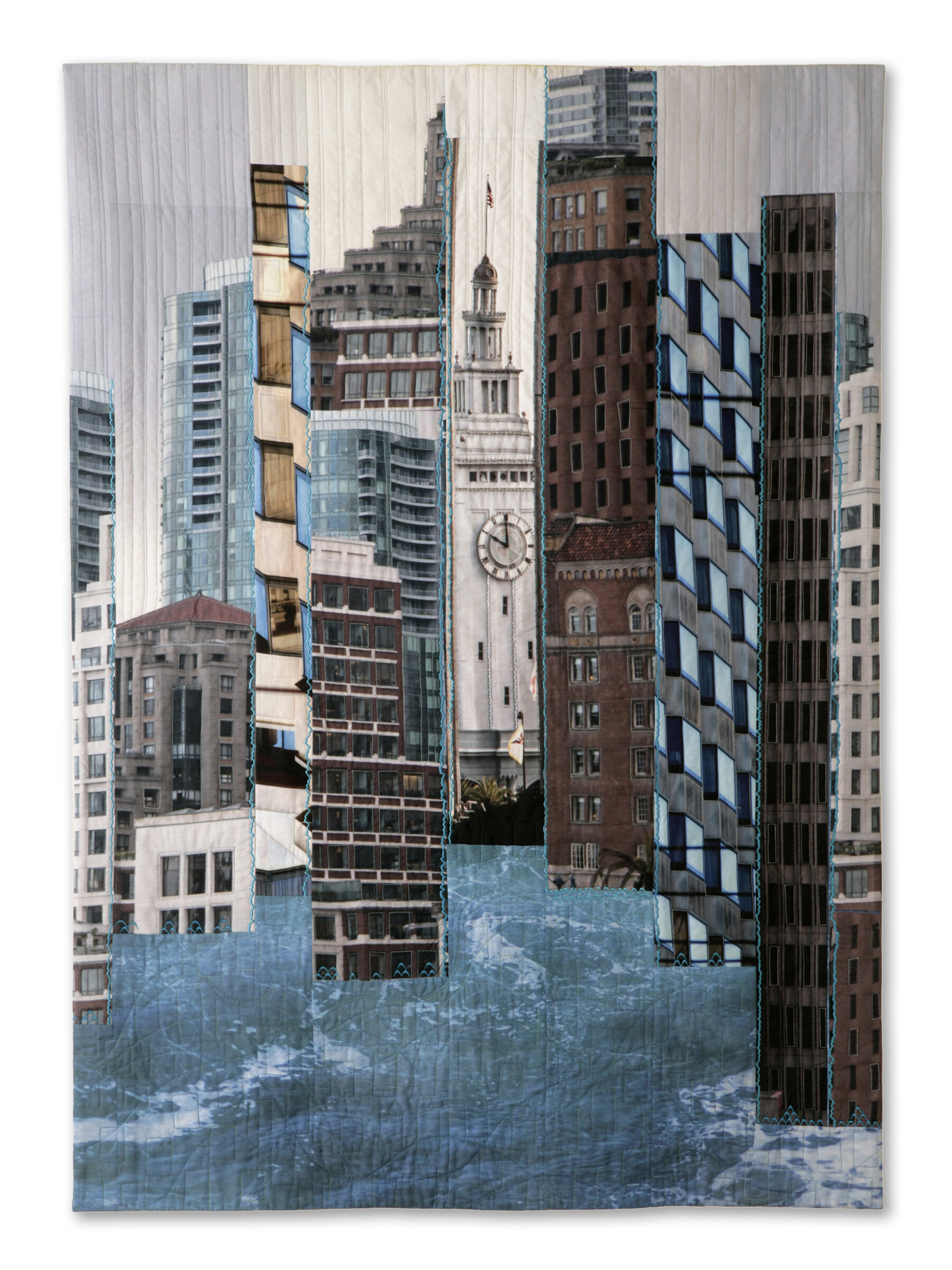
With sea level rise already remaking shorelines and cities worldwide, this quilt offers a deliberately alarmist vision of what might happen to San Francisco's iconic downtown. It deconstructs images of real buildings that hug the water's edge and reconstructs them … in different places, akilter, even partially submerged. Machine embroidery hints at an additional, ever-present threat: seismic upheaval.

Photo credit: Douglas Sandberg


Deborah Runnels

Promise of the Pinecone, 2018

Hand dyed and commercial printed cotton
46 x 32 inches

Cell Guide #: 2199

The pine cone has been an inspiration to cultures throughout history. Dionysus carried a staff with a carved pine cone symbol on its' tip. So does the papal staff of the pope. To the Celts, it was a fertility symbol and our own human pinal gland looks like a pine cone (hence the name) and is the epicenter of our enlightenment.  

There is hope that evolves naturally after the presence of fire. We can look to the pine cone as our symbol for the promise of new growth.

Purchase Promise of the Pinecone

runnels_DEBORAH_promise-of-the-pinecone_final.jpg

ryan_NANCY_water_final.jpg

Nancy Ryan

Water, 2018

Cotton fabric, acrylic paint and specialty threads were used to create this piece
25 1/2 x 36 1/2 inches

Cell Guide #: 2200

Not all trash ends up at the dumps. The great Pacific Garbage patch stretches across a swath of the North Pacific Ocean forming a nebulous, floating junk yard on the high seas.

Plastic that begin in human hands yet ends up in the ocean endangering our marine life. It is time to shift tides and we humans need to protect instead of polluting our waters.

Purchase Water


Roxanne Schwartz

Agua Caliente, 2018

Hand-dyed and commercial cottons, wool batting, poly and cotton threads
60 x 29 inches

Cell Guide #: 2201

Heat ripples through our Pacific Ocean as her currents undulate to sister oceans across the planet. Sinuous stitching lines and fluid shapes suggest streaming, bubbling movement. Color suggests both coolness and warmth, and perhaps a disturbing muddiness. A bright line breaks the flowing shapes, radiating change.  Our oceans are connected but troubled. Since 1880, ocean temperatures have been tracked; they show a warming trend, with some dips in the mid-twentieth century. But no dips have been recorded since 1985. Warmer oceans now surge through the planet, affecting sea life, food security, weather, coastal habitats throughout the world. What is our next step?

Photo credit: Dana Davis


Janet Scruggs

Plastic Chowder?, 2018

Various fabric types including cotton, recycled unknown fibre, cheesecloth, and flannel. Felt, polyester and rayon thread, and beads.
24 x 22 inches

Cell Guide #: 2202

The issue of plastics causing harm to marine life and birds in our oceans has been widely publicized. But did you know you could be ingesting micro-plastics when you enjoy that bowl of clam chowder, steamed mussels or oysters? Researchers at Simon Fraser University in British Columbia have found that many shellfish farms are polluted by micro plastics. These can come from plastic that is breaking down (fibres from clothing, carpets and other textiles), plastics used in the industry itself, or microbeads that are used in personal care products. These micro-plastics are being ingested by shellfish and then we in turn consume them in clams and other shellfish. This growing concern inspired me to create a collage reflecting the breaking down of the plastic and how microbeads are becoming part of the clam food chain.

Purchase Plastic Chowder?


Maria Shell

Break Up, 2018

Vintage, contemporary, and hand dyed fabrics, batting, thread
40 x 30 inches

Cell Guide #: 2203

Northerners have special names for the mucky weather of spring. In Alaska, we call this time of the year Break Up. Snow from the mountains begins to melt and dirt roads become creeks. Ice rots and mud rules. The change is so slow that we all grow impatient wanting the light, the sun, the dry land. I love this season. Everyone's yard looks like a junkyard. There is no snow or leaves to hid your business. You spend your days adding and subtracting layers of clothing, and the sunlight just keeps coming. It is a restless naked season I think.

Photo credit: Chris Arend

Purchase Break Up


Sue Siefkin

Blue Reverie in Peril, 2018

Acrylic paint on habotai silk; hand-dyed cotton; glass beads
41 x 31 inches

Cell Guide #: 2204

The deep, mesmerizing blues of our oceans are relentlessly threatened by the impact of global warming and thoughtless human activity.

Purchase Blue Reverie in Peril


Sigrid Simonds

Oil On The Beach, 2018

Cotton, embroidery floss, dye, wool batting and cotton thread
38 x 25 inches

Cell Guide #: 2205

While vacationing on California's central coast and walking on the beach in early mornings the patterns left on the sand by the ebbing water caught my eye. The patterns were dark lines. After a little research I discovered the dark lines are tar ground fine from natural oil leaks or manmade oil spills. This piece is my abstract version of these lines. These are the colors of the sand and oil and the red is my interpretation of warning, the oil should not be there.


Gail P. Sims

Spiraling Out of Control, 2018

Cotton, evalon, silk ribbon and King Tut thread
30 x 23 inches

Cell Guide #: 2206

California and the entire North West US and Canada have been greatly affected by horrendous fires in the last few years. Since the recent fires are more and more reaching into urban areas, the toxic pollutants will cause dangers on both land and sea.

This piece was inspired by the recent Santa Rosa, Redding and Paradise fires with smoke and air quality the like of which we have never seen before. The wind patterns pushed extremely hazardous air quality into the San Francisco bay and inland to the central valley. Although I was just an hour away, the worst quality was over three hours away. Total damage is not yet known in the most recent fire because the blessing of rain has its own issues.

Photo credit: John Sims

Purchase Spiraling Out of Control


Bonnie J. Smith

Moss Beach, 2016

Hand dyed silk & cotton fabrics; Kona Cottons, Cotton Polyester batting, cotton and polyester threads
43 x 39 inches

Cell Guide #: 2207

So many times in my life I have visited Moss Beach that is situated on the Pacific Ocean in Northern California. With each visit I make my way around the worn foot trail, walk up the incline to view this piece of nature's wonderment and I am never let down. But, lately in the last few years it is different, the waves have gotten so wild and almost mean that rock boulders have been pulled away and I cannot see that most prefect view that I used to take for granted

I fear climate change and what humans have literally dumped into the ocean has caused the Pacific Ocean to rear its head and say "no more", I will teach you a lesson my way.

Photo credit: Spring Mountain Gallery

Purchase Moss Beach


snavely_AMANDA_life-in-abstraction_final.jpg

Amanda Snavely

Life in Abstraction, 2018

Silk Organza, Cotton, Wool Interlining, Metallic thread, Silk thread, Cotton Thread, Acrylic Paint
48 x 33 inches

Cell Guide #: 2208

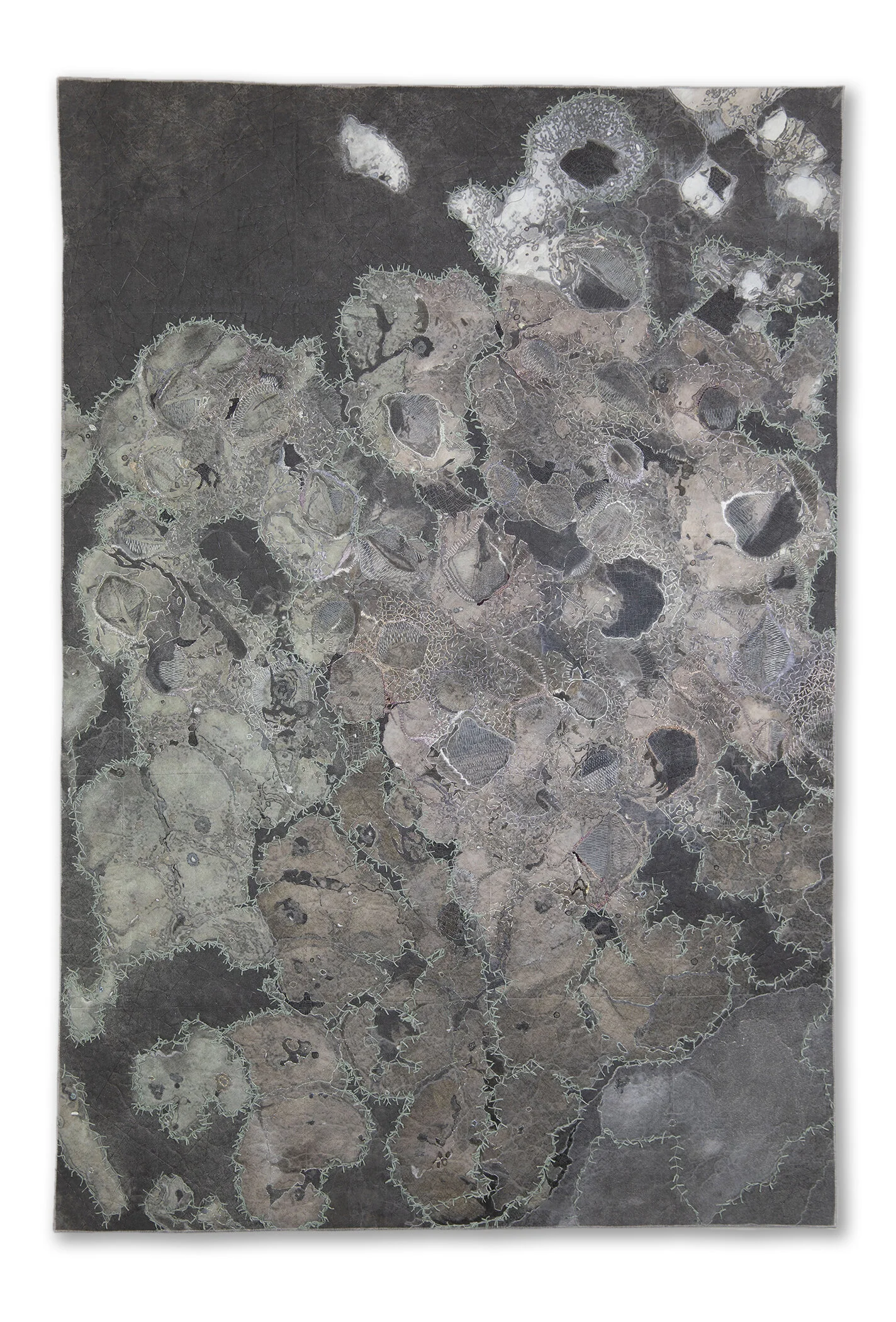
Wandering along the water's edge, one glimpses the magical world beyond the hazy veil of salt spray. Encrusted on the rocks are gooseneck and acorn barnacles, limpets, anemone, and mussels packed tightly together. These intricately patterned creatures face environmental damage-the crashing surf, the drying sun, harvesting as delicacies, and damage from humans in their quest to view this delicate ecosystem. The barnacles chatter as they move inside their shells reminding us to observe without disturbing. The organisms arrange themselves so closely together that the creatures visually merge: the eye cannot distinguish where one creature ends and the next begins. An abstract pattern emerges as the contrasting shapes compete for space in one small crevice. Delicate beauty such as this reminds us we must look with our eyes instead of our hands to preserve this natural art form.

Photo credit: Sam Garnett

Purchase Life in Abstraction


Carla Stehr

Diatom 8, 2015

Ecofelt, three layers of hand dyed cotton fabric. Fabric paint.
28 x 33 inches

Inspired by a scanning electron microscope image I photographed during my career as a Marine Biologist.

Cell Guide #: 2209

Diatoms are tiny, single-celled aquatic plants. A microscope reveals they have complex multilayered cell walls with stunning patterns. A liter of sea water may contain up to a million of these microscopic algae. Diatoms generate about 25 percent of our oxygen and absorb 30 percent of earth's carbon dioxide. Water temperature and nutrients influence diatom growth, but this complicated balance is also affected by climate change and ocean acidification. Some (including toxic species) are becoming more prevalent while other species are declining or moving to colder waters. These changes may affect the future ability of the ocean to sequester excess carbon dioxide. Fish, bird and mammal populations may also change because they depend on the diatom-based food chain. The microscopic beauty of diatoms is a reminder that even the tiniest organisms are incredibly important for life on earth.


thompson_NAN_copper-river final.jpg

Nan Thompson

Copper River Flats, 2018

Hand-dyed and commercial cottons
46 x 37 inches

Cell Guide #: 2210

This is an image of the Copper River Delta in Western Alaska where my husband works as a commercial salmon fisherman. The changes in ocean temperature have affected the Alaskan wild salmon runs. The Chinook (a/k/a King) species is the largest; commonly weighing over 30 pounds. They are born in freshwater streams and live three to eight years in the ocean before they return to their freshwater river birthplaces to spawn. Commercial fishers harvest them on the river deltas like the one in this image, where the fish leave the ocean and begin traveling upriver. Over the last thirty years, Chinooks have gotten smaller in all of the ten rivers studied by the Alaska Department of Fish and Game. That agency has restricted the allowable catch for commercial and sport fishers and people who live along the river who depend on salmon as a food source.

Photo credit: Kwangsook Schaefermeyer

Purchase Copper River Flats


B. Lynn Tubbe

Pacific Garbage Patch(work), 2018

Sun printed and hand dyed fabrics, hand dyed cheesecloth, commercial fabrics, fabric paint, cotton and polyester threads, cotton batting, upcycled items of plastic less than .5 inches deep
41 x 35 inches

Cell Guide #: 2211

This piece reflects my concern for our Pacific Ocean, and its huge "garbage patch" filled with plastic and trash. 80,000 metric tons floating between Hawaii and California, it has become an ugly monster. The debris abandoned by fishermen and the plastic trash discarded by nations bordering the Pacific are killing wildlife, polluting our ocean, and fouling our beaches. Recently a dead whale was found to have over 1000 pieces of plastic in its stomach. And videos of rescuers cutting creatures free from entangled fishing lines are wrenching to watch.

My little fish, curious about the plastic garbage around it, may suffer the same fate.

By raising our awareness of the dangers of plastic, which does not decompose, I hope solutions can be found for this menace to the Pacific Ocean and, indeed, our entire planet.

Purchase Pacific Garbage Patch(work)


Carolyn Villars

Low Tide at LaJolla, 2016

Cotton, procion dyes, Superior threads
43 x 32

Cell Guide #: 2212

A golden evening with the family at the tide pools, watching the sun sink into the Pacific. The long beach was a sheet of shimmering reflections, the children romped with bare feet on the sand, and even the teenager was present, phone in hand.


Deborah Weir

Haida Waters, 2014

Cotton
36 x 24 inches

Cell Guide #: 2213 

Water is a daily concern for those who live near the Pacific Ocean. We experience its beauty, its life-giving powers, and its fragility. We also misuse it wantonly; billions of dollars and countless human hours are spent retrieving it and cleansing it. Life and death in one mighty resource.

Haida Waters is the dance of wild salmon programmed to climb unimaginable heights just to spawn.

Purchase Haida Waters


Jean Wells

SOLVE Works!, 2019

Linen, cotton, silk
42 x 39 inches

Cell Guide #: 2214

Oregonians are blessed with the pristine beaches of the Pacific Ocean. In recent years SOLVE, a voulteneers-based organization has an annual event to clean the beaches of debris left behind by people who recreate on our coastline. This effort has positively impacted our beaches in Oregon. Manzanita is our family's favorite beach. We are pleased the clean up allows us to continue our enjoyment of the seasonal rhythmic movement of the waves as the ocean meets the shore.

Photo credit: Gary Alvis


Libby Williamson

Ripples Untended, 2018

84 used tea bags, hand-painted papers and fabrics, cotton, wool, silk, upholstery fabric, burlap, vintage linens, non-woven fabrics and acrylic paint
60 x 44 inches

Cell Guide #: 2215 

Glaciers melt, seas rise, waters warm and chaos ensues. While the absurd debate over climate change persists, consequential damage is hidden beneath the dazzling aquamarine currents, the cresting waves, and the steadfast tides.

Giant kelp forests, harboring complex and balanced ecosystems, struggle to resist the destruction. Their demise triggers a cascade of turmoil, unseen from above.

Purchase Ripples Untended

williamson_LIBBY_ripples-final.jpg

Amy Witherow

Sandpipers at Ebb Tide, 2018

Cotton cloth, thread, and batting. Tsukeniko inks
30 x 30 inches

Cell Guide #: 2216

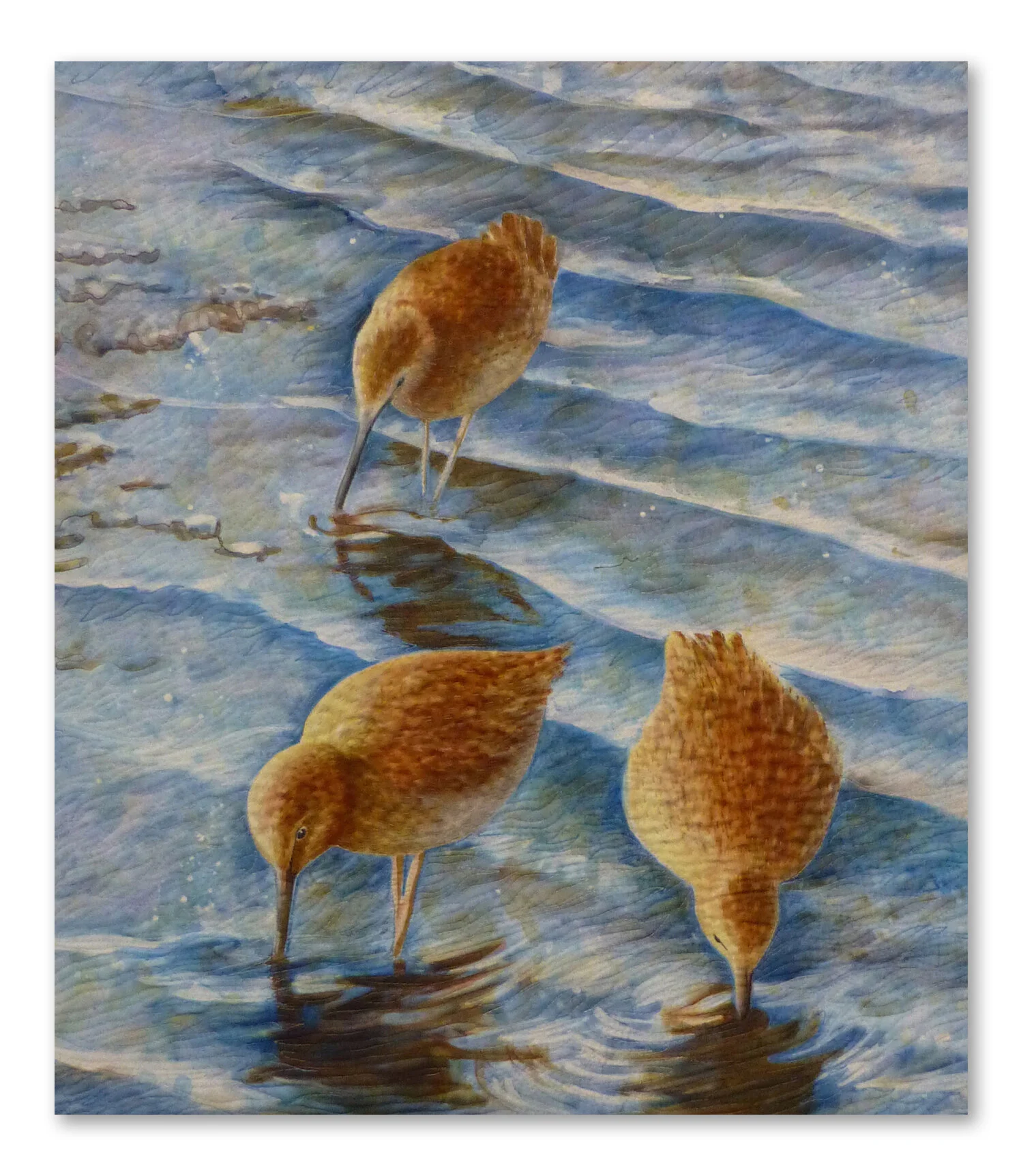
At ebb tide, sandpipers forage in a reclaimed salt pond that was once part of the Cargill Salt Ponds—originally covering 16,500 acres in San Francisco Bay. These once-stagnant industrial ponds were returned to tidal wetlands as part of a 30-year project, the South Bay Salt Pond Restoration Project. Now, with a healthy flow of water pulsing through these ponds, the area provides habitat for waterbirds and other wildlife. Outdoor enthusiasts enjoy the scenery while walking and biking on trails in an area that once was inhospitable.

Purchase Sandpipers at Ebb Tide


Ann Johnston

JUROR’S QUILT

Wave 15, 2017

Whole cloth cotton, monoprinted and hand painted with thickened dye, machine stitched

37 x 35 inches

Cell Guide #: 2217

I have spent a lot of time staring at ocean waves and wondering how to make that sensation into a quilt design, imagining the complex forces that create a wave, imagining what it feels like the color of—among other things—heat and anger. It won’t be long before the many of the changes occurring in our ocean will be irreversible.

Purchase Wave 15

IMG_5589.jpg
 

Anthropocene | Invitational Group Exhibition Curated by John Coyne

AUGUST 2020
CENTER AND SOUTH GALLERIES
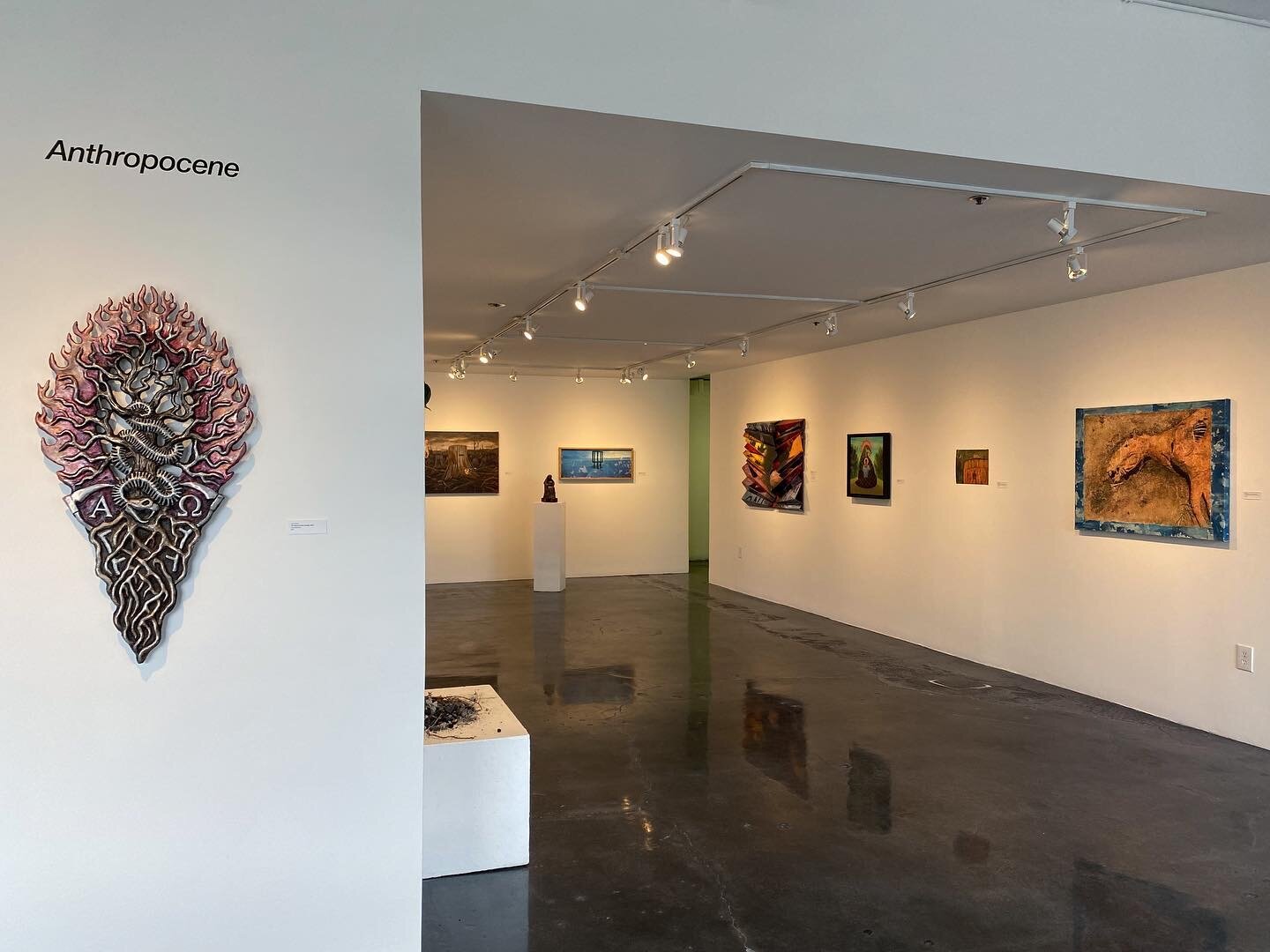
Anthropocene | Invitational group exhibition curated by John Coyne


Anthropocene: the current geological age, viewed as the period during which human activity has been the dominant influence on climate and the environment. Extreme weather, dying oceans, extinction of species and novel viruses, this show explores the ramifications of our out-sized impact on the natural world. We are all under the sway of the Anthropocene, and the artists in this exhibit offer their unique approaches and perspectives on this phenomenon.


Gallery Reopening for July

Starting Friday, July 3rd, we will be open with new gallery hours and three new showing artists. We are so excited to be opening our doors to the public once again, and have been working hard to develop the systems and resources in order to support our volunteers in this “new normal”, as well as safely welcome visitors into the space.

 
IMG_3784.jpeg
 

New Hours of Operation - Due to a reduction in our volunteer force we have limited the days the gallery will be open. We will also now be open one evening a week through July. The new gallery hours are as follows:

Wednesday 12-4 pm
Thursday 4-8 pm
Friday and Saturday 12-4 pm

Our first day open in July will be Friday, July 3rd from 12-4 pm.

The gallery is no longer able to host public events, including openings and artist talks. Instead we will continue to encourage artists to gallery sit and we will publicize this opportunity for people to visit the gallery on those days for a chance to meet the artist and learn about their work directly. In addition, we will continue to maintain our online efforts — gallery, shop, and blog posts — for those that want to continue to support the gallery and showing artists but are uncomfortable with being out in public.

Social Distancing - We will limit the number of visitors allowed in the gallery at any one time to no more than about 12 and encourage 6 ft social distancing. There will be place marks on the floor indicating 6 ft distance on all three sides of the desk in order to help volunteers maintain that safe distance from visitors.

Hand Sanitizer - There is a hand sanitizer dispenser at the door and signage will encourage its usage for anyone entering and exiting the gallery.

Masks - The wearing of masks is required in the gallery as per the Municipality of Anchorage mandate pertaining to indoor public spaces.

Cleaning and Sanitizing - Volunteers will be sanitizing touch points consistently during their shift and before they leave. In addition, there will be janitorial cleaning which involves a deeper sanitation process. In order to help maintain best sanitation practices that are easiest for our volunteers, the bathroom will be closed to the public.

Sales - In order to eliminate the need for handling credit cards and close proximity to visitors, we will funnel all sales through our online store. The gallery sitter can direct the customer to our online store to purchase with their smart phone, home computer, or (if they are comfortable doing so) the gallery computer.

Anyone exhibiting symptoms -- be they volunteers, visitors, or studio renters -- should not enter the gallery space.

Bottom line: we are going to approach this in a down-to-earth, rational way, understanding the greatest impact we can have is efforts to reduce the number of people in the gallery space at any given point in time, as well as trust in everyone’s individual responsibility and understanding of the current health risks with being in public spaces in general.


Interview with Fairbanks Artist Ethan Lauesen

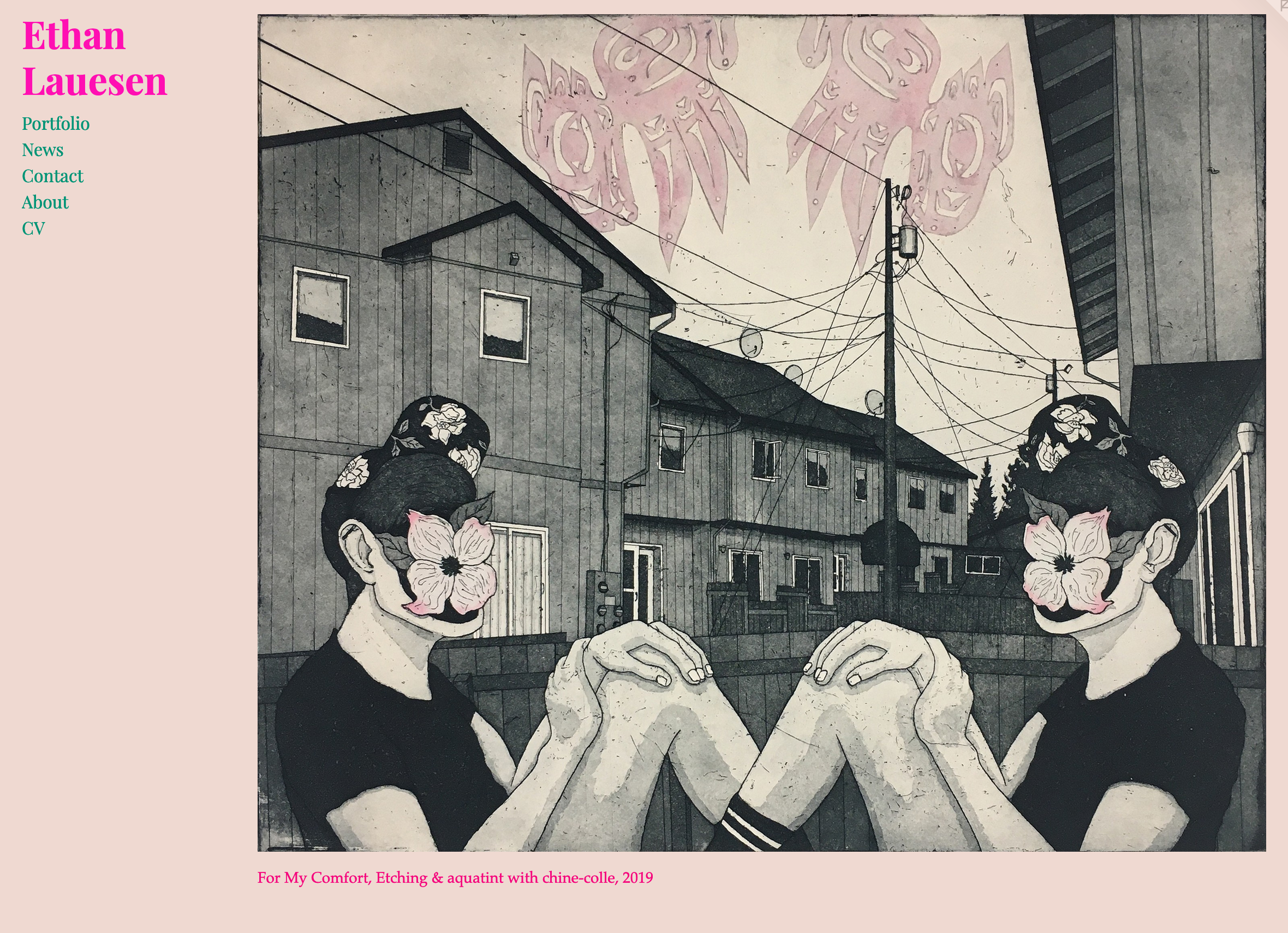
Ethan Lauesen is a visual artist based in Fairbanks, Alaska. They earned their BFA from the University of Alaska Fairbanks in 2019. The body of work they create focuses on the cultural aspects of gender and LGBTQIA+ identity and how they are perceived in communities, specifically Interior Alaska. The work they produce is more intimate as a response to cultural perceptions of themselves due to inter-sectional issues of race, gender, and sexuality and as a result the prints, paintings, and drawings created represent a personal narrative documenting cultural change.

Website: www.ethanjlauesen.com

Instagram: @siawyn_art

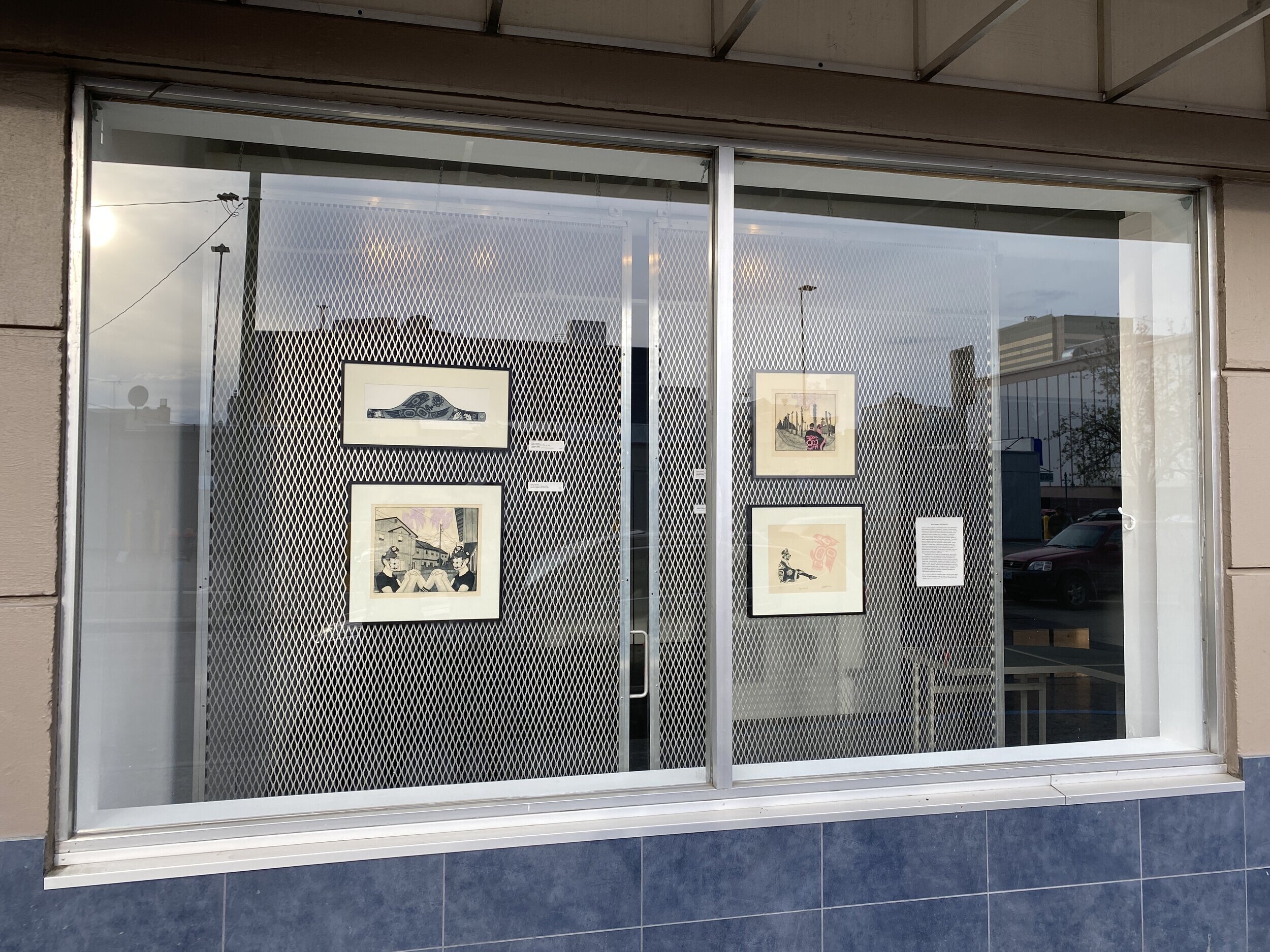
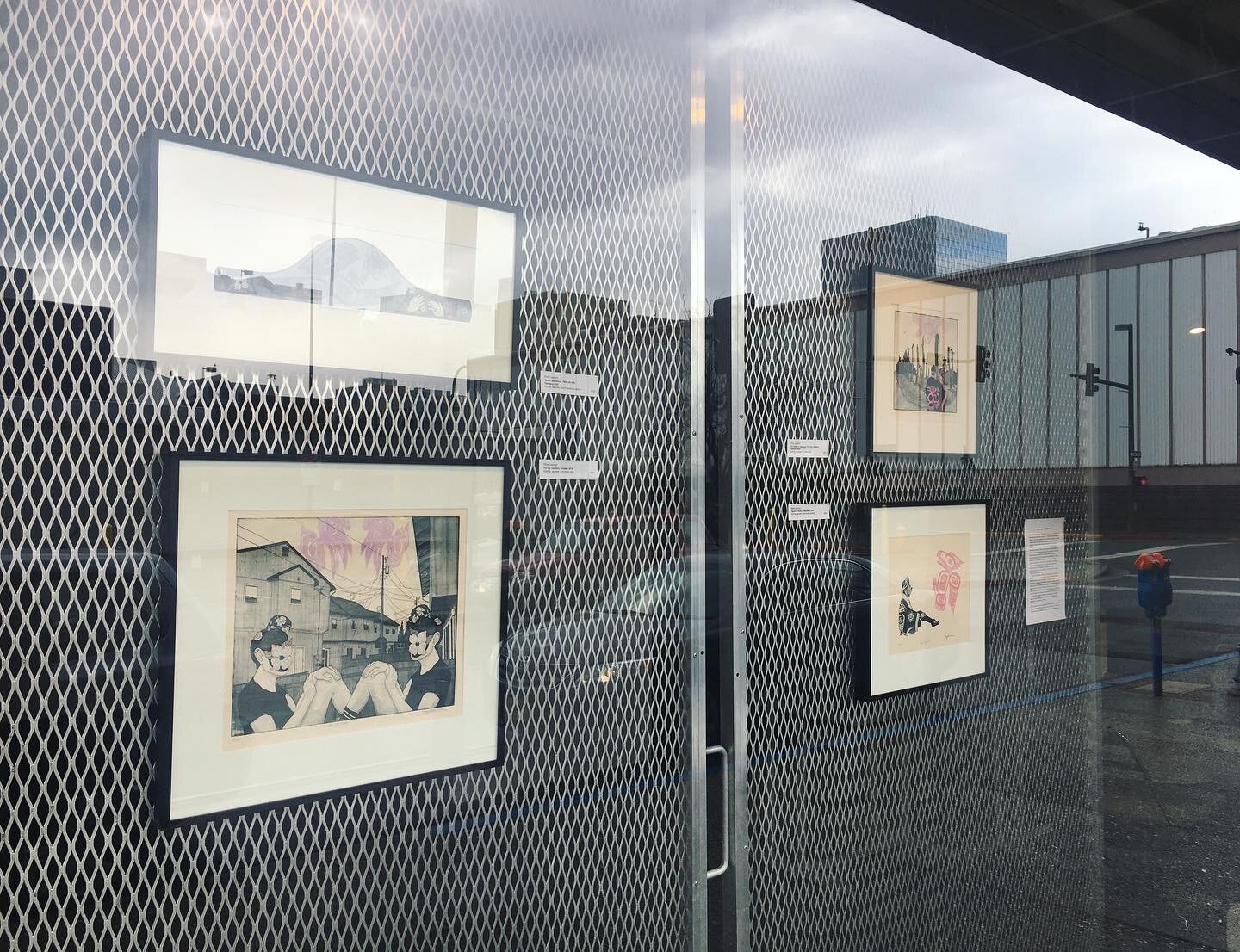
Ethan Lauesen’s exhibition For Your Comfort, originally scheduled for display at IGCA this month, was postponed due to Covid-19 and will now be presented in May 2021. As a kind of preview for next year’s exhibition, Ethan sent some new etchings down from Fairbanks for display in the IGCA windows this month. Ethan also took the time to talk with gallery manager Karinna Gomez about their art. Listen to the interview below.

Ethan Lauesen Interview May 2020
IGCA / Ethan Lauesen
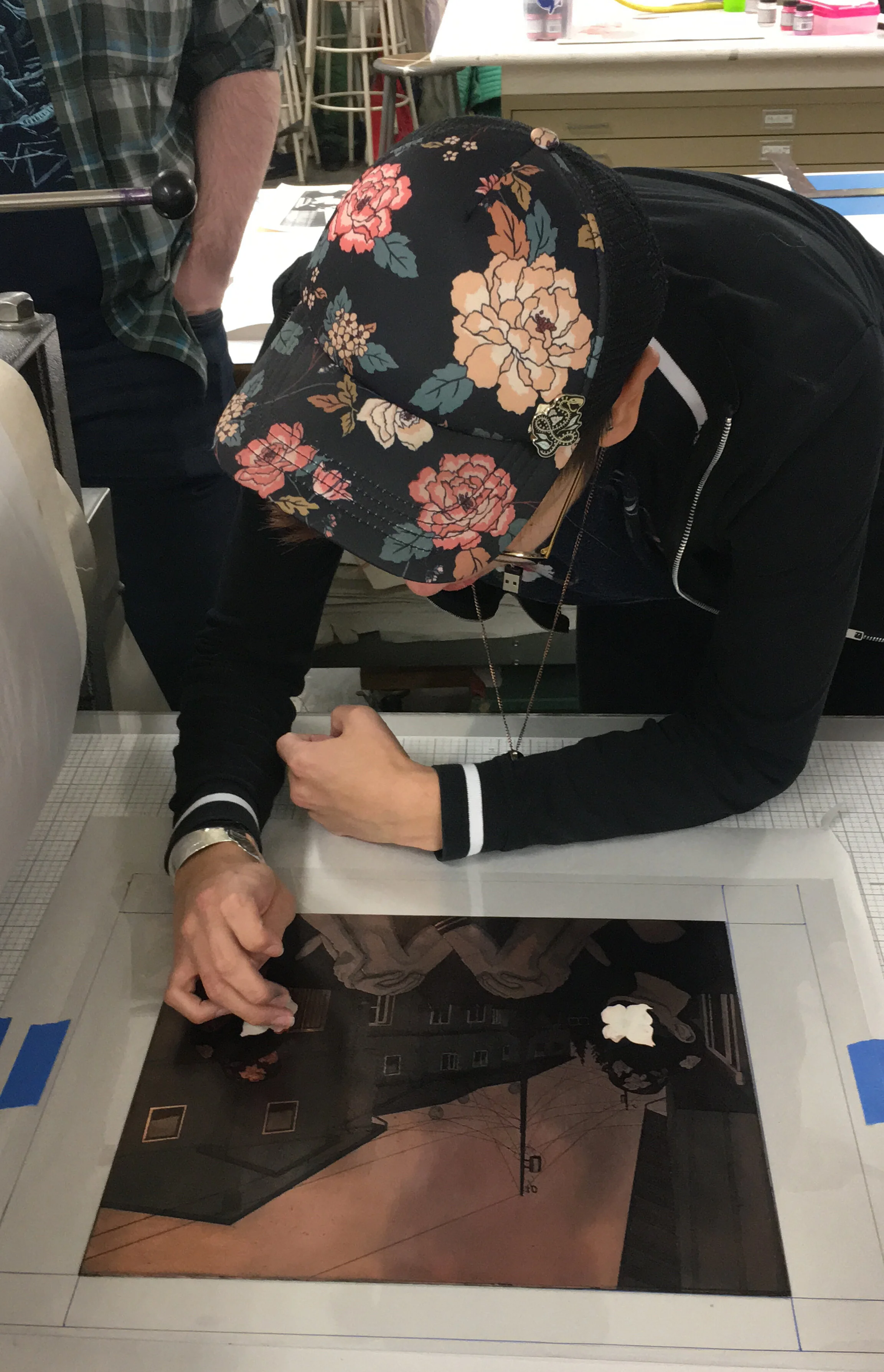
Ethan Lauesen, applying chine collé to their etching For My Comfort, in the UAF printmaking studio.

Ethan Lauesen, applying chine collé to their etching For My Comfort, in the UAF printmaking studio.

Etchings by Ethan Lauesen on display in the IGCA windows in May 2020.

Etchings by Ethan Lauesen on display in the IGCA windows in May 2020.

UAA BFA Students Window Displays and Q&As

Due to the Covid-19 pandemic, University of Alaska Anchorage BFA seniors were not able to hold their thesis exhibitions in the UAA Kimura Gallery this spring. Two of the four BFA students, Aileen Page and Kimberlyn Sheldon, have shared a preview of their work in our windows this month. In this post we are sharing a little about each of these artists along with images of their work.

To see images and information about all four BFA students’ thesis projects, go to the UAA Art Department Facebook page.


Aileen Page

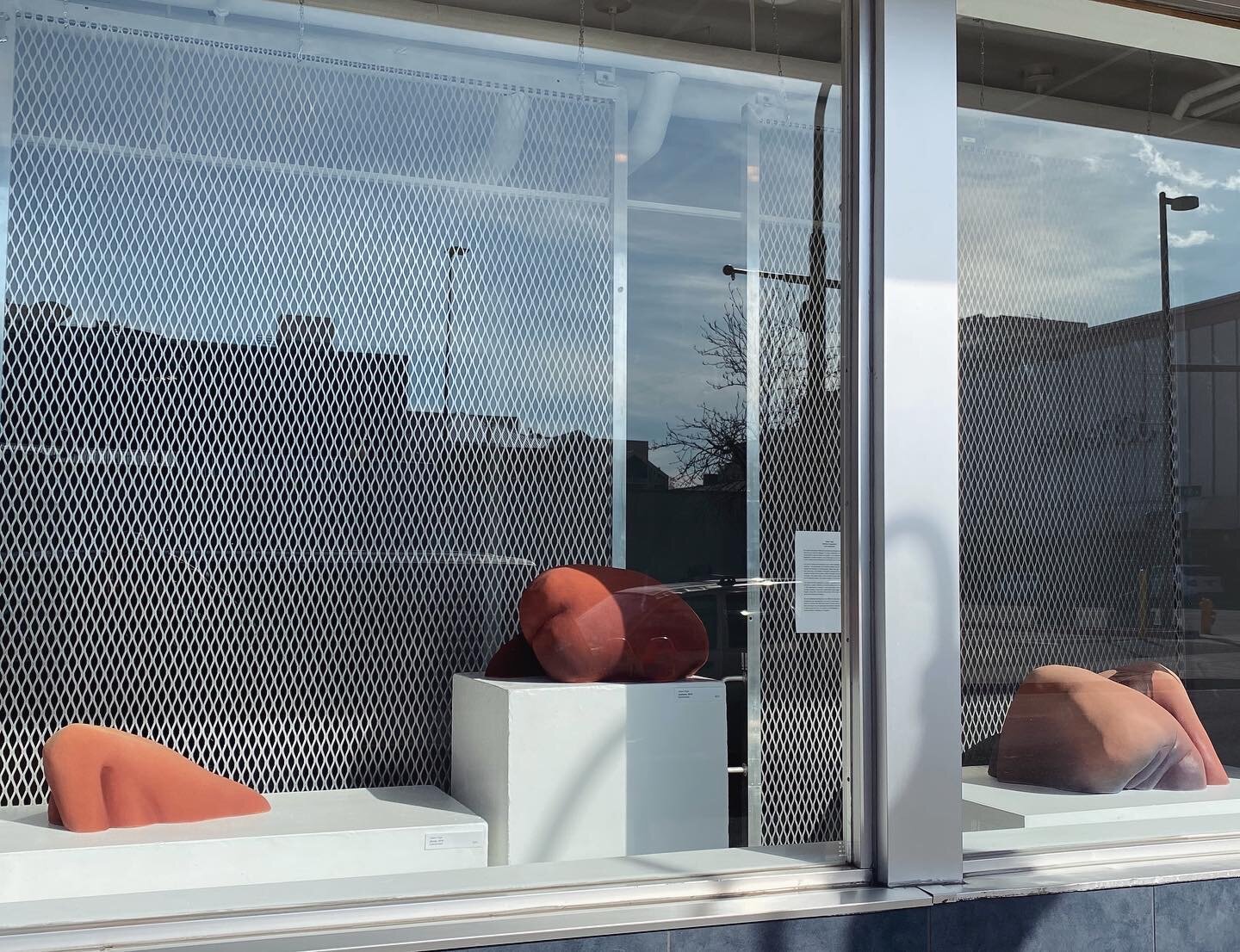
Aileen Page’s thesis work on display in the IGCA windows in downtown Anchorage (May 6-20, 2020).

Aileen Page’s thesis work on display in the IGCA windows in downtown Anchorage (May 6-20, 2020).

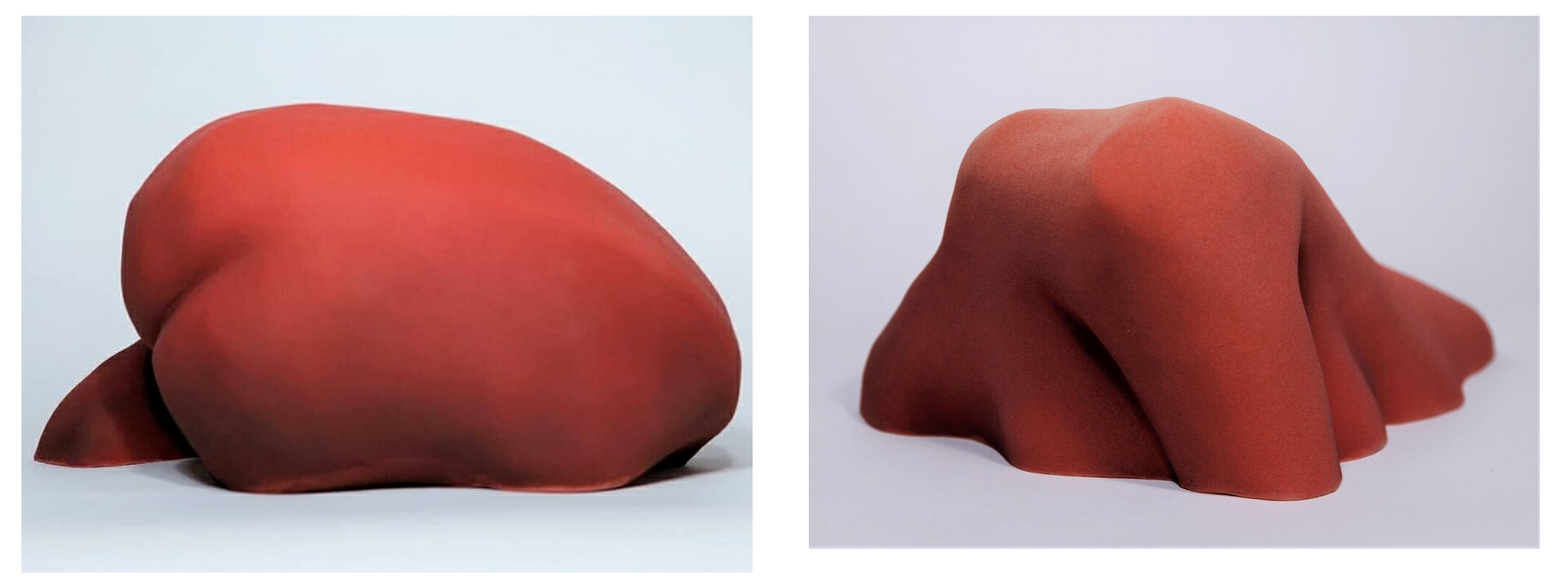
Aileen Page lives in Eagle River, Alaska. She graduated from the University of Alaska Anchorage as a Bachelor of Fine Arts Ceramic major in 2020. Her work frequently focuses on figurative subject matter that touches on ideas of vulnerability, comfort and anxiety and explores how these feelings are communicated through body language. Aileen has exhibited work locally in the Hugh McPeck Gallery, as well as in the IGCA group shows. She received the Juror’s Choice Award for the national No Big Heads juried show in 2017 and was runner up in the 2018 Student Juried Art Show. Aileen was awarded the 2018 Alaska Watercolor Society and Alaska Artist Guild Scholarship and the Undergraduate Research Grant from the Honors College at UAA. She spent the summer of 2019 as a ceramic assistant for Bruce Dehnert at Peters Valley School of Craft in New Jersey.

Can you tell us a little about your background? Where did you grow up, for instance?
My dad was in the army so I moved around a lot when I was a kid, but I have lived in Alaska for the past 15 years. I grew up learning German from my mom and English from my dad.

What led you to the BFA program at UAA?
I have always heard good things about UAA's art department. After High School I received two scholarships that for the most part covered my tuition if I stayed in state. During my first year I didn't really know what direction I wanted to go in, but after taking some art classes, and really loving them, I decided to go with what interested me most. Art was the only subject I felt passionate enough to peruse a degree in. The BFA program allowed me to take several different art studio classes, it was hard for me to decide on a discipline, but ultimately I chose ceramics as my primary focus.

Aileen Page. Aversion, 2019. Earthenware.

Aileen Page. Aversion, 2019. Earthenware.

Aileen Page. Slump, 2019. Earthenware.

Aileen Page. Slump, 2019. Earthenware.

Can you describe your BFA thesis project for us?
My thesis explores how emotions that are visibly expressed through body language. It is also about perspective and changing how one perceives these, often times intense, emotions.  

What's next now that you've graduated?
It's hard to know what's going to happen next, especially during a pandemic, but I do have my heart set on continuing to work with clay. I would like to continue to develop my skills and continue my education by doing a post bacc.

Do you have a website and/or social media pages where people can find your work online?  
Instagram: @page_aileen


Kimberlyn Sheldon

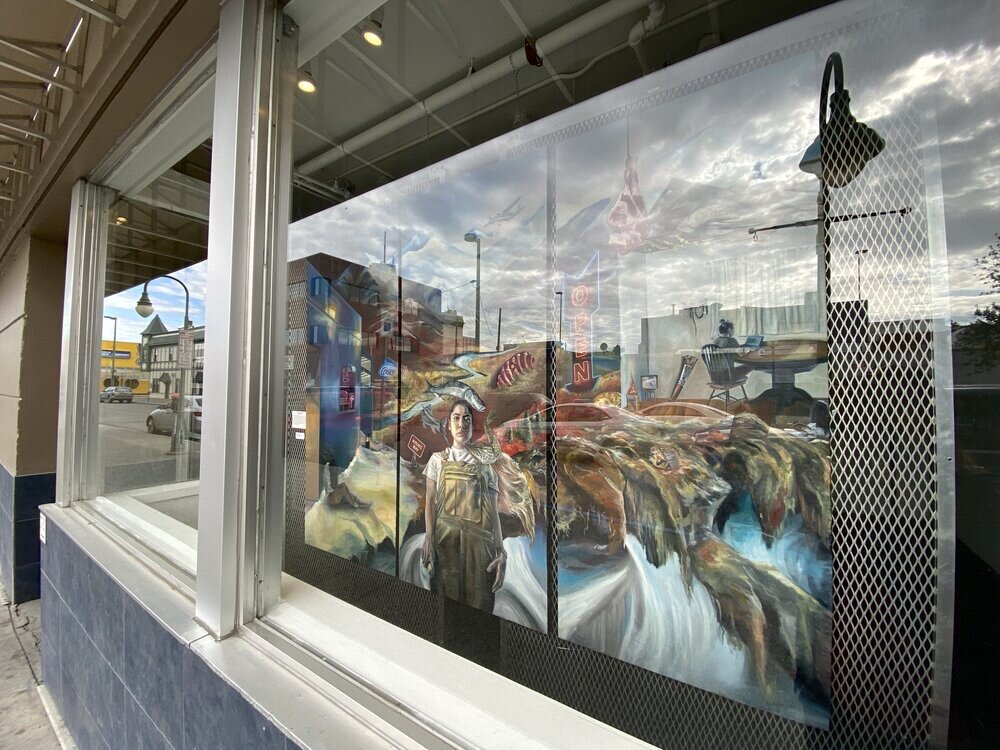
Kimberlyn’s thesis work on display in the IGCA windows (May 20-June 3, 2020).

Kimberlyn’s thesis work on display in the IGCA windows (May 20-June 3, 2020).

Kimberlyn Sheldon is an Iñupiaq painter and 2020 graduate from the University of Alaska Anchorage with a bachelor’s degree in Fine Arts. Using oil paint as a medium, Sheldon creates art which displays a mix of surrealism and realism. It’s through the act of transforming photographs into paintings that Sheldon begins to understand her subject matter on a psychological level. Throughout her exploration as an oil painter, Sheldon has sought to create a visual representation of the duality that defines her heritage and culture as a government-labeled ½ Iñupiaq woman. By representing her internal conflicts and perception of the world, Sheldon seeks to create conversation, acknowledge history, and gain a better understanding of her truth.

Can you tell us a little about your background? Where did you grow up, for instance?
I grew up in the Iñupiaq village of Noorvik which is located in the northwest region of Alaska. Growing up in Noorvik, I spent time with family and friends outdoors, played multiple sports, and learned seasonal subsistence. I came to Anchorage at the age of 18 in order to pursue a bachelor’s degree at UAA. 

What led you to the BFA program at UAA?
I’ve always loved drawing, and I began taking drawing classes at UAA with art being my minor. I took a painting class as an elective and fell in love with oil paints. I decided to make Fine Arts my major and dedicate my undergraduate years to painting.

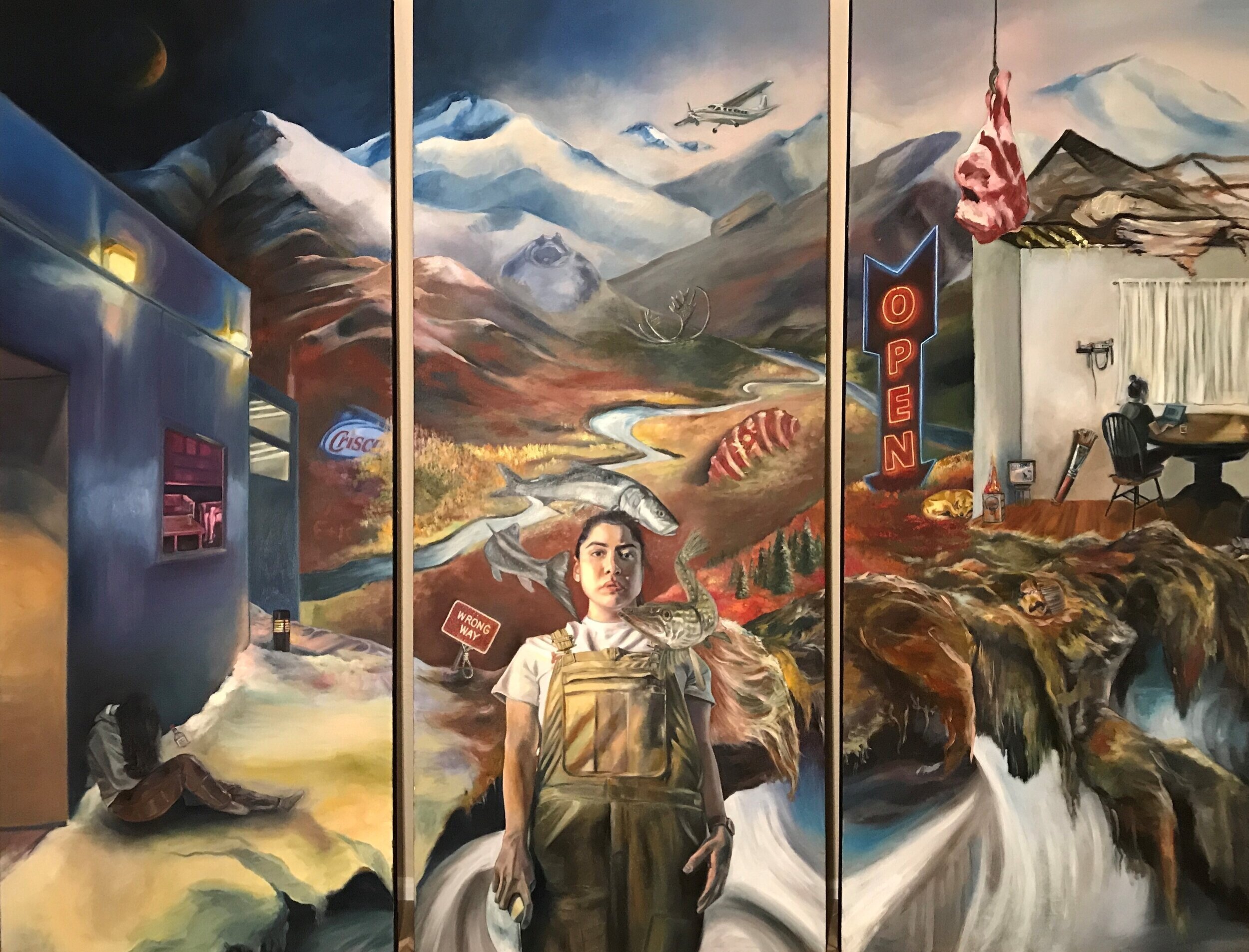
Kimberlyn Sheldon. Paaqlaktautaiññiq, 2020. Oil on canvas. 7’ x 9’.

Kimberlyn Sheldon. Paaqlaktautaiññiq, 2020. Oil on canvas. 7’ x 9’.

Can you describe your BFA thesis project for us?
My BFA thesis consists of a triptych titled Paaqlaktautaiññiq and is oil on canvas. Paaqlaktautaiññiq is an Iñupiaq cultural value which translates to “Avoidance of Conflict”. Through my thesis project I have explored what Paaqlaktautaiññiq means to me and how I’ve embodied it through my actions and perceptions of society. My BFA thesis project has been a journey of self-discovery and an effort to reflect on past choices, current social issues, and my reactions to these things. 

What's next now that you've graduated?
Graduating in 2020 has proven to be a tricky thing, but now that I’ve completed my BFA degree I plan to continue painting, learning, and growing as an artist. I’ve decided to take a break from formal education and plan to return to my home region of northwest Alaska to reconnect with family, friends, and the land.

Do you have a website and/or social media pages where people can find your work online?
You can find me on Instagram at the username: @kimberlyn.sheldon. I use this page to display current and past works and connect with people interested in art and Inupiaq culture.

Q&A With Anchorage-Area Artist Ruby Suzanna

Ruby Suzanna is one of the artists whose exhibitions had to be postponed due to Covid-19. Originally scheduled for exhibition this month, Ruby will now present new work in January 2021. In the meantime, we are sharing this wonderful Q&A with Ruby where you can learn more about the artist and her projects. Thanks to Ruby for taking the time to do this interview and for sharing so much insight into her artistic work and process. We are looking forward to Ruby’s midwinter exhibition!

PEARL, Church of Love in Spenard, Anchorage, AK, 2017, by Ruby Suzanna

PEARL, Church of Love in Spenard, Anchorage, AK, 2017, by Ruby Suzanna

Can you tell us a little about your background?

I grew up in Bird Creek Alaska just south of Anchorage. I have always felt at home here. My mother worked for the state highway department as a heavy equipment operator and my father was a carpenter throughout my childhood. My father is also a fine artist and musician, he is a celebrated pointillist and has his art in collections around the world. My mother is a gardener - always tending to our wild 3-acre lot every year producing a huge vegetable garden, and flowers in every corner of the property and around every building. My mother is also a mountain runner, a feminist, and art collector. I lived briefly in Florida for a year and a half and I also lived in Los Angeles for 2 years – but Alaska is my home and it called me back. I would say my second home is Los Angeles and I get there usually 2-3 times a year.

For those that don’t know about your art, can you give us an introduction?

My art is always changing it feels like but usually comes with a specific aesthetic that I think is recognizable as my own. At University I studied printmaking, painting, theater and dance - there wasn’t really an opportunity at that time in the art department to create the type of digital installation work I’ve been doing a lot of lately. However UAA was an incredible place to study and get my art degree - the arts professors like Kat Tomka and Garry Kaulitz encouraged me - sometimes begrudgingly - to pursue performative work and installation work as part of my class work. They offered a flexibility with me to sort of write my own degree, and investigate the type of work I was interested in and produce it as part of class work. For instance Kat Tomka encouraged me to write an undergraduate research and scholarship grant, and gave me an incomplete for her ‘Experimental Drawing’ class and allowed me to create my first large evening length performance art piece that used dance, costume design, set design, and projections the following year. This was in 2005 and there wasn’t really a word for ‘projection mapping’ yet - but that was one of the visions for that show. That was the beginning of my work as it has manifested today. I always was involved in theater and dance at UAA getting my minor in Dance. I really used the entire facility of the arts building at UAA to spring board myself into multidisciplinary work. I created 2 New Dances performances which were more very strange performance art pieces then dance pieces - I was encouraged by Brian Jeffery and the entire Dance Department to create as part of their community even when not a lot of ‘Dancing’ took place in my work. Both New Dances performances had Projections as an element. Almost all of my work includes projected light and video in some way and now as I’ve progressed my work has become almost completely projection based. 

My work is a mixture of immersive installation where the audience is invited into spaces to interact with them and performances where the audience is invited to observe spaces and performances passively. Some of my favorite works are The Velvet Room where a small space was covered completely in black velvet including table, chair, performer and various objects and the audience was invited into the room to have a visual and tactile experience, and PEARL a performance that took place at the Church Of Love in Spenard where 7 performers interacted inside of a large forced perspective box that was covered 360 degrees in projections as scenic and lighting elements. 

What inspires you to make art?

It’s always different. Usually I start with an image, a scene or some sort or technical thing I want to do and I proceed from there. Usually while I’m trying to figure out how to build a particular thing that is usually not super well thought out yet I am able to fill in the holes as I go. It can feel really unsettling to work this way. It’s like clawing in the dark at something. I collaborate a lot with very talented performers, musicians, and designers and I depend on them a lot to help me find those jumping off places. Sometimes I feel like all I do is gather up all the pieces, and means, and then I attempt to put them together. I set deadlines, and try to come up with equipment and funding and space etc. I try to bring together people I am inspired by - they - more then anything else bring the work out and into fruition.

You've had a few installations at the IGCA in the past, including Bed Chamber in 2014 and Dirty Panties in 2010. Can you tell us about these installations?

Bed Chamber, International Gallery of Contemporary Art, Anchorage, AK, 2014, by Ruby Suzanna

Bed Chamber, International Gallery of Contemporary Art, Anchorage, AK, 2014, by Ruby Suzanna

Both of these installations took place in the back gallery guest room. ‘Dirty Panties’ was an installation I created right out college - a comment on innocence, puberty and growing up. It was also a comment on feminine cleanliness, purity, shame and the idea that naturally occurring and biologically normal female occurrences like vaginal discharge and vaginal bleeding etc. was something many women and girls keep hidden and are slightly ashamed of – exp. throwing your soiled underwear away in a public bathroom, hiding your panties in the bottom of the hamper, and the old saying of ‘never go out wearing dirty underwear in case something happens and the doctors and nurses may see them if you’re hurt’ - as if that’s something to worry about in those instances. The show became a metaphor for the shame we carry with us and keep hidden - our basic humanity conflicting with our outward portrayals. The exhibition featured a curtain of dirty underwear, and dirty underwear scattered all over the floor overflowing from hampers and wash bins with their soiled crotches on full display. I gathered old underwear from my female community and altered them with blood, food coloring, yogurt, and cottage cheese to mimic typical discharge. The back wall of the gallery featured a black and white film of my niece who was about 7 or 8 at the time in a white, frilly dress swinging on the swings and also playing in the sand box with a pair of adult underwear grinding handfuls of sand and mud into the crotch of the panties. Not very many people actually entered the gallery - as to get in you had to walk through the curtain of panties - but you could still watch the film through the negative spaces in the curtain. 

‘Bedchamber’ was an installation I created while I was suffering from pretty deep depression and addiction issues. There was a time in my life where I felt like I was in bed so much I was creating a divot or impression in it. And that’s how that installation came into being. At the time I hadn’t heard of or seen Tracey Emins piece ‘My Bed’ that was created in 1998. If I had I may have not created my piece at all. The back guest room gallery is almost shaped like a hallway - long and skinny - with this piece I put the bed on the far back wall and arranged the wall hangings etc. on an angle so it felt like you were falling into the bed. I cut a hole in the bed in the shape of my body so it looked as though someone had laid in the same spot for years. I used very minimal projections to make the bed and parts of the room slightly glow. I carpeted the room and hung wallpaper. The room was scattered with trash, laundry, cigarettes, prescription bottles etc. Bedchamber was a way for me to communicate with myself about how I was living my life and a sort of plea with myself to get out of it. It took many years after that exhibition to find recovery.

Experiment 0.01, Out North Gallery, Anchorage, AK, 2019, by Ruby Suzanna

Experiment 0.01, Out North Gallery, Anchorage, AK, 2019, by Ruby Suzanna

Can you tell us about some of your recent installation projects?

I have been interested in using inflatables in combination with projections and light for quite a few years - but I hadn’t ever taken the time or opportunity to explore it. I think inflation and inflatable sculpture is a very cheap and impactful way to take up large spaces and make them interactive and interesting. One of the challenges is you need a large space to actually build them! You need a lot of floor or studio space, so I usually need flexibility to be in whatever venue I’m creating the work inside of in order to build the work. This is true for most of my recent work. The more time I can occupy the space and create the work in its final environment the more transformative, immersive, experimental and detailed I can be. These are all aspects of creating I value and strive for. But I have found that is usually pretty unrealistic for most spaces as you need to accommodate for other artists, events and space uses. 

My most recent work can best described as ‘light bubbles’ I’ve been creating giant inflatables (bubbles) and inviting small audience groups to enter into them for a short period of time. During that time I will project 360 animations on to the outside of the translucent bubble so the audience is completely enveloped in light and imagery. I’ve also been collaborating with local musicians like NRRTH and Sophia Street - they provide beautiful and unique soundscapes and songs for me to respond to and edit my 360 projections to. I’ve been calling these pieces ‘Experiments’ so that I don’t attach a lot of preciousness or importance on them while I’m making them. They truly are experiments for me - and I’ve been trying to allow myself to fail while making them so that I can hopefully find what’s possible. I truly don’t know what’s going to happen or how these pieces are going to turn out usually until the day they are finished, which is usually the day that the audience is invited to view and experience them.

Are you able to share anything about the process involved in the conception, planning and execution of your performance/installation works? 

I think I’ve already gone into this quite a bit in my previous answers but I can say that when I’m making new work it’s very temporal and ephemeral. It goes up and gets ripped down never to be recreated again. When MTS Gallery was still around they had these OPEN/CLOSE events and for those events there was usually a performative element at them. These were ‘One Time Only’ events and I really cut my teeth creating performance work for them. Bruce Farnsworth and the invitations and support I got from him to create at these events really shaped how I create work to this day.

When I’m making a new work I really ‘move in’ to whatever space I’m creating for. I usually eat lots of sushi and cookies and drink lots coffee and kombucha and pretty much spend 12-14 hours in the space every day until the work is done – which could be anywhere from a week to a month. Performers come by and we have rehearsals, designers come by and we discuss problems and solutions, and friends and colleagues come by and help me do things I can’t do by myself and the rest of the time I spend alone in the space usually staring at nothing. Because the piece usually only happens one time, and it usually lasts only fleetingly I really try to capture those moments in their very best light and there is always more to do. I never want to be at the closing and rip down of a show and feel like if I had just stayed one or two more hours and ironed the curtains or tested the mechanism etc. the show and experience for the audience could’ve been better. Nothing is ever perfect and you can never get every detail done but I always like I try as hard as I can for each show to feel like a complete and detailed experience for the audience. I want them to feel immersed in the work as completely as possible. When I’m working in this way I also try to make sure I’m getting plenty of sleep and rest. I don’t do ‘all-nighters’ or anything like that. My brain and creativity rested, watered and fed is more effective then any amount of hours spent exhausted and hungry. So the process for me has to stay balanced. I find solutions come easier that way.

The plans for my work seem to almost always have been forming in great detail sort of behind the scenes of my mind. While I’m making them I rarely feel like I have a road map but looking back I usually see the landmarks I had along the way - images I had been collecting, skills I had been researching and nurturing, objects I have been collecting etc. On almost EVERY SINGLE project, installation, performance and show I have created I have been certain at one point or multiple points that it wouldn’t come together, that I had no idea what I was doing, that I didn’t have enough time and I always considered cancelling them multiple times before opening. Bruce Farnsworth when he ran MTS Gallery talked me off the ledge multiple times. Every project has had a moment or days of pure dread where I look down the barrel and it all feels completely impossible. In fact I even thought about cancelling this exhibition I had scheduled for May feeling secret relief when Covid came along and cancelled it for me. It’s part of the process for me. I almost never know what I’m doing or how I’m going to pull it off, I never feel like I have the time, skills or resources to get the show up and done. I have learned over time to allow that fear to help drive me forward on a project - to allow for it to help me and motivate me to get to work, to ask for help, to research and experiment and make a plan. I don’t know if recommend pure fear and anxiety as a motivator for other artists and creators but it does seem to be the way I go about it. 

Experiment 0.02, Anchorage Museum, Anchorage, AK, 2019, by Ruby Suzanna

Experiment 0.02, Anchorage Museum, Anchorage, AK, 2019, by Ruby Suzanna

How do you like collaborating with musicians or other performers?

I couldn’t make the work I make without other artists and collaborators. I am completely dependent on the talents of others to bring my work to life. I always need help, I always need inspiration and I always need collaborators. That doesn’t mean I’m very good at it, or that it comes naturally or that there isn’t conflict and tension and miscommunication. That is always there. I’m not always graceful, or open, or easy to get along with - but I’m working on it. I hope I am at least getting better at it. Collaborating with local musicians is very new for me, I’ve always in the past used music that’s already been recorded or created from more mainstream artists. Musicians are fascinating and inspiring to work with and it comes with all kinds of different challenges then say collaborating with an actor, dancer, or designer. I have found that collaborating with musicians is incredibly inspiring and unique - the artistic language is very different. And music is central to the work I create - it’s the mood and it’s really the foundation and building blocks from which it all springs. 

I love collaborating with dancers and performers. I am so inspired by them. I also am very intimidated by the process even after all of these years... I’ve studied Dance and Acting and have performed a bit myself but usually the artists I work with have far surpassed me in their skill level. They are professionals, and they are also looking to me to guide them. It feels like when I am leading a rehearsal with a group of performers that I’m on stage and it’s opening night and have forgotten all of my lines! It’s terrifying! I only have these vague ideas of what I want and how we can go about getting it out and on the stage. It’s something I really want to get better at. The performers I work with though have always been very willing and eager and understanding - and we are usually able to figure it out and get into a groove of creation. I try to bring my most honest and kind self to each rehearsal - and I try to bring all of my attention to the task at hand. I’m hoping to continue to collaborate with choreographers, dancers and performers in the coming years and to support them in their craft by creating elaborate settings and worlds for them to be immersed in and guide their audiences into. 

Spanning painting, printmaking, performance art, production and costume design, you cover a range of media in your practice. How do these different ways of working influence one another?

Printmaking is where my journey began but I haven’t pulled a print in years. Prints draw you in - there is almost a mystery and alchemy about the images you create when pulling prints. It’s also counter-intuitive, everything comes out backwards and in its opposite. It’s labor intensive, time consuming, precise and repetitive. All of these qualities in printmaking have created a base from which I work - it’s kind of prepped me for the frustration, tediousness and surprise of all the other mediums I work in. Working in production, set, costume and projection design has really been something that has come out of necessity from creating my own work. Unfortunately I can never pay the craftsman, artisans, designers and performers what they deserve and sometimes I can’t pay them anything at all. I have been very lucky and I am eternally grateful to all of the people who have donated their time and energy to creating work together and with me. I have never made a profit off of any show I have ever done – or paid myself, and all grant money, ticket sales and payment I have ever received has gone into the materials and fees directly associated with the work. But because of this I’ve had to do my own costumes, my own scenic designs, etc. and I will say that doing the work yourself does help you when you’re creating your production plans, your budgets and your schedules because you are armed with more knowledge about what it takes. Having that knowledge also tends to head off conflict in the collaboration process because you have an understanding of what you are asking of people, and how realistic those asks are. It also helps to manage your own expectations and what is reasonable which gives you a clearer vision of what kind of work to expect from your collaborators and co-creators and you can adjust the overall vision and show accordingly. 

Can you tell us anything about what you have planned for your exhibition at IGCA, which was originally scheduled for this month but, due to Covid-19, has been rescheduled to January 2021?

I wish I could! I know that I will be working again with inflation, projections, soundscape and installation. I would also like to if possible throw in some performative elements. I’m currently 8.5 months pregnant and so I think this upcoming show in January will be very interesting and I will have to adjust my process of creation quite a bit as I’ll have a little one to look after while I try to create and install. This is a new journey for me and I’m excited but also nervous how this will effect my process - I’m sure the terror and certainty of not being able to finish will be even more pronounced then before! 

How do you spend your time when not working on art?

I work in television production and that can be all consuming at times. I’ve been on the production team creating the show Life Below Zero for the past 6 years. I also just purchased a home in Hiland Valley and my partner and I have been trying to get settled and moved in - the home needs major work and renovations and although I can’t say I’ve helped a ton, it is still a lot of work. I’m also as I mentioned working on creating a baby and I think that will also become an additional full time job once we get to meet them out here in the world with us. I am currently 2.5 years sober from drugs and alcohol - I mention it here because it has had a huge impact on my life and my creative energy and pursuits. It hasn’t fixed everything, and it wasn’t a magic solution to all my problems or creative struggles and roadblocks but it has given me clarity, and perspective. I still waste time and money but a lot less and on different things - and I will say that showing up for myself, showing up for others and staying true to my commitments is easier. 

How can we find you on social media and the web? 

I am terrible at maintaining an online website and presence. I need to work on it. Perhaps during this quarantine I will create my website.

I do post some of my work on Instagram @rubysuzannaprojects - feel free to follow me there and check out past projects as well.

———

See videos of Ruby’s recent work by accessing the links below:

PEARL, The Church of Love Spenard, 2017

Experiment 0.01, Out North Gallery, 2019

Experiment 0.02 Featuring NRRTH, Anchorage Museum, 2019

Apoptosis PCD (Performance as part of New Dances), University of Alaska Anchorage Main Stage, 2013